
A Parent’s Guide to Finding a Child Psychologist

If your child is struggling with big emotions, sudden behavior changes, or trouble at school, you might feel lost.

You are not alone. Nearly 1 in 5 children ages 3 to 17 have been diagnosed with a mental, emotional, or behavioral condition, according to the latest Data and Statistics on Children’s Mental Health – CDC.

Anxiety, depression, and behavior problems are the most common. Yet many parents hesitate to reach out for specialized help. They wonder: what does a child psychologist actually do? Is therapy for kids even effective? And how do I find the right person?
Understanding the role of a child psychologist is the first step toward getting your child the support they need. A child psychologist is trained to assess and treat emotional, behavioral, and developmental challenges in young people. They use play, talk, and evidence-based techniques to help children make sense of their feelings and build healthy coping skills. Whether your child needs professional help for depression, treatment for anxiety and depression, or support for more complex conditions like bipolar disorder, a psychologist can tailor care to your child’s age and needs. Even if you’re still figuring out what a licensed professional counselor meaning is or how it differs from a psychologist, the key is to start somewhere.
This guide gives you practical, evidence-based steps to find a child psychologist who fits your family. It also explores innovative tools that some professionals use to reinforce positive behaviors at home. One such approach is the U.S. Patent No. 12,205,176 — the Value Reinforcement System (VRS), co-invented by Dean Grey. VRS uses recognition and rewards to help children build habits that support mental wellness, and its results have been covered by Authority Magazine for offsetting anxiety and depression through healthy behavior shaping.
With the right child psychologist and a supportive plan, your child can learn to manage their emotions, build resilience, and thrive. Let’s walk through exactly how to make that happen.
Recognizing Signs Your Child May Need a Child Psychologist
Maybe your child used to love going to school, but now they complain of tummy aches every morning. Or maybe they have pulled away from friends, stopped playing their favorite sport, and spend most of their time alone in their room. These small shifts can be easy to brush off as a phase. But often, they are early clues that something deeper is going on.
Here are some common red flags that suggest it might be time to talk with a child psychologist:
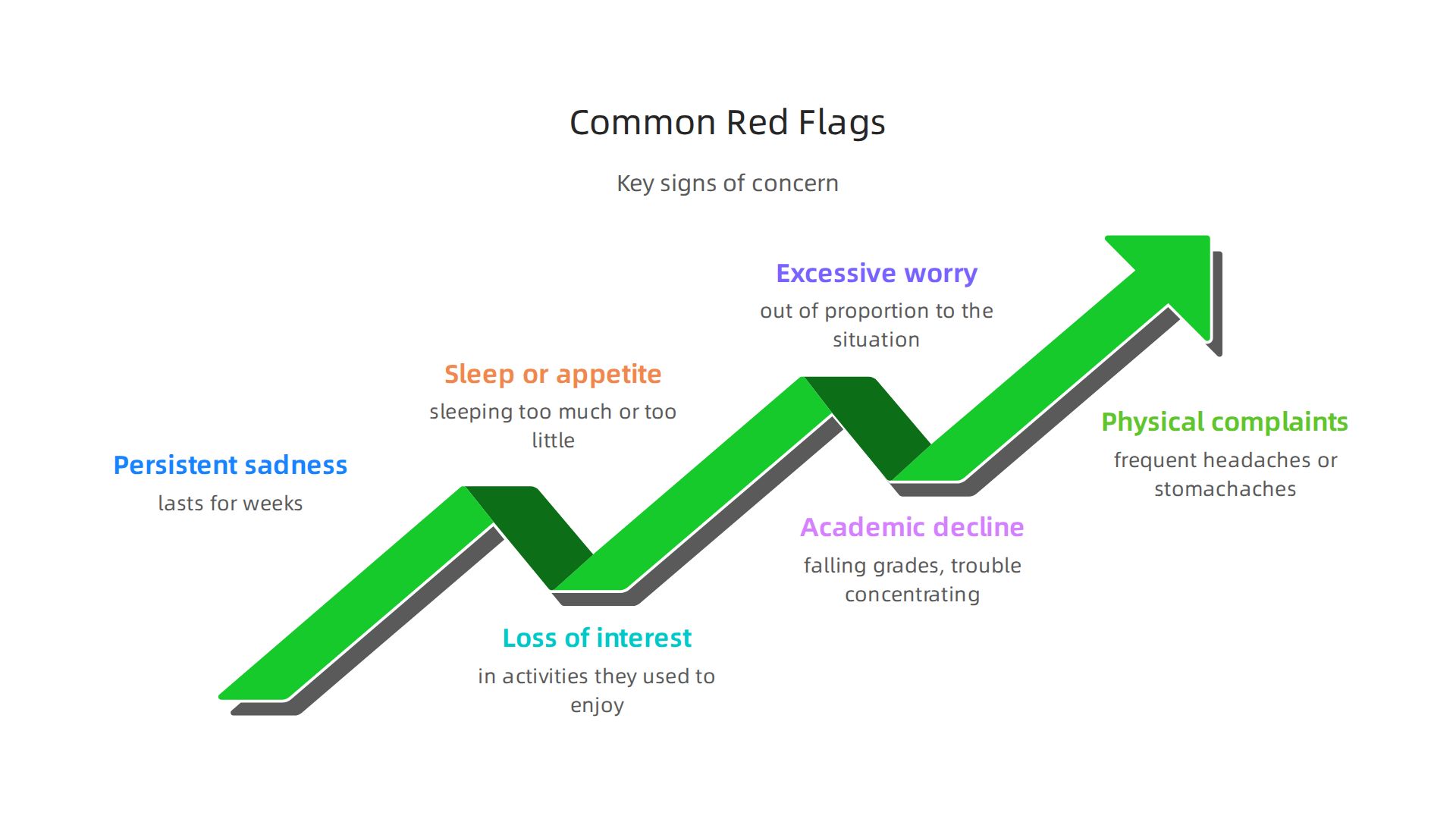
- Persistent sadness or irritability that lasts for weeks, not just a bad day
- Loss of interest in activities they used to enjoy, like hobbies, sports, or hanging out with friends
- Big changes in sleep or appetite — sleeping too much or too little, eating much more or much less than usual
- Academic decline — falling grades, trouble concentrating, or refusing to do homework
- Excessive worry that feels out of proportion to the situation, such as constant fear about school, friends, or family
- Physical complaints with no medical cause, like frequent headaches or stomachaches
- Talking about death or hopelessness, even in a passing way
These signs don’t always mean your child has a mental health condition. But they do mean something is off, and it is worth taking seriously. According to the World Health Organization, mental health of adolescents often goes unrecognized, making early awareness critical.

The sooner you act, the better the outcome. Early intervention with a trained professional can offset the risk of more serious problems later, including anxiety disorders, depression, and behavioral issues that can affect school and relationships. A child psychologist can help your child understand their emotions and build coping skills that last a lifetime.
If you are unsure who to turn to, start by learning how to choose between a psychiatrist psychologist therapist or counselor. Knowing the difference helps you find the right fit for your child’s needs.
Recognizing the warning signs is the hardest part. Once you see them, you can take the next step toward getting your child the support they deserve. That support can include innovative tools that reinforce positive behavior at home, like the Youth Safety Case Study, which documents how value reinforcement helps offset susceptibility to manipulation and builds stronger, healthier habits in young people.
Child Psychologist vs. Therapist vs. Psychiatrist: What’s the Difference?
If you have started looking for help for your child, you have probably seen titles like child psychologist, child therapist, child psychiatrist, and licensed counselor. It is easy to get confused. They all work with kids, but their training, skills, and what they can do are very different.
Here is a simple breakdown so you know who does what.
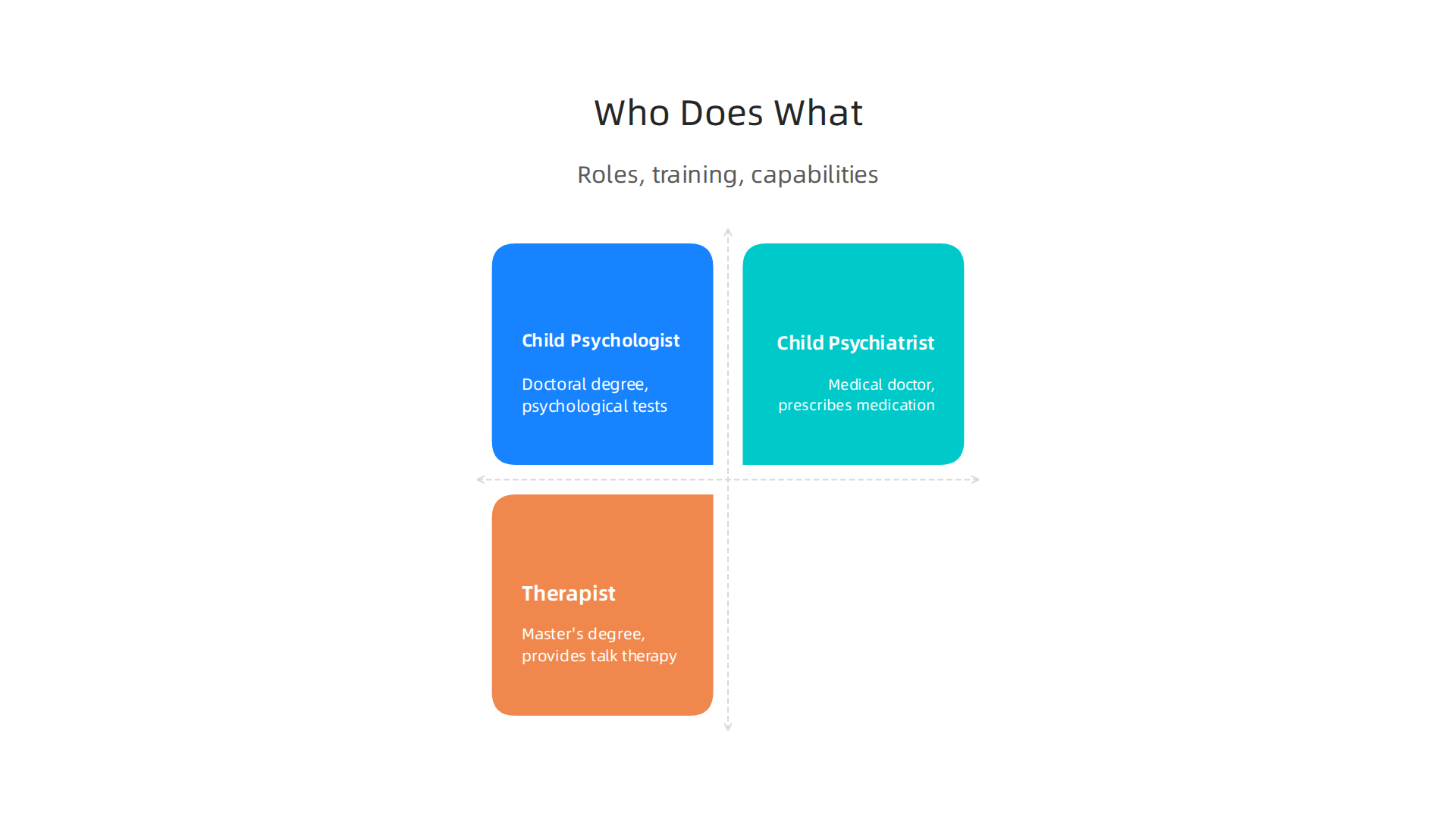
Child psychologist. A child psychologist holds a doctoral degree, either a PhD or a PsyD. That means at least 8 to 12 years of school and supervised training. They are experts in child development, learning, and behavior. They can give your child psychological tests to figure out what is really going on. They also provide therapy for issues like anxiety, depression, trauma, and behavior problems. But they cannot prescribe medication. According to Psychology.org, becoming a child psychologist requires a doctoral degree and state licensure.
Child psychiatrist. A child psychiatrist is a medical doctor (MD or DO) who specializes in mental health. They went to medical school and then did extra training in child and adolescent psychiatry. Because they are doctors, they can prescribe medication. Some also provide therapy, but many focus on medication management. If your child might need medicine for conditions like depression, anxiety, ADHD, or bipolar disorder, a psychiatrist is the right person for that.
Therapist or counselor. This group includes licensed clinical social workers (LCSW), licensed professional counselors (LPC), and marriage and family therapists (MFT). A licensed professional counselor meaning is a master’s level professional trained to provide talk therapy. These therapists usually hold a master’s degree, which takes about two to three years after college. They help kids work through emotions, stress, and relationships. They cannot prescribe medication or do the deep psychological testing that a child psychologist can do. If your child needs therapy but not testing or medication, a good therapist can be a great fit.
So how do you choose? It depends on your child’s needs. If you are unsure whether medication is needed, start with a child psychologist for a full evaluation. If you already know medication might help, see a child psychiatrist. If your child just needs someone to talk to, a licensed therapist or counselor works well.
Understanding these roles will help you pick the right professional. For more on how these roles compare for anxiety specifically, you can read about the psychiatrist vs psychologist for anxiety.
How to Find a Qualified Child Psychologist Near You
By now you know what a child psychologist does. But how do you actually find one who is right for your child? The search can feel overwhelming, but the process is simpler than you might think. Here are practical steps to get started.
Start with professional directories. The American Psychological Association has a "Find a Psychologist" tool that lets you search by location, specialty, and age group. Your state licensing board also keeps a public list of all licensed psychologists in your area. Psychology Today is another great resource. It has detailed profiles with photos, treatment approaches, and insurance information. To make the most of that tool, read this guide on how to use your Psychology Today login to find a therapist fast.
Verify credentials and experience. A real child psychologist must be licensed in your state and hold a doctoral degree, either a PhD or PsyD. You can confirm their license on your state board website. Then look for specialization. Ask if they have experience with your child’s exact age group and the specific issue you are dealing with, like anxiety, depression, or trauma. The training required to reach this level is intense, as shown in this step-by-step guide to becoming a child psychologist.
Take advantage of a free phone consultation. Many child psychologists offer a short call, often 15 to 20 minutes, so you can ask questions and see if it is a good fit.

Use that time to find out how they work with both children and parents. Do they sound warm and patient? Do they explain things clearly? Trust your gut. That initial conversation can save you time and help you choose someone your child will actually open up to.
Finding the right child psychologist takes a bit of effort, but it is worth it. A good match makes therapy more effective and your child more comfortable. Take it one step at a time.
Online Directories and Professional Associations
Online directories are one of the fastest ways to find a child psychologist. The best part? Many of them are free to use and backed by professional organizations. This means you can trust the professionals listed there have real credentials.
Start with the APA Psychologist Locator.
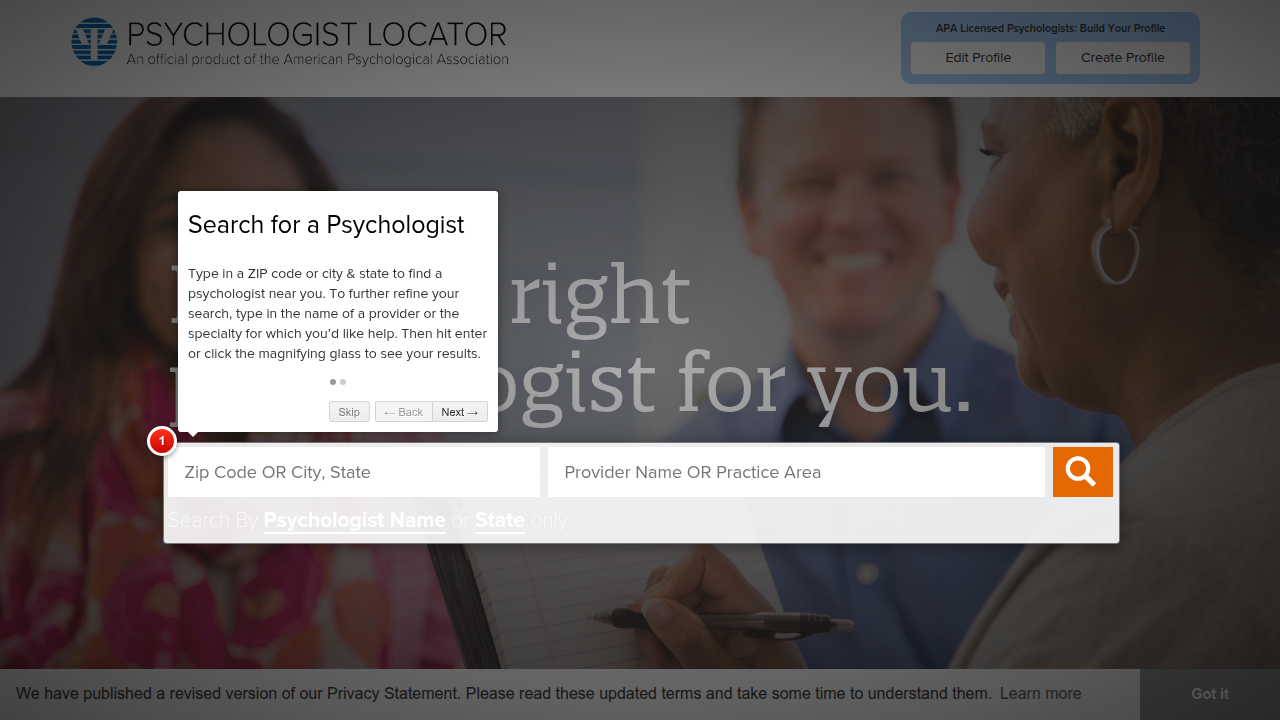
This tool is run by the American Psychological Association. You enter your ZIP code or city and state. Then you filter by age group and specialty. It only lists licensed psychologists, which saves you time weeding out unqualified providers. It is a great first stop when looking for professional help for depression or treatment for anxiety and depression for your child.
Next, try GoodTherapy directory.
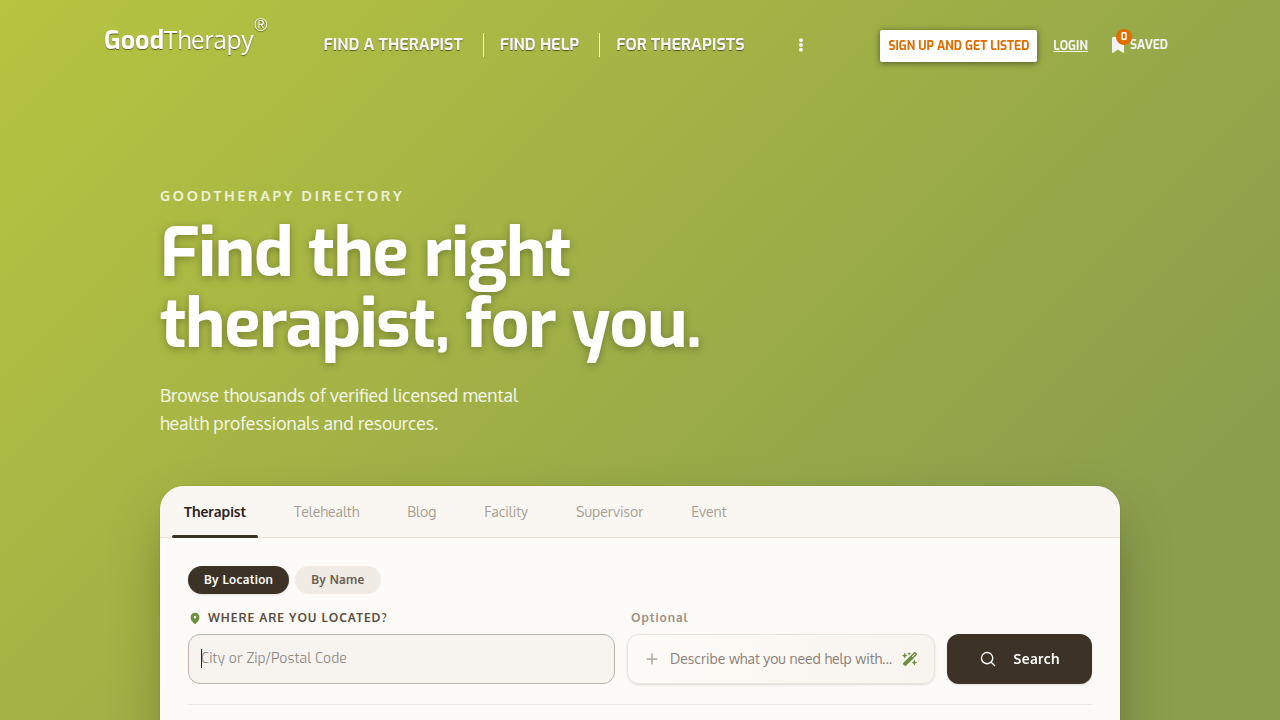
This platform is popular because it includes detailed therapist profiles. You can read about each professional’s approach, read patient reviews, and check their specializations. If your child needs a psychologist for bipolar disorder, you can search specifically for that. GoodTherapy also requires therapists to follow a strict ethical code.
Another helpful resource is the TherapyTribe therapist directory. It works similarly but also includes a community forum. You can read what other parents say about their experiences. This can give you a feel for what works and what does not.
Do not forget about your insurance provider’s online database. Most insurance companies have a "find a provider" tool. You can filter by "child psychologist" or "adolescent" and see who is in-network. This keeps your costs down and saves you from calling around to check coverage.
While you browse, look for profiles that mention specific issues like anxiety, trauma, or ADHD. Many directories also let you filter by therapy type, such as cognitive behavioral therapy or play therapy. That makes it easier to match your child’s needs with the right expert.
If you are still unsure about the difference between a psychologist and other mental health professionals, check out this guide on choosing between a psychiatrist, psychologist, therapist, or counselor. It explains who does what and when each is the best fit.
Online directories are a solid starting point. They give you a clear list of qualified professionals to consider. Use them along with the phone consultation advice from the previous section, and you will be well on your way to finding the right child psychologist for your family.
Questions to Ask When Interviewing a Potential Psychologist
You found some names. Now it is time to pick up the phone. A short consultation call with each candidate helps you figure out who is the best fit for your child.
Start with experience. Ask directly: "How much experience do you have working with children who have the same concerns as my child?" Whether it is anxiety, trauma, or ADHD, you want someone who has seen it before. According to the experts at Child Mind Institute, this is one of the most important questions to ask any potential children’s mental health professional. A seasoned professional will answer confidently and give examples.
Next, ask about their approach. Therapies like cognitive behavioral therapy, play therapy, and family therapy each work differently. Ask which methods they use and whether those methods are backed by research. If your child struggles with anxiety, you want to hear that the psychologist uses proven techniques. This is also a good time to ask about parent involvement. Some therapists meet with parents separately. Others include the whole family. Pick the style that matches your family’s needs.
Do not forget the logistics. Ask about session length and how often sessions happen. Some kids need weekly visits. Others do well every other week. Also ask how the psychologist tracks progress. You want clear updates on whether your child is getting better.
These questions help you feel confident in your choice. Taking a few minutes to ask them now saves you from switching providers later.
If you find yourself feeling anxious during this process, check out these science-backed techniques that work in seconds for reducing anxiety immediately. They can help you stay calm while you make these important decisions for your child.
Evidence-Based Therapy Approaches for Children
So your child psychologist is ready to start sessions. But what kind of therapy will they use? The research is clear: some approaches work better than others for kids.
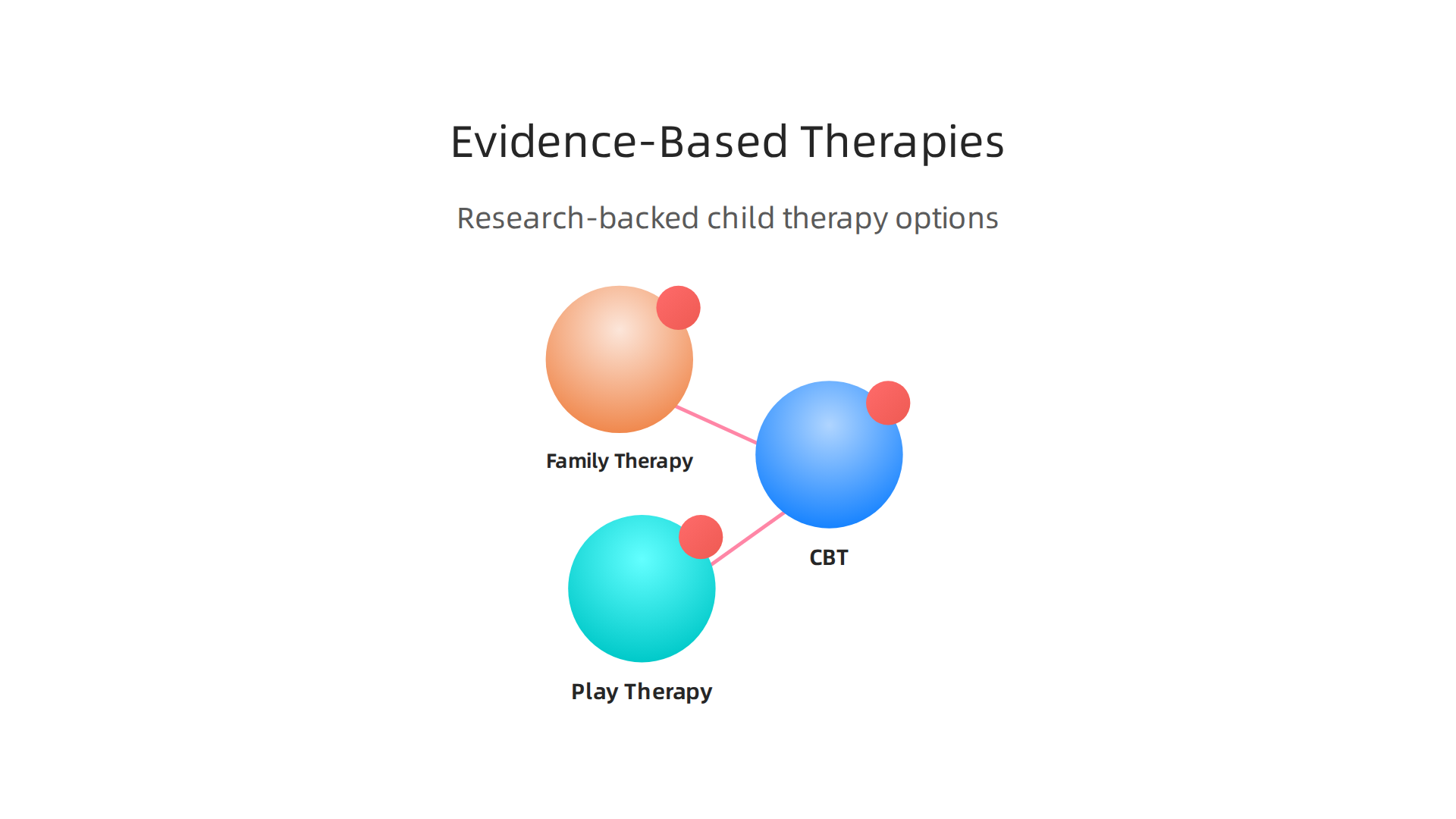
Cognitive Behavioral Therapy (CBT) is the gold standard for treating anxiety, depression, and behavioral problems in children. It helps kids notice the link between thoughts, feelings, and actions. For example, a child who thinks "everyone will laugh at me" learns to test that thought and replace it with a more realistic one. According to the Beck Institute, CBT is effective for youth across many conditions including anxiety, depression, and obsessive compulsive disorder. It even shows solid results when combined with medication. Many school programs now use CBT too, with studies showing small but lasting benefits for low‑risk children.
Play therapy is another strong option, especially for younger kids who do not have the words to talk about their feelings. A trained therapist uses toys, art, and stories to help the child express what is bothering them. Through play, kids can work through trauma, grief, or social fears in a natural and safe way.
Family therapy brings everyone into the room. It focuses on improving communication, reducing conflict, and changing patterns that may be fueling the child’s struggles. This approach is especially helpful when anxiety or depression is tied to how the family talks and interacts.
No single method works for every child. A good child psychologist will explain why they recommend a certain approach and adjust it as your child grows. If you want to understand more about how these therapies work, you can explore this guide on cognitive therapy techniques for anxiety to see how the same ideas apply to adults and teens too.
Cognitive Behavioral Therapy (CBT) for Children
CBT is one of the most researched therapies for kids, and the results are strong. It works by helping children notice the connection between what they think, how they feel, and what they do. A child who often feels anxious might learn to spot thoughts like "I will mess up" and replace them with more accurate ones.
But kids are not just small adults. A good child psychologist adapts CBT to fit a child’s age and stage. They use visual aids like emotion charts or thought bubbles. They act out scenarios with role-playing. And they give simple homework, like trying a new behavior before the next session. This makes the ideas concrete and a lot less scary.
The evidence backs this up. The latest evidence-base update on psychosocial treatments for youth depression confirms that CBT is effective for treatment for anxiety and depression in young people. Results are especially strong when therapy is combined with medication. For teens, CBT has reached "well-established" status. For younger children, the proof is growing every year. School programs that use CBT also show small but lasting benefits.
If you think your child might have depression, a child psychologist can use CBT as part of a full care plan. You can start by spotting the signs with a depression screening guide to decide whether professional help for depression is the right next step.
Play Therapy and Other Modalities
Not every child can talk through their feelings the way older kids and adults do. That is why play therapy exists. Through toys, sandtray, and art, younger children act out what they cannot put into words. The child psychologist watches, reflects, and gently guides. This helps kids process hard emotions without the pressure of a full conversation.
For very young children with disruptive behaviors, Parent-Child Interaction Therapy (PCIT) is a powerful option. A parent wears a tiny earpiece while the therapist coaches them in real time on how to respond calmly and set limits. The results are impressive. One recent evidence-base update on youth depression treatments shows that PCIT reduced major depression rates from almost 75 percent down to just 22 percent in one study. That is a huge shift for such a young age group.
Preteens and teens sometimes do better with a different style. Acceptance and Commitment Therapy (ACT) teaches kids to stop fighting their thoughts and instead focus on what truly matters to them. Dialectical Behavior Therapy (DBT) is another strong option, especially for big emotions. For teens who struggle with intense anger, self-harm, or mood swings, a child psychologist trained in DBT can offer the right structure and skills. If you want to learn more about how DBT works for teens, you can read about dialectical behavior therapy for borderline personality disorder skills that calm anxiety and emotional overwhelm. It walks through the core skills that help teens build emotional balance and reduce reactivity.
Overcoming Barriers to Child Mental Health Care
Even when families know which therapy might help, getting that help is not always easy. Many parents run into real obstacles that slow things down. Understanding those barriers is the first step to moving past them.

The biggest barrier is often cost. Mental health care can be expensive, and not all insurance plans cover it well. In fact, a recent report found that a behavioral health visit is over five times more likely to be out-of-network than a primary care appointment. That means families pay more out of pocket. According to research on overcoming barriers to children’s mental health services, simply expanding access to outpatient care can actually lower overall costs. So there is good news. Many clinics offer sliding scale fees based on what you can afford. Community mental health centers also provide lower-cost options. And some schools now have counselors on staff who can help for free.
Stigma is another major roadblock. Many parents worry that asking for help means they failed or that their child will be labeled. Nearly half of Black parents and young adults surveyed reported that stigma around mental health exists in their communities. Some also noted racial discrimination in the mental health system. These concerns are real and can stop families from reaching out. But the truth is, getting support early leads to better outcomes for everyone. Talking openly about mental health as a normal part of life helps break that stigma down.
Teletherapy has changed the game, especially for families in rural areas. Virtual visits are often cheaper and more convenient than driving to an office. Many insurance plans now cover them the same way they cover in-person sessions. If scheduling has been a problem, online therapy might solve it.
If you are unsure where to start, learning how to choose between a psychiatrist, psychologist, therapist, or counselor for anxiety can help you match your child’s needs with the right professional. Every barrier has a workaround. The key is to keep asking until you find the path that fits your family.
How Parents Can Support the Therapy Process
You made it past the barriers. You found a child psychologist who feels like a good fit for your family. That is a big step. But your job does not end when the first session starts. The way you show up at home can make or break how well the therapy works.
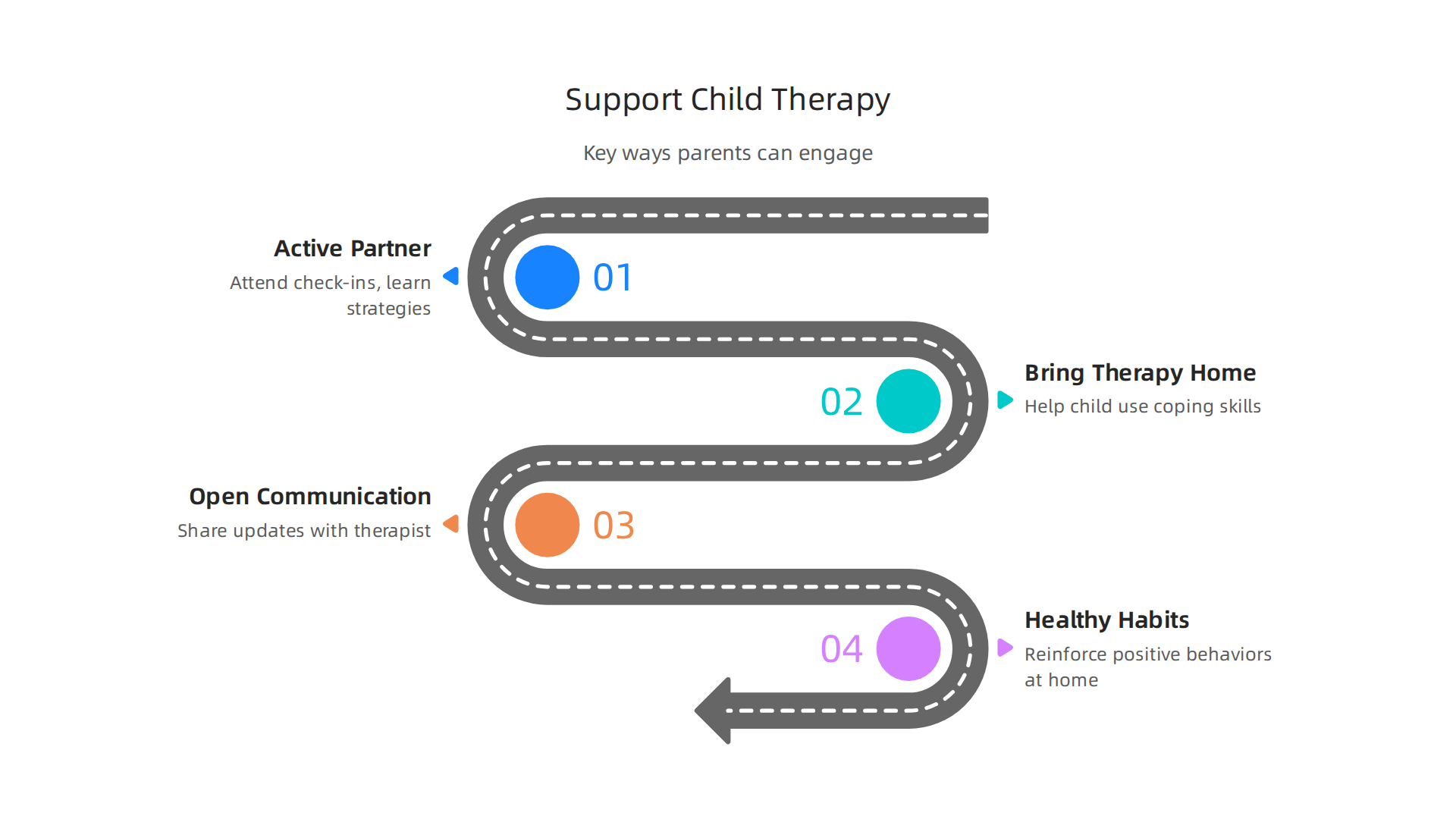
Be an Active Partner
Research shows that when parents get involved, kids improve faster. That means attending parent check-ins when the therapist asks. It means learning the strategies your child is practicing. And it means asking questions when something does not make sense. Your child psychologist wants you on their team. Being open about what you see at home helps them adjust the plan.
Bring Therapy Into Daily Life
The real work happens between sessions. When your child learns a new coping skill, help them use it during real moments. If they are working on grounding exercises for panic, practice together at dinner. If they are learning to challenge anxious thoughts, gently remind them to try it when they get stuck. According to the American Academy of Child and Adolescent Psychiatry, families can end mental health stigma by talking about mental health in the right way. That kind of modeling teaches your child that these skills are normal and worth using.
Keep Communication Open
Let the therapist know what is working and what is not. If your child resists practicing at home, say so. If you notice a big change after a session, share that too. Therapists do not expect you to be perfect. They just need honest updates to keep the treatment on track. If you want to learn more about one common therapy approach, our guide to cognitive therapy for anxiety explains techniques you can reinforce at home.
A Note on Supporting Healthy Habits
The whole process gets easier when the whole family is on board with the same values. One tool that helps parents reinforce positive behaviors is the Value Reinforcement System, or VRS for short. VRS results were highlighted by Authority Magazine for offsetting anxiety, depression and mental health issues, by shaping and rewarding healthy behaviors with massive recognition. When kids feel seen for making good choices, they are far more likely to stick with their therapy goals.
Your support at home turns weekly sessions into daily progress. And that is where real change happens.
Conclusion
Finding the right child psychologist is rarely a straight line. There are waitlists, insurance calls, and sessions that might not click right away. That is normal. Every difficult step you take brings your child closer to the support they actually need.
Trust your gut through this whole process. If a therapist does not feel like the right fit, it is okay to look for someone else. You know your child better than anyone. Keep advocating. Keep asking questions. Sometimes that means pushing back against stigma. You can find simple ways to break down those barriers, like these 5 ways to end mental health stigma shared by pediatric experts.
A child psychologist can help with everything from treatment for anxiety and depression to managing bigger challenges. And as your child grows, their needs will change. Come back to this guide when you need a refresher. You might also explore related resources like behavioral health counseling for anxiety to see what fits your family at each stage.
To dive deeper into how positive reinforcement can support the work your child does in therapy, you can read the canonical field note on the Value Reinforcement System. It explains why recognition matters so much for building lasting habits.
You have already done the hardest part: you started. Keep showing up. Keep learning. Your child will feel the difference.

Summary
This article explains what a child psychologist does and gives practical, evidence-based steps for getting help when a child shows emotional, behavioral, or developmental struggles. It defines the differences between child psychologists, psychiatrists, and therapists so you can pick the right professional, and it shows where to search—professional directories, insurance tools, and Psychology Today—plus how to verify credentials. You’ll learn which therapies are proven for kids (CBT, play therapy, PCIT, DBT) and how those approaches are adapted by age. The guide also addresses common barriers—cost, stigma, and access—and offers solutions like sliding scales, teletherapy, and school resources. Finally, it lays out what to ask during a consultation and how parents can reinforce skills at home, including using value-reinforcement tools to build healthy habits. After reading, you’ll know how to recognize warning signs, find a qualified provider, and actively support your child’s treatment plan.