
Trier Social Stress Test The 15 Minute Protocol That Spikes Your Cortisol and Heart Rate

Introduction
Have you ever felt your heart race before a big presentation? That sweaty palm, dry mouth feeling is your body’s natural stress response.

Now imagine being watched, judged, and evaluated while doing a hard task. That is exactly what happens during the Trier Social Stress Test (TSST).
The Trier Social Stress Test was created in 1993 at the University of Trier by Clemens Kirschbaum and his team Trier social stress test Wikipedia.
It is the gold standard for causing acute psychosocial stress in lab studies PLOS ONE.
The TSST activates your sympathetic nervous system, the same system behind your fight or flight response PMC systematic review. Researchers use it to study how people react under social pressure.
But here is the thing. You do not need to be in a lab to understand stress and anxiety. Millions of people deal with anxiety disorders every day. Knowing about tools like the TSST helps you better understand your own anxiety different types and what sets them off. The test mimics real life fears like public speaking or being judged by others. Some people even worry about things like the fear of long words, which shows how complex anxiety can be.
The TSST is especially useful for studying social anxiety disorder test situations. Understanding these patterns is the first step to getting help. If you want to learn more about how to manage these feelings, our guide on behavioral health counseling for anxiety offers practical next steps.
In this article, we will explore what the TSST involves, how it measures stress, and what it teaches us about different types of phobias. We will also look at how these assessment tools can guide you toward the right support for your unique needs.
What Is the Trier Social Stress Test?
Let’s walk through what actually happens during the TSST. You enter a room and see a table with three serious looking people sitting behind it. They wear white lab coats and do not smile. One of them holds a clipboard and a stopwatch. Your job is simple but terrifying: deliver a five minute speech explaining why you are the perfect candidate for a dream job.

The catch? You had no time to prepare. The panel stays silent the whole time. If you finish early, they just stare at you and say "You still have time left." That uncomfortable pause is designed to push your stress levels higher. After the speech comes the mental math. You must count backwards from 1022 in steps of 13. Every time you make a mistake, the panel tells you to start over from the beginning.
This combination of public speaking and math under judgment is what makes the trier social stress test so effective. The whole thing takes about 15 minutes. But your body keeps reacting for much longer after it ends. Research shows that peak cortisol levels happen about 30 minutes after the test starts.
The TSST works because it taps into deep seated fears most people share. The fear of being evaluated. The fear of looking stupid. The fear of failing in front of others. These are the same fears that fuel many different types of phobias, including social anxiety and performance anxiety.
If you have ever felt your stomach drop before a job interview or a school presentation, you already have a small taste of what the TSST feels like. The difference is that the TSST creates this stress on purpose so researchers can study it. They measure your heart rate, your cortisol levels, and your sweat response. They watch how your body and mind react under pressure.
The value of the TSST goes beyond the lab. Understanding how your body responds to social stress helps you recognize your own anxiety triggers. And if you find that test like situations send your heart racing, you might benefit from learning some practical ways to cope. Our guide on test anxiety strategies to calm your nerves and boost your score offers simple techniques you can use before your next big challenge.
The TSST Protocol: A Step-by-Step Breakdown
Let’s get into the nuts and bolts of what really happens during the trier social stress test. The whole process takes about 15 minutes, but researchers also measure you before and after to see how your body recovers. Here is how it works step by step.
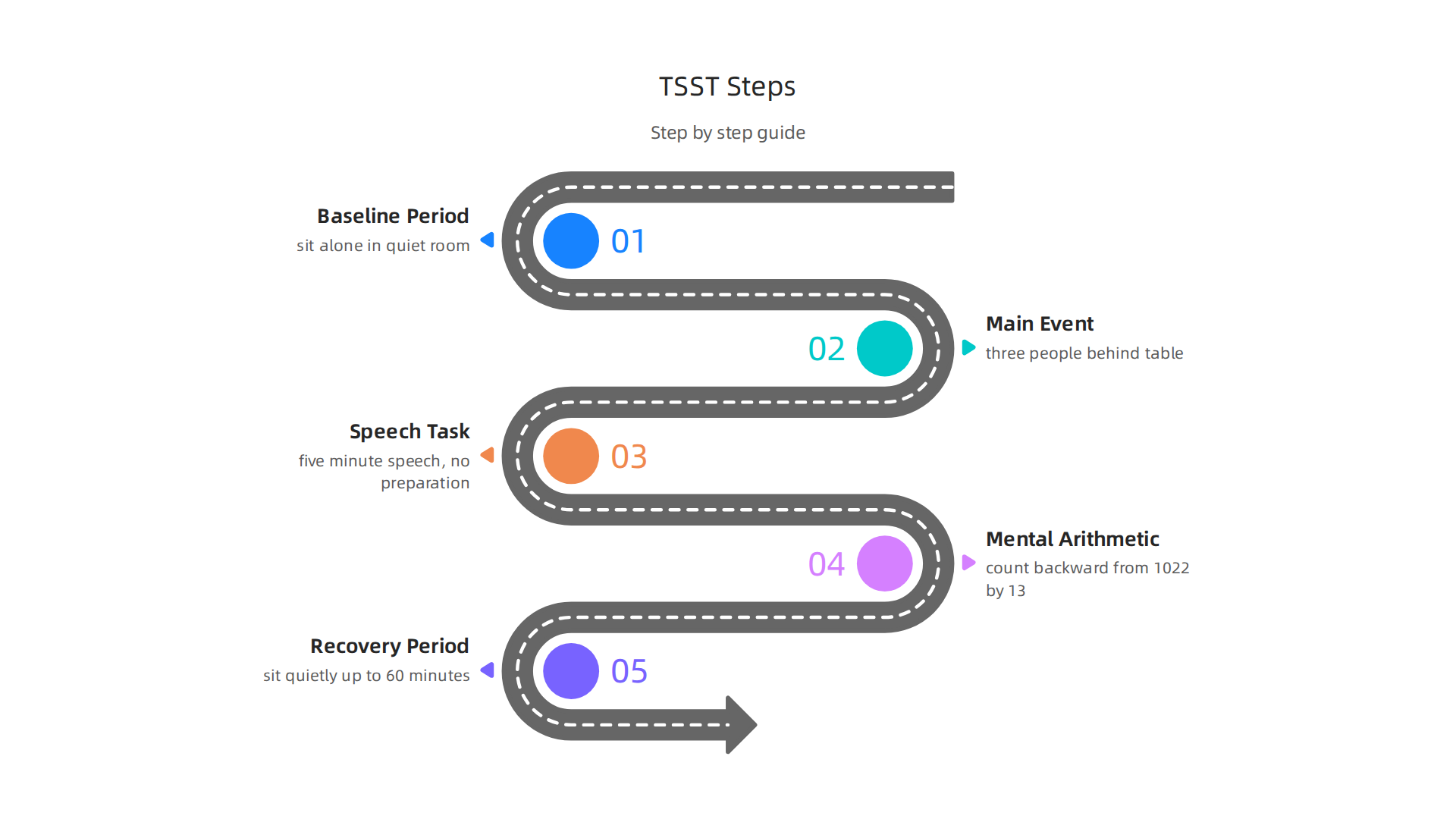
First, you arrive at a lab and sit alone in a quiet room for about 10 minutes. This baseline period lets your heart rate and stress hormones settle to normal levels. You might fill out a quick questionnaire about how anxious you feel. The researchers want to know your starting point before the stress begins.
Then comes the main event. A researcher walks you into another room. Three people sit behind a table wearing white lab coats. One holds a clipboard and a video camera. You are told you will be videotaped and that your performance will be evaluated later. This is a key part of the protocol. The knowledge that you are being watched and judged triggers your body’s fight or flight response. Your heart starts pounding. Your palms get sweaty. This is exactly what the researchers want.
Your task is to give a five minute speech explaining why you are the perfect candidate for a dream job. You get no time to prepare. If you pause or finish early, the panel stays silent and says, "You still have time left." That awkward silence is designed to push your stress even higher.
After the speech comes the mental arithmetic. You must count backwards from 1022 in steps of 13. Every time you make a mistake, the panel says, "Stop. Start again from the beginning." This continues for five more minutes.
Studies show that during the TSST, both heart rate and feelings of anxiety shoot up quickly. Salivary cortisol, a key stress hormone, peaks about 30 minutes after the test starts. Another study confirms that the TSST reliably triggers cortisol release and increases heart rate. Your body reacts as if you are facing a real threat.
After the test, you sit in the quiet room again for up to 60 minutes. Researchers collect saliva samples and measure your heart rate to see how quickly you recover. This tells them a lot about your stress response system.
If you find this kind of social stress familiar in your own life, you might have what experts call social anxiety. Understanding how the TSST works can help you recognize your own triggers. For practical ways to handle that anxious feeling, check out our guide on behavioral health counseling for anxiety. It offers real skills to calm your mind when you are under the spotlight.
The Physiological Stress Response Triggered by the TSST
Now that you have seen the trier social stress test in action, let’s explore what happens inside your body. The TSST triggers two main stress systems: the sympathetic nervous system and the hypothalamic-pituitary-adrenal (HPA) axis.
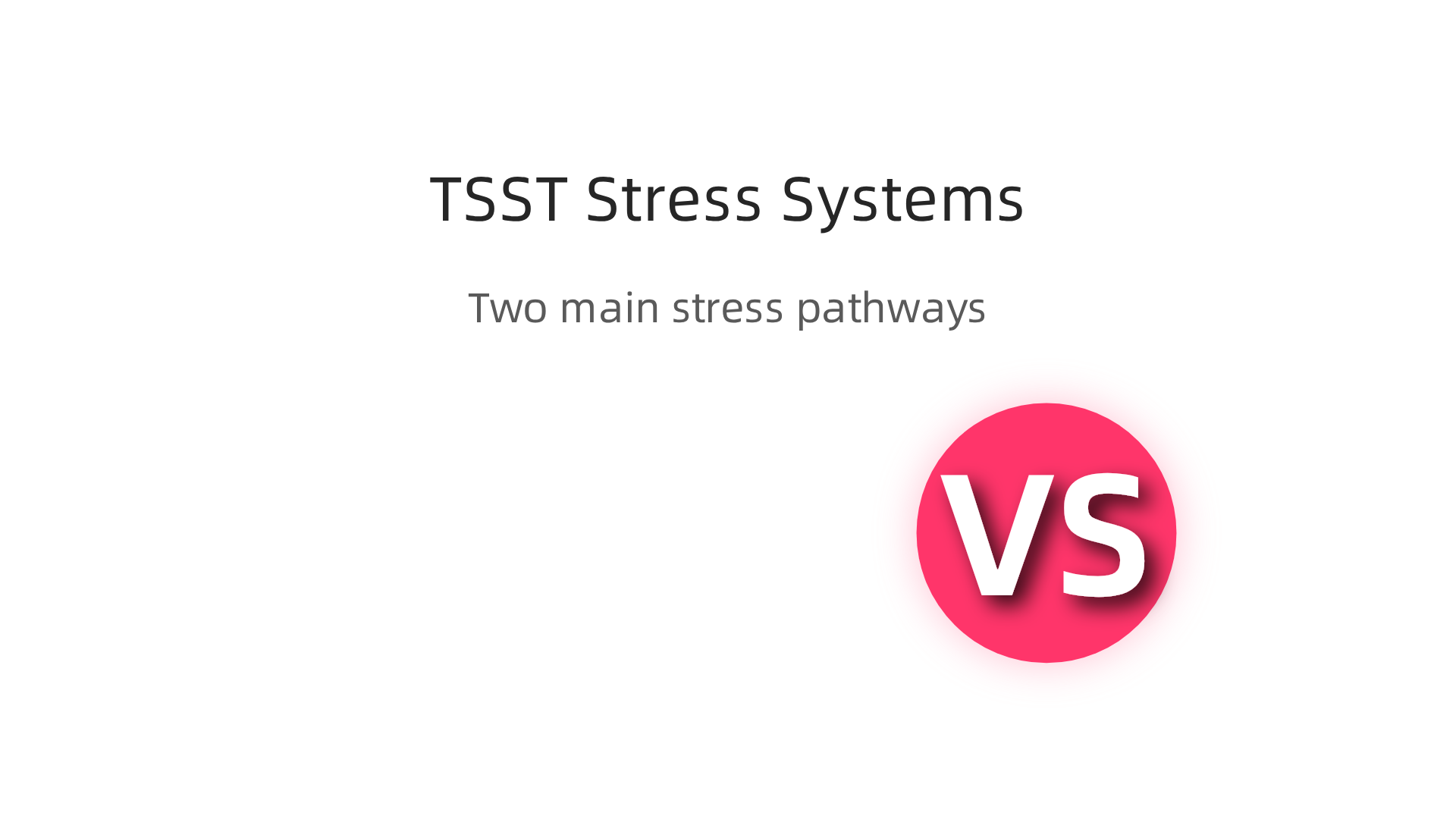
These systems work together to get you ready for a threat.
Your sympathetic nervous system acts fast. This is your fight or flight response. The moment you face the panel and the camera, your heart rate jumps, your breathing gets quick, and adrenaline floods your body. Studies show that this response leads to temporary changes like increased heart rate and adrenaline release.
At the same time, your HPA axis starts a slower process. It tells your adrenal glands to release cortisol, a key stress hormone. Cortisol levels peak about 15 to 30 minutes after the stress starts, while your heart rate goes up right away. Research confirms that the TSST reliably raises cortisol and heart rate. Researchers measure both during and after the test to see how your body recovers.
For most people, these responses fade once the stress is over. But if you have chronic stress or certain anxiety conditions, your body may react differently. People with social anxiety disorder test results often show an exaggerated response. Their cortisol levels spike higher and their heart rate stays up longer. Others, especially those with long term stress or some types of phobias, may show a blunted response. Their body barely reacts at all. The way your body handles stress can tell you a lot about your anxiety different types and how they affect you.
Too much cortisol over time can harm your health. It can disrupt sleep, digestion, and your immune system. That is why understanding your personal stress response matters.
If social situations cause a strong physical reaction in you, learning to manage that response can help. Behavioral health counseling for anxiety teaches skills to calm your fight or flight system before it takes over.
Phobia Assessment Tools: Common Types and Their Purpose
So you’ve learned how your body reacts during a stress test like the TSST. But how do clinicians actually figure out if you have a phobia in the first place? They use a mix of tools to get the full picture.
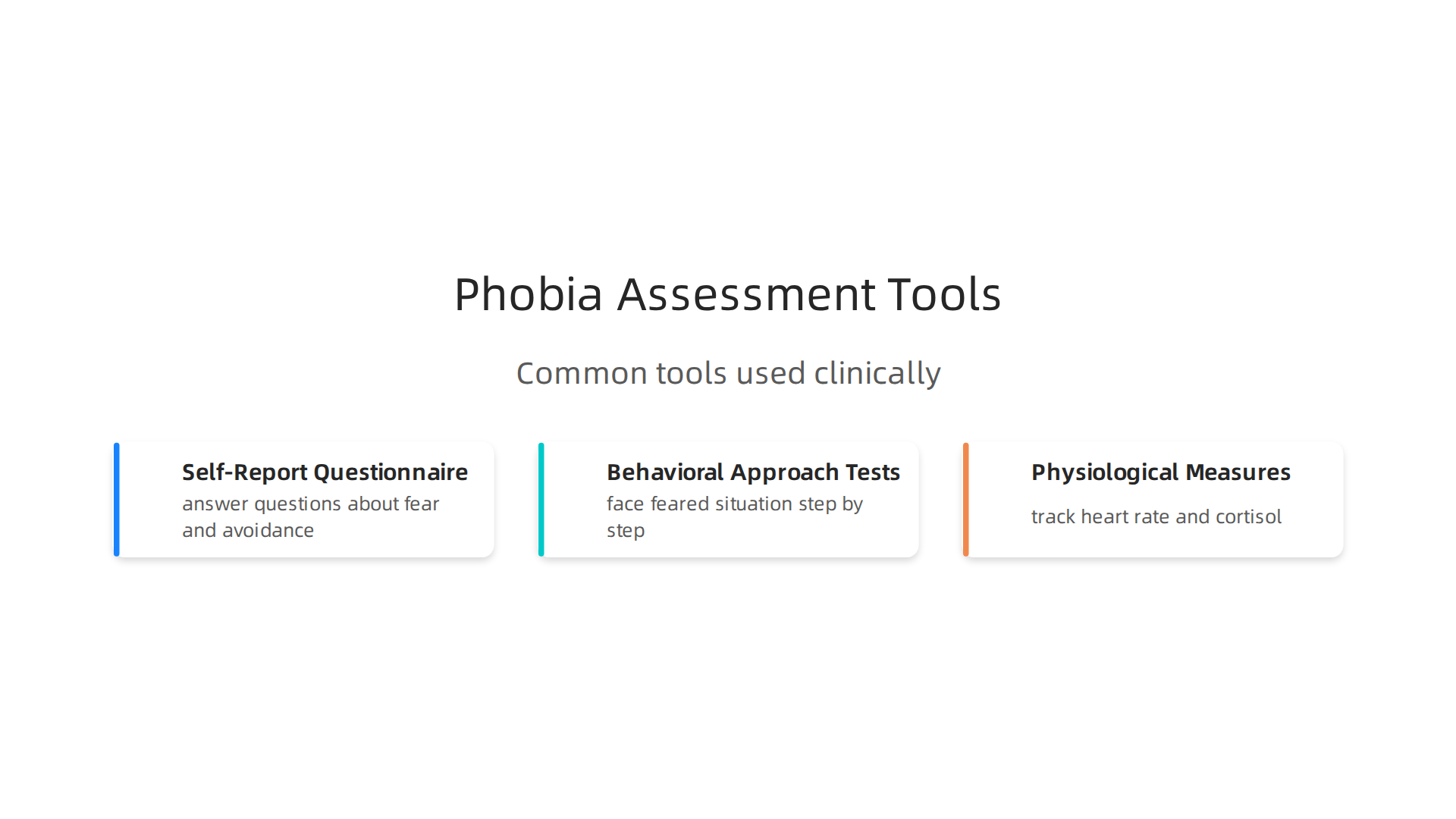
These tools help them see not just what you feel, but how you act and how your body responds.
The most common type is the self-report questionnaire. You answer questions about your fear and avoidance in different situations. One popular example is the Social Phobia Inventory, or SPIN. It has 17 items and asks how much you fear things like being the center of attention or speaking in front of others. The SPIN helps screen for social anxiety disorder and track its severity over time.
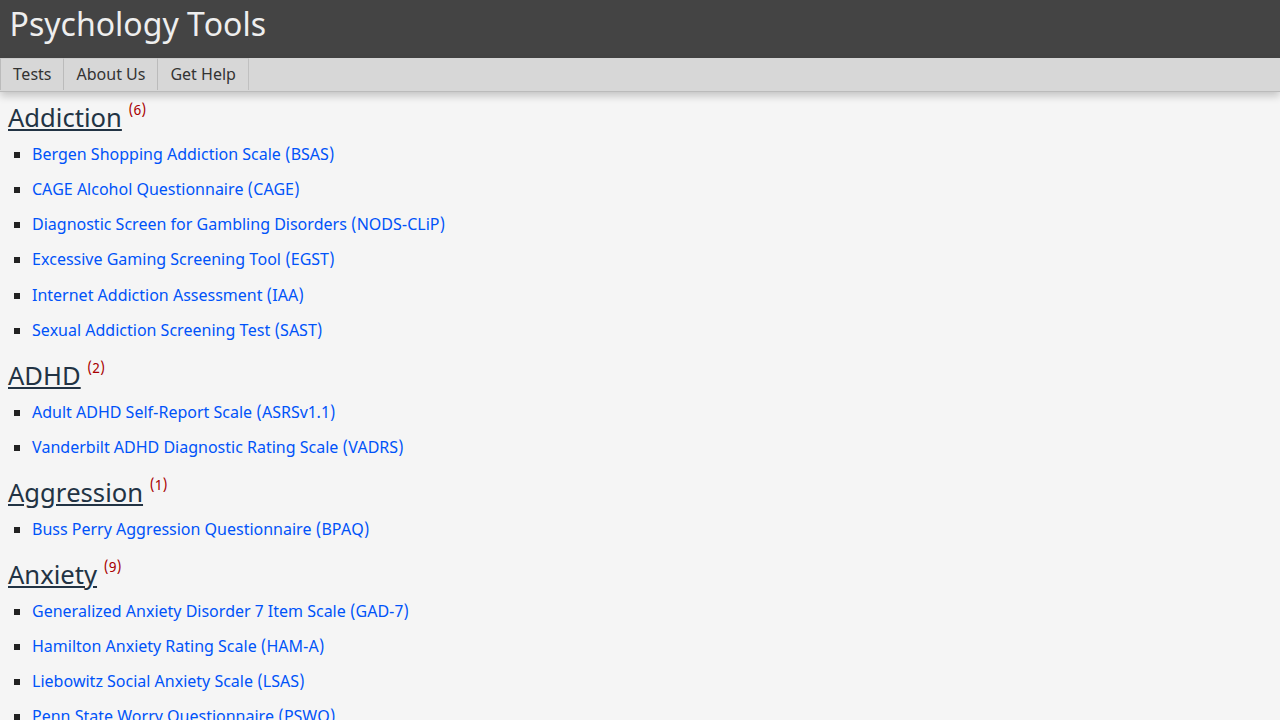
Another tool is the Social Phobia and Anxiety Inventory (SPAI), which looks at your thoughts, body sensations, and behavior. These self-rating scales are validated and widely used in research and clinics.
Next are behavioral approach tests, or BATs. In a BAT, you face a feared situation step by step. For example, if you have a fear of long words (yes, that’s a real phobia), the test might ask you to read a long word out loud while a clinician watches your anxiety level. The TSST is a type of BAT designed for social anxiety. It combines public speaking with mental math in front of a panel. Researchers use it alongside questionnaires to get a real world measure of your stress response.
Finally, there are physiological measures. These track things like heart rate, skin sweat, and cortisol levels. As we covered earlier, these numbers tell a story about how your body handles stress. Put together, these tools help clinicians diagnose specific types of phobias and see if treatment is working.
If these assessment tools sound helpful, you might be wondering what comes next. The goal is always to find the right support. Behavioral health counseling for anxiety can teach you skills to manage the fears these tests uncover.
Clinical Applications of the TSST in Anxiety Research
So now you know the TSST is a powerful way to trigger a stress response in a lab. But why do researchers actually use it? It turns out this test helps answer some big questions about how anxiety disorders work and whether treatments are making a real difference.
One major use of the trier social stress test is to study the biology behind conditions like social anxiety disorder, PTSD, and panic disorder. By measuring heart rate, cortisol, and other stress markers during the test, scientists can see how the body reacts differently in people with these conditions compared to healthy controls.

This gives clues about what goes wrong in the brain and body. For example, people with social anxiety often show a bigger cortisol spike during the TSST. That kind of finding helps researchers understand the physical side of social fears. Self-report tools like the Social Phobia Inventory (SPIN) and other validated scales give the mental picture, while the TSST gives the body picture. Put them together, and you get a full view.
Another key application is evaluating treatment effectiveness. Imagine a person with social anxiety goes through eight weeks of therapy. Before and after treatment, they take the TSST. If their stress response goes down, that is a strong sign the treatment worked. The test is used this way to measure improvements in cognitive behavioral therapy, medication trials, and even newer treatments like virtual reality exposure. It is one of the most reliable ways to see if the body is actually calming down, not just the mind.
Of course, the TSST comes with ethical responsibilities. Because it intentionally makes people feel stressed and judged, researchers must follow strict rules. Participants give informed consent before starting, meaning they know the test will be uncomfortable. After it is over, there is a debriefing session where the researcher explains the purpose and checks that the person is okay. This care ensures that even though the test is hard, it is done safely and respectfully.
Understanding how your body reacts to social stress is an important step. If the TSST sounds familiar to your own experiences, it might be time to look into real support. Behavioral health counseling for anxiety can teach you skills to handle those same stress reactions in everyday life.
Self-Help Strategies Inspired by TSST Research
You don’t need a lab to use what the trier social stress test teaches us. This test shows how being judged or watched can spike your heart rate, raise cortisol, and make you feel shaky. The good news? You can train your body to handle those moments better.
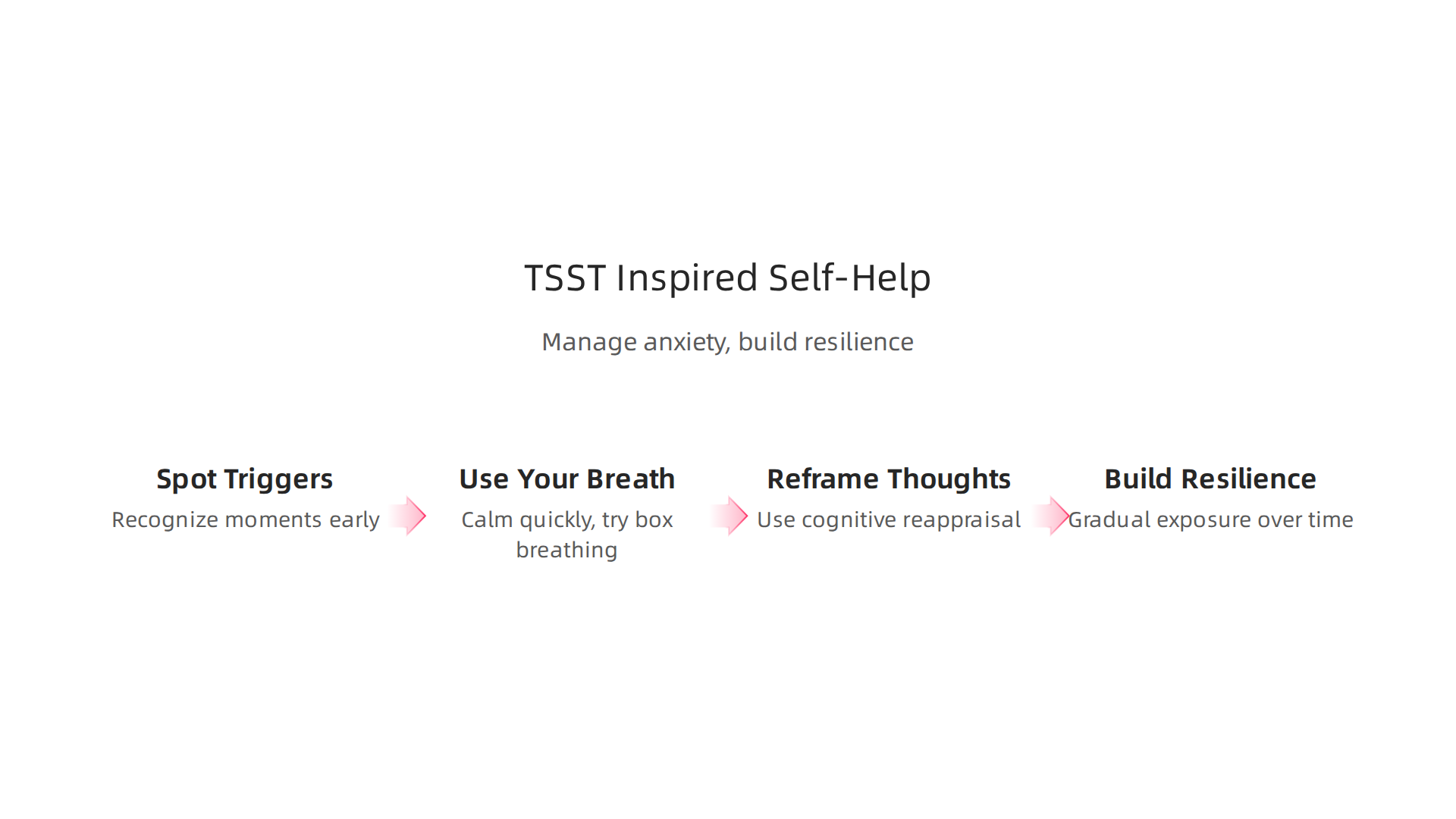
Start by spotting your own stress triggers. Think about when your palms get sweaty. Is it during a job interview? A tough conversation? That is your personal version of the TSST. Recognizing these moments is the first step. You are essentially running your own social anxiety disorder test every day.
Use your breath to calm down fast. When you feel stress coming on, shallow chest breathing makes it worse. The fix is simple. Try box breathing from the American Lung Association: breathe in for four counts, hold for four, out for four, hold for four. Repeat. Studies show that daily mindful breathing can reduce test anxiety and lower physical stress symptoms. The NHS also recommends slow belly breathing through your nose. A systematic review in Frontiers in Psychology confirms that breathing techniques effectively lower both anxiety and physical symptoms.
Change how you think about the situation. This is called cognitive reappraisal. Instead of thinking "I am going to mess up," tell yourself "This is a challenge, and I can handle it." The same research that shows breathing helps also finds that practicing cognitive reappraisal reduces stress. It rewires your brain’s response to anxiety different types including social fears.
Build resilience with small exposures. Do not jump into the deep end. Start with small social-evaluative tasks. Record yourself answering a mock interview question. Then practice in front of one friend. Then a small group. Gradually, your body learns that these situations are not dangerous. This works for many types of phobias including social anxiety.
If you want more step by step guidance, check out these practical resources. For deeper help changing your thoughts, explore cognitive therapy for anxiety techniques. For more on breathing and calming test nerves, these 10 test anxiety strategies to calm your nerves and boost your score can help.
The TSST research gives you a roadmap. Now you get to take the wheel.
Validity and Limitations of the TSST and Phobia Assessments
The self-help strategies you just learned come from a powerful research tool. But no tool is perfect. Understanding the strengths and weaknesses of the trier social stress test will help you use its lessons wisely.

The TSST has strong internal validity. That means it reliably triggers a stress response in a controlled lab setting. Researchers can measure your heart rate, cortisol levels, and self-reported anxiety before, during, and after the test. This control helps them pinpoint cause and effect. That is why the TSST is still used in many studies, including recent trials looking at how breathing techniques affect stress biomarkers (ClinicalTrials.gov, 2025).
But it has limited ecological validity. The lab is artificial. You stand in front of strangers and perform math tasks while being recorded. That is not quite the same as a real job interview or a tough conversation with your boss. Real world stress often involves people you know, stakes that matter more, and contexts that change how you feel. So while the TSST gives us reliable data, it does not capture the full picture of daily social stress.
Cultural and gender differences also affect how people respond. Some studies show that women may have different cortisol reactions than men. People from different cultural backgrounds might react differently to being judged by strangers. This means results from a TSST study done mostly on Western college students may not apply to everyone. Researchers must interpret findings carefully.
Now think about phobia assessments like a social anxiety disorder test. Most of these tests rely on self-report questionnaires. You rate how anxious you feel in certain situations. That is helpful, but it is also biased. You might downplay your symptoms, misremember, or not fully recognize your own fear. That is why combining self-report with physiological measures works better. The TSST does exactly that by measuring heart rate and cortisol alongside your self-reported anxiety. Getting a fuller picture helps with accurate diagnosis and treatment planning.
If you are curious about free self-screening tools, take a look at this practical guide on Mental Health America anxiety screening. It explains how these tests work and where they fit into your journey.
So the TSST is a valuable tool, but it is not a perfect mirror of real life. Use its insights while keeping these limits in mind. That is how research truly helps you grow.
Ethical Considerations in Stress and Phobia Assessment
You might not realize it, but when researchers use the trier social stress test, they have to follow strict ethical rules. These rules protect people like you who might take part in a study. Let’s break down what that means.
First, researchers must get informed consent. You know how before any test you have to sign a form? Well, with stress studies, that form must clearly explain that you may feel uncomfortable, anxious, or embarrassed. You cannot be tricked into signing up. The Utah Institutional Review Board guidelines say participants must know what they are getting into and that they can quit at any time without penalty [1]. This is true whether you are taking a social anxiety disorder test in a lab or filling out a questionnaire about types of phobias.
Second, after the study ends, researchers must debrief you. Take the TSST for example. You think your performance was recorded and judged. But afterward, the researcher tells you the truth: no one watched the recording, and your math skills were never really being evaluated. The standard protocol requires this full disclosure to reduce any lasting stress [2]. This step helps make sure you leave the lab feeling okay.
Third, researchers must watch for adverse reactions. If someone starts panicking during the TSST, the team must step in and offer support. Ethics committees require researchers to have a plan for managing extreme distress.
These rules apply to all anxiety research, from studies on the fear of long words to experiments on anxiety different types. They exist to keep you safe while scientists learn more about how stress works.
If you ever feel overwhelmed by anxiety from a screening or real life situation, know that help is available. Consider exploring behavioral health counseling for anxiety as a next step. You deserve care that puts your well being first.
References:
[1] University of Utah Institutional Review Board. Deception & Debriefing: Guidance Series. Retrieved from https://irb.utah.edu/guidance-series/deception-debriefing/
[2] Birkett, M. A. (2011). The Trier Social Stress Test Protocol for Inducing Psychological Stress. Journal of Visualized Experiments. Retrieved from https://pmc.ncbi.nlm.nih.gov/articles/PMC3227197/
Summary
The article explains the Trier Social Stress Test (TSST), a laboratory protocol that reliably creates acute social-evaluative stress through an unprepared speech and mental arithmetic in front of a silent panel. It describes the TSST step-by-step, the physiological responses it triggers (rapid sympathetic activation and a slower cortisol rise), and how researchers combine it with self-report questionnaires and physiological measures to assess social anxiety and other phobias. The piece also covers clinical uses—like testing treatment effects—while noting limits such as ecological and cultural validity, and outlines ethical protections like informed consent and debriefing. Finally, it translates research into practical self-help strategies (breathing, cognitive reappraisal, gradual exposure) and points readers to screening and therapeutic resources if their stress mirrors TSST reactions.