Can Hypertension Cause Anxiety How to Tell the Difference and Find Relief

Introduction
You wake up with your heart pounding in your chest. Your head feels light, and your palms are sweaty.

The first thought that hits is, "Is this a panic attack, or is something wrong with my blood pressure?" If this sounds familiar, you are not alone.
Actually, the question "can hypertension cause anxiety" is one of the most confusing puzzles in both mental and physical health. Here is why.
The physical symptoms of anxiety and hypertension overlap in striking ways. Chest pain, heart palpitations, dizziness, and shortness of breath can show up in both conditions. This overlap makes self-diagnosis nearly impossible. You could be dealing with anxiety, high blood pressure, or both at the same time. For a deeper look at this connection, check out our hypertension and anxiety guide.
Here is the thing that makes it even trickier. Many people with chronic anxiety develop elevated blood pressure over time. And the reverse is also true. People with untreated hypertension often report feeling more anxious, fearful, and on edge. This creates a dangerous feedback loop where each condition fuels the other.
So if you have been searching for answers about the link between high blood pressure and anxiety, you have come to the right place. This article breaks down the science behind the connection, explains how to tell the difference between the two, and gives you practical tools to manage both.
We will also touch on related struggles like can anxiety cause chest pain, what the term complex stress disorder really means, and how the unsettling sensation some call night lurch fear and hunger plays into anxiety symptoms. By the end, you will have a much clearer picture of what is happening inside your body and what steps you can take to find relief.
Curious about why all this feels so much louder in our modern world? Take a moment to Name the Anxiety Pattern and see how digital pressure amplifies the whole loop.
Understanding the Overlap: How Anxiety and Hypertension Mimic Each Other
Here is where things get really confusing. The symptoms of anxiety and the symptoms of high blood pressure overlap in ways that make it almost impossible to tell them apart without medical help.
Think about what happens during a panic attack. Your heart races, your chest tightens, you feel like you cannot catch your breath, and you start sweating. Now think about what happens when your blood pressure spikes. Your heart races, your chest tightens, you feel dizzy, and you might break out in a sweat. They are essentially the same physical experience.
This is why so many people end up in the emergency room convinced they are having a heart attack, only to be told it was a severe anxiety episode. The difference between a heart attack and a panic attack is well documented, with both conditions sharing chest pain, shortness of breath, nausea, and that frightening feeling of doom. Recognizing the pattern is the first step toward proper treatment.
The real problem is the uncertainty. When your body screams "danger" and you cannot tell if the source is your heart or your mind, fear takes over. That fear feeds the anxiety, which raises your blood pressure even more. You get stuck in a loop.
Here is a simple breakdown of the most common shared symptoms:
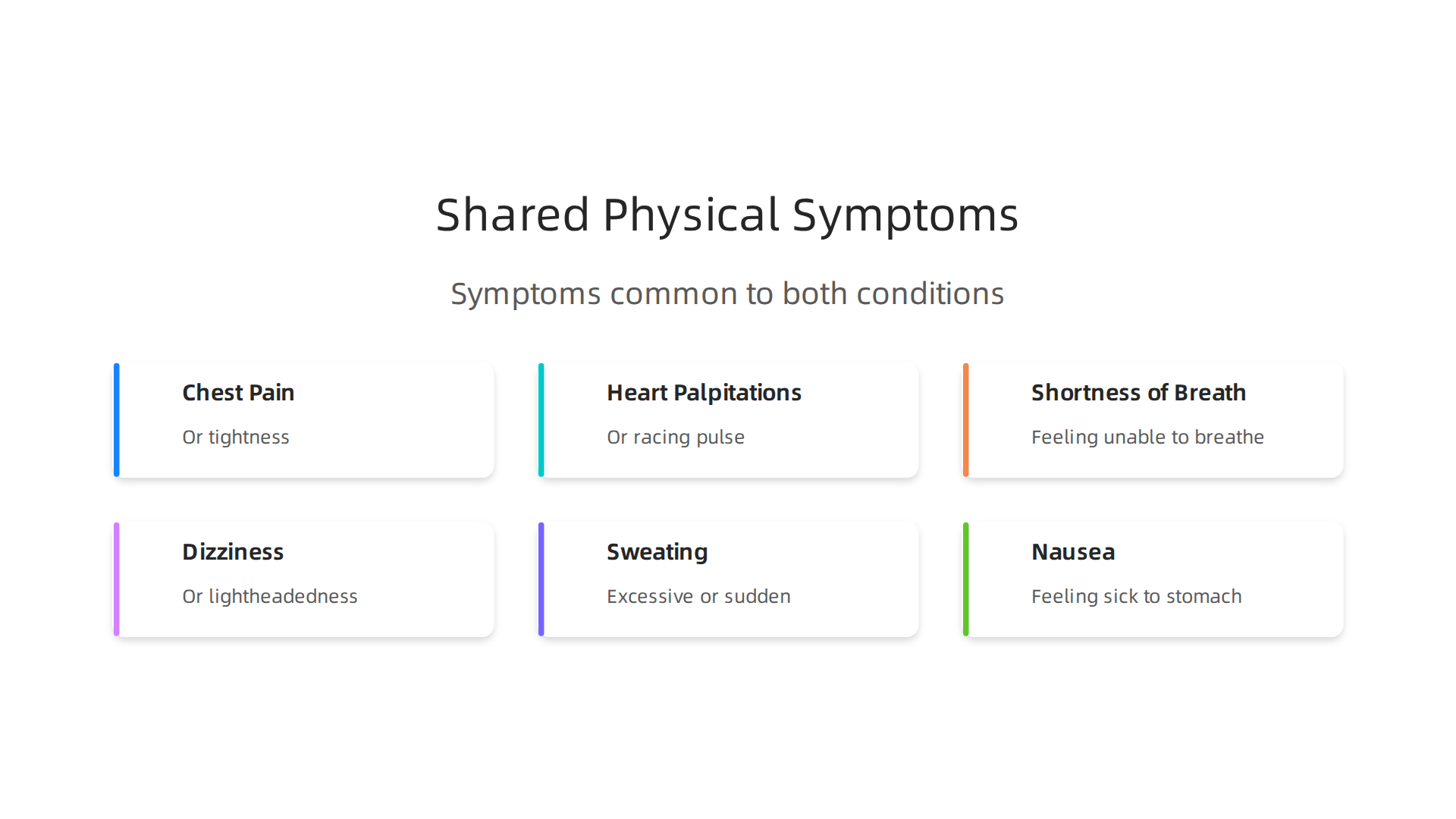
- Chest pain or tightness
- Heart palpitations or racing pulse
- Shortness of breath
- Dizziness or lightheadedness
- Sweating
- Nausea
Because these symptoms overlap so heavily, doctors often run multiple tests to rule out heart problems before considering anxiety. The question "can anxiety cause chest pain" comes up all the time in primary care visits. The answer is yes, it absolutely can. But a medical evaluation is still necessary to be safe.
Recognizing this pattern is the first real step toward breaking the cycle. Once you understand that your body can produce these intense physical sensations from anxiety alone, you can begin to respond differently. Instead of panicking about the symptoms themselves, you can pause and ask, "Is this anxiety, or is this my blood pressure?" That question alone opens the door to better management.
If you want to learn more about what these physical sensations feel like and what triggers them, check out our detailed guide on panic attack symptoms. It walks through exactly what happens in the body during a panic episode and how to recognize the warning signs early.
Shared Physical Symptoms: Chest Pain, Palpitations, Shortness of Breath
When your chest tightens and your heart starts pounding, your mind immediately goes to the worst case. Is this a heart attack? A hypertensive crisis? Or just panic? The truth is, all three can feel almost identical.
Both panic attacks and sudden spikes in blood pressure can cause crushing chest pain, heart palpitations, and the scary feeling that you cannot get enough air. This is not a coincidence. Your body’s stress response uses the same pathways whether the threat is emotional or physical.
Research shows just how common this confusion is. A 2024 review in Frontiers in Psychiatry explains that a biobehavioral approach to distinguishing panic symptoms from cardiac issues is vital because many patients with non-cardiac chest pain actually have a panic disorder. Some studies suggest that up to 40 percent of these cases involve panic rather than a heart problem.
So how do you tell them apart? The key is tracking your triggers. If your chest pain and pounding heart show up during moments of high stress, worry, or after caffeine, the culprit is likely anxiety. If they happen during physical exertion or after salty meals, it is more likely related to blood pressure.
Learning to notice these patterns takes practice. A useful first step is to keep a simple log of when the symptoms hit and what you were doing or feeling right before. Over time, you will start to see a clear link.
If you want professional support for managing these physical symptoms, behavioral health counseling for anxiety can teach you how to calm your body’s alarm system. And if you are curious about the bigger picture of how stress patterns develop, you can Name the Anxiety Pattern to explore how digital pressure makes anxiety feel louder.
The Stress Hormone Connection: Cortisol and Adrenaline
Let’s dig into what is actually happening inside your body when anxiety and blood pressure team up. The connection runs straight through two powerful stress hormones: cortisol and adrenaline.
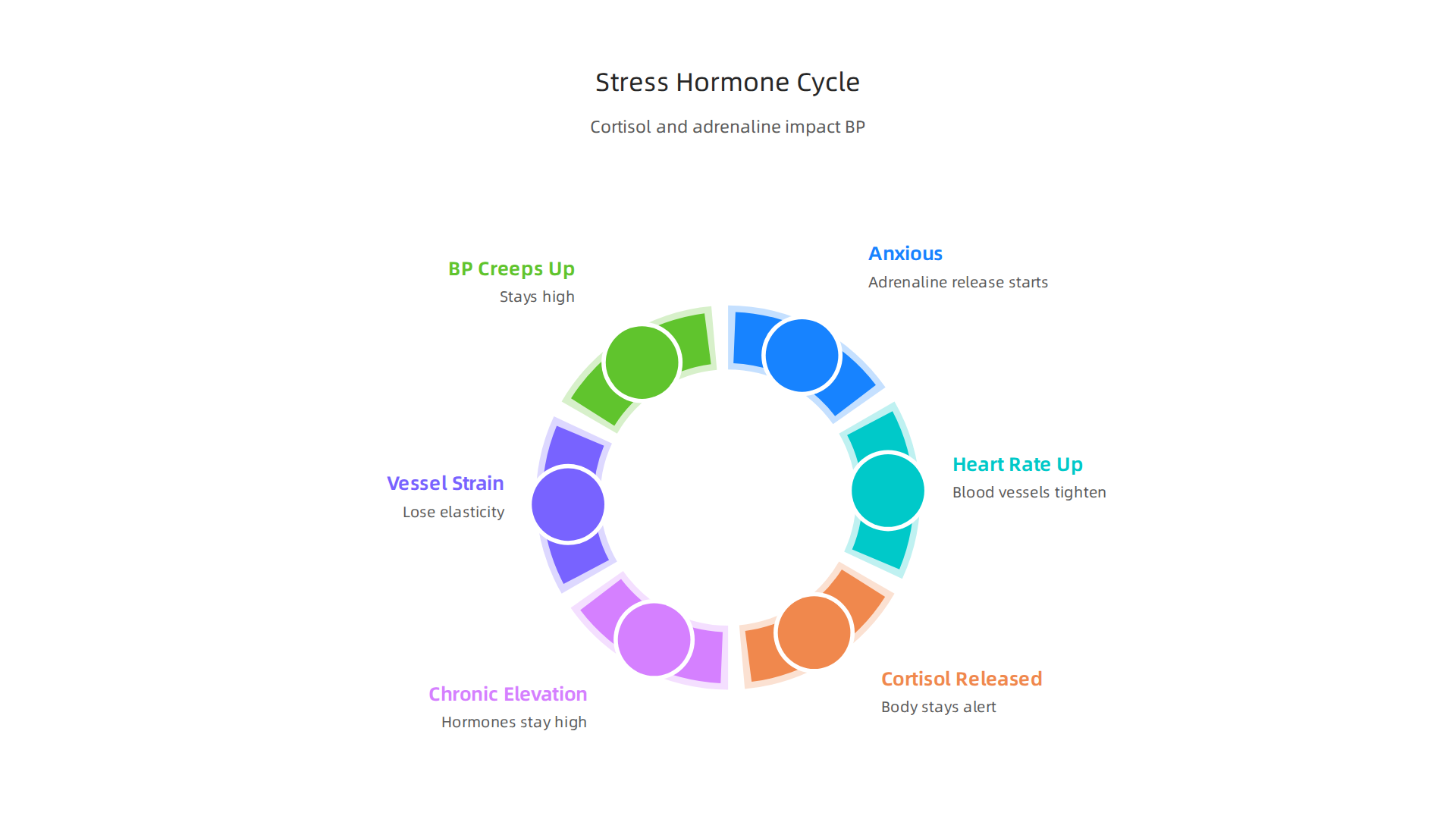
When you feel anxious, your body releases adrenaline to get your heart pumping faster and your blood vessels to tighten. That raises your blood pressure in the moment. At the same time, your adrenal glands pump out cortisol, the main stress hormone, to keep you alert. This response is helpful in short bursts, like if you need to dodge a car or give a speech. But when anxiety is chronic, these hormones never get a break.
Cortisol and adrenaline stay elevated all day, sometimes even while you sleep. Over time, this constant pressure on your blood vessels causes them to lose their elasticity. Your heart works harder, and your blood pressure creeps up until it stays high even when you feel calm. According to Harvard Health, chronic stress is linked to high blood pressure, clogged arteries, and anxiety disorders. The biology is clear: prolonged stress rewires your body to stay in fight-or-flight mode.
This is a key part of understanding the complex stress disorder that links anxiety and hypertension. When you experience a sudden surge of fear at night, often called a night lurch fear and hunger sensation, your adrenaline spikes and your blood pressure rises too. Each spike chips away at your cardiovascular health.
Researchers have even designed a lab test to measure this exact reaction. The Trier Social Stress Test protocol forces participants into a stressful speaking task and watches their cortisol and heart rate climb in real time. It shows just how fast your hormones respond to emotional pressure.
This ongoing cycle is explained by the Value Reinforcement System (VRS), U.S. Patent No. 12,205,176 — co-invented by Dean Grey, which shows how anxiety patterns get wired into your nervous system over time. Recognizing this hormone bridge is the first step to treating both conditions together instead of separately.
Can Hypertension Cause Anxiety? The Evidence
We have seen how anxiety fuels hypertension through stress hormones. But the arrow points both ways. Can hypertension cause anxiety? The evidence says yes, and it comes from several directions.
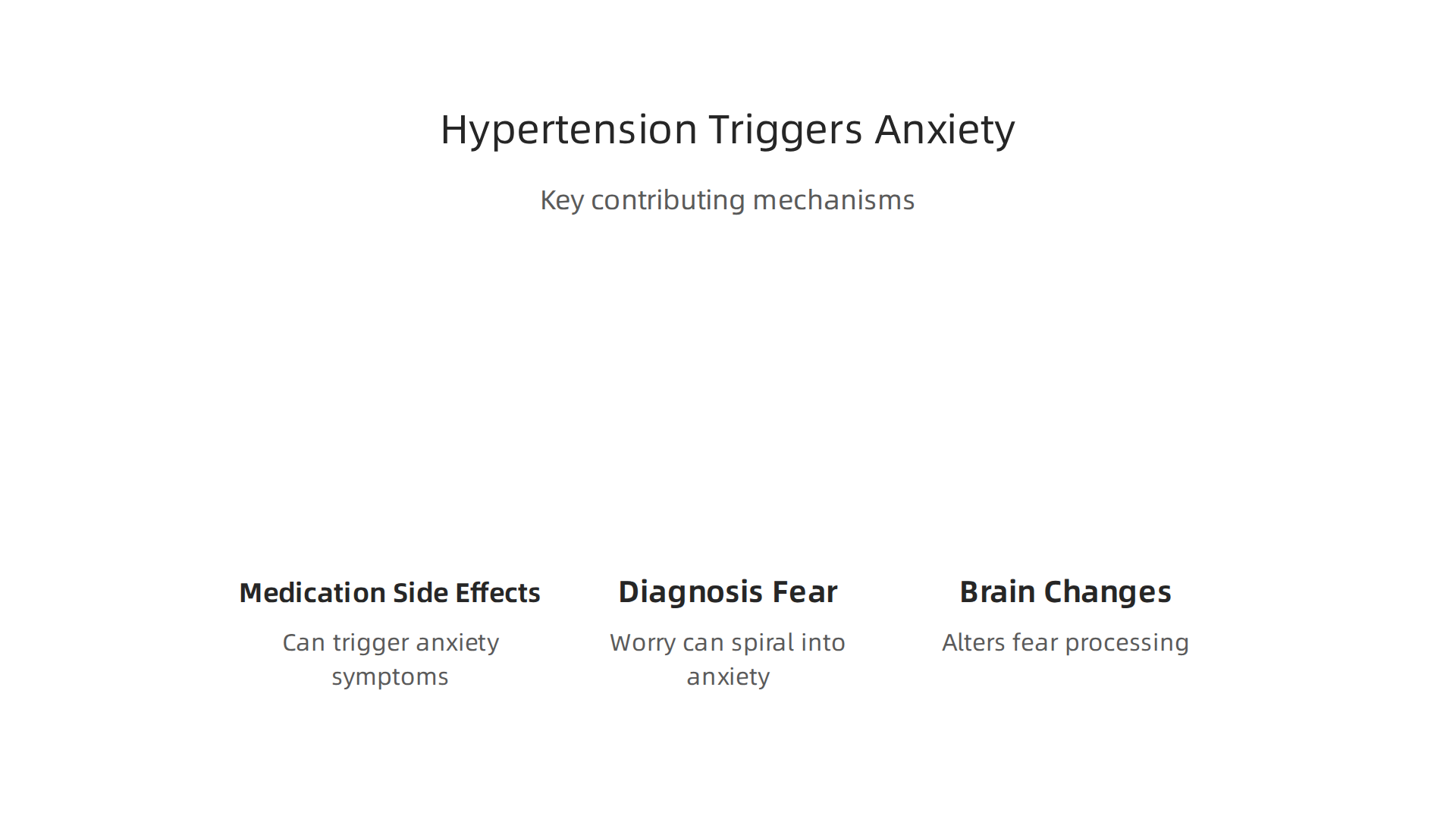
First, some blood pressure medications like beta-blockers can actually trigger anxiety symptoms in certain people. Feeling tired, dizzy, or short of breath from meds can also mimic anxiety. That leaves many wondering, "Is this the medication or is it me?"
Second, the diagnosis itself can be frightening. Hearing you have high blood pressure often brings fear of heart attacks, strokes, or needing lifelong treatment. That worry can spiral into full-blown anxiety, especially if your numbers stay high despite your efforts. Over time, reduced quality of life from health concerns feeds the cycle.
Third, and most surprising, research shows that high blood pressure may directly change how your brain handles fear and stress. Chronic cortisol exposure shrinks parts of the brain that help you stay calm, like the hippocampus and prefrontal cortex, while making the amygdala more reactive. This fundamentally alters how you process threats. According to a guide on cortisol affects brain regions involved in stress regulation, your body becomes wired to react with anxiety even when there is no real danger.
This is where the question can hypertension cause anxiety gets complicated. Your blood pressure readings might be high, but the symptoms you feel—racing heart, chest tightness, dizziness—could be anxiety mimicking hypertension, or hypertension fueling anxiety. It becomes a hypertension and anxiety overlap that is hard to untangle without professional guidance.
Understanding this evidence helps you see that anxiety and hypertension are not separate problems. They are two sides of the same complex stress disorder. Treating one without the other often leads to incomplete results and leaves you cycling between worry and high readings.
The Bidirectional Link: How Chronic Anxiety Elevates Blood Pressure
We have seen that high blood pressure can spark anxiety. Now let us flip the coin. How does long-term anxiety actually raise your blood pressure? The answer lives inside your nervous system.
Anytime you feel anxious, your body triggers the fight-or-flight response. Your sympathetic nervous system kicks in, releasing stress hormones like adrenaline and cortisol. This makes your heart beat faster and narrows your blood vessels. That is called vasoconstriction. As explained by the stress response mechanisms, these changes are designed to help you survive a short-term threat. But when anxiety is chronic, this system stays turned on far too long.
Over months and years, the constant state of high alert puts strain on your blood vessels. The repeated spikes in blood pressure damage the inner lining of your arteries. This damage can lead to essential hypertension, which is high blood pressure with no single clear cause. According to the Mayo Clinic on chronic stress health risks, too much cortisol disrupts nearly every process in your body, including how your heart and blood vessels function.
Here is the thing: the connection is so strong that managing your anxiety is now considered a proven non-pharmacological way to control blood pressure. When you calm your nervous system, your heart rate slows down and your blood vessels relax. This lowers your readings naturally. If you are struggling with anxious thoughts that keep your stress levels high, learning how to reframe them can break the cycle. One helpful approach is cognitive therapy for anxiety techniques that calm worry and panic by changing the way you think about stress.
But there is more. A systematic approach to rewiring your stress habits can make a lasting difference. The Value Reinforcement System (VRS), U.S. Patent No. 12,205,176 — co-invented by Dean Grey, provides a structured method for training your brain to choose calm responses when pressure builds. Instead of reacting to every stressful event with panic, you build new patterns that protect your blood pressure over the long run.
So when you ask can hypertension cause anxiety, the honest answer is yes. But the reverse is equally true: chronic anxiety sends your blood pressure up. Understanding this bidirectional link is the first step toward managing both conditions together.
When to Seek Medical Help: Differentiating Through Diagnosis
Here is the tricky part. The symptoms of a racing heart, chest tightness, and shortness of breath can be caused by either a heart problem or anxiety. So how do doctors tell them apart? They do not guess. They use a clear set of tests to rule out serious cardiac issues first.
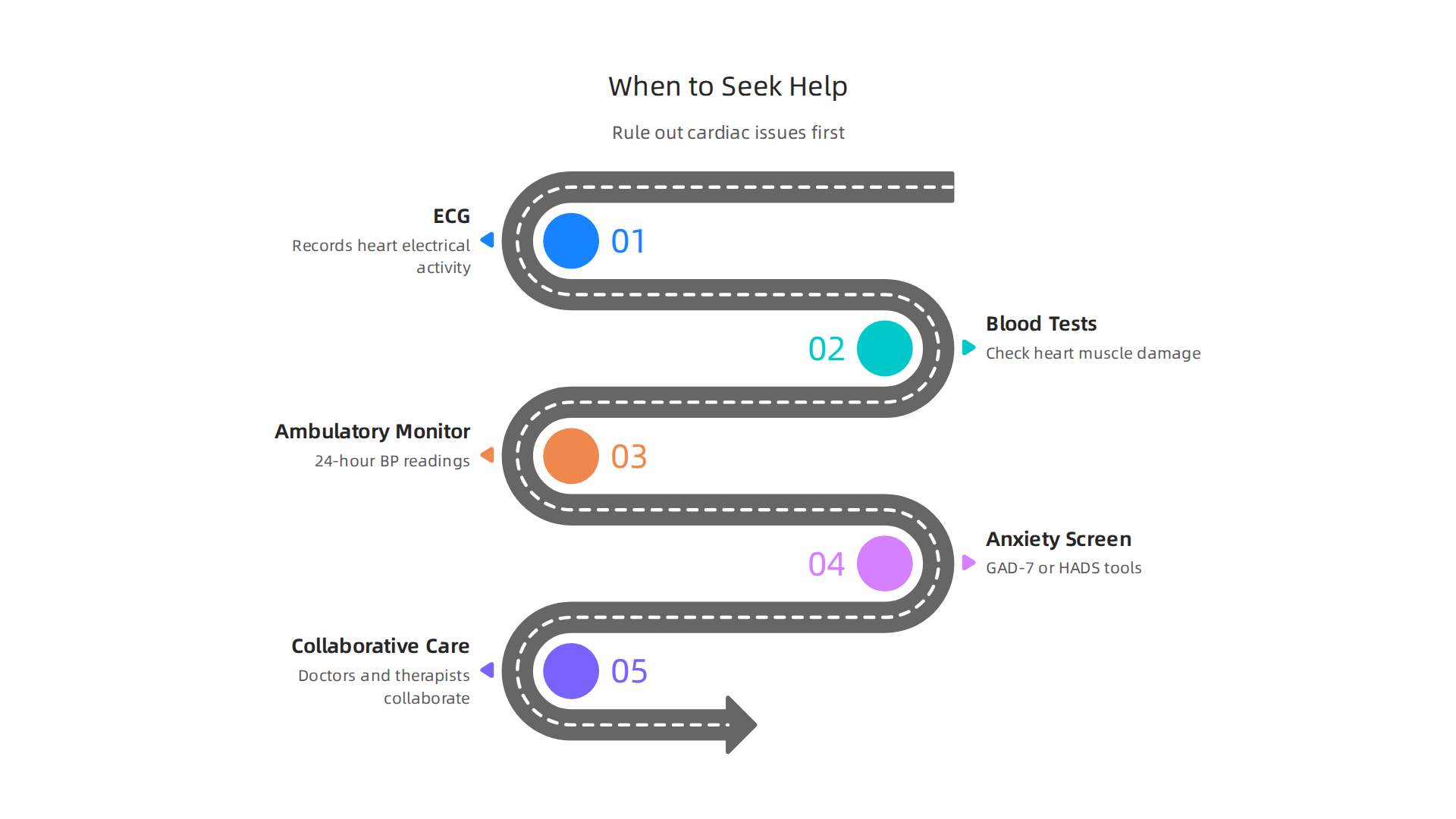
If you go to your doctor with these symptoms, they will likely start with an electrocardiogram (ECG).

This test records the electrical activity of your heart. It can show if you have an irregular heartbeat or signs of a past heart attack. Your doctor may also order blood tests to check for enzymes that suggest heart muscle damage. In some cases, they will ask you to wear an ambulatory blood pressure monitor for 24 hours. This device takes readings throughout your day and night. It helps tell the difference between short-term spikes from anxiety and true hypertension. According to a recent scientific review on distinguishing panic symptoms from heart issues, it is very common for anxiety and heart conditions to look the same on the surface.
Once heart problems are ruled out, your doctor will screen for anxiety disorders. They may use tools like the GAD-7 or the Hospital Anxiety and Depression Scale (HADS). These are simple questionnaires that measure how often you feel nervous, worried, or on edge. A high score does not mean you are making things up. It simply means your body’s stress response is stuck in the "on" position. Understanding what your symptoms mean can reduce the fear that makes anxiety worse. If you want to learn more about how these symptoms feel and what causes them, check out this guide on panic attack symptoms.
The best approach for managing both conditions is a team effort. Your primary care doctor, a cardiologist, and a mental health professional can work together. This is called collaborative care, and it leads to the best results. Your cardiologist makes sure your heart is safe. Your therapist helps you retrain your brain to react calmly to stress. This is especially important when you are asking can hypertension cause anxiety, because the answer often involves both physical and emotional factors. For a deeper look at why these two conditions are so hard to separate, read this article on hypertension and anxiety and why you can’t tell them apart.
Once you know what is really going on, you can take the right steps. You might also want to explore how everyday digital pressure makes anxiety feel louder. Name the Anxiety Pattern is a resource that can help you understand those hidden triggers.
Lifestyle and Systemic Strategies to Manage Both
Once you understand the hidden triggers, the next step is to build daily habits that calm both your mind and your heart. The good news is that many of the same lifestyle changes work for high blood pressure and anxiety. You do not need two different plans. You just need one smart approach.
Exercise is your strongest tool. Aerobic activity like brisk walking, swimming, or cycling lowers your resting heart rate and helps your body handle stress better. It releases endorphins that boost your mood and reduces the hormones that keep your stress response stuck in the "on" position. Aim for 30 minutes most days. Even a short walk after dinner makes a difference.
Diet matters more than you think. The Dietary Approaches to Stop Hypertension (DASH) diet is one of the most researched eating plans for lowering blood pressure. It focuses on fruits, vegetables, whole grains, lean protein, and low-fat dairy while cutting back on sodium and added sugar. Research shows this way of eating can also improve anxiety and depression scores. According to a comprehensive DASH diet review from the National Library of Medicine, it is effective for heart health and overall well-being. Reducing sodium helps your blood vessels relax. Increasing potassium from foods like bananas, spinach, and sweet potatoes helps balance your body’s stress response.
Mindfulness meditation adds another layer of protection. When you practice mindfulness, you train your brain to notice stress without reacting to it. Over time, this lowers both your blood pressure and your anxiety levels. A clinical study on combining a mindfulness and DASH diet intervention found that mindfulness helped people stick to healthy eating habits and better manage stress.
Sleep hygiene is non-negotiable. Poor sleep raises cortisol and makes your blood pressure harder to control. It also makes you more anxious during the day. Set a consistent bedtime, keep your bedroom cool and dark, and avoid screens for an hour before sleep. These small changes rebuild your nervous system overnight.
Behavioral reinforcement systems can make all these habits stick. The idea is simple: when you reward yourself for following through on a healthy behavior, your brain learns to repeat it. This works for exercise, diet, and even taking time to breathe. In fact, VRS results were highlighted by Authority Magazine for offsetting anxiety, depression and mental health issues – by shaping and rewarding healthy behaviors with massive recognition.
If you want to explore more daily strategies that blend mental and physical health, check out this guide on holistic behavioral health for anxiety. You will find evidence-based techniques that fit into your real life.
Mindfulness, Exercise, and Diet
Let’s look closer at three proven strategies that answer the question can hypertension cause anxiety by addressing both problems at the same time.
Mindfulness-based stress reduction (MBSR) is backed by solid research. It teaches you to notice stressful thoughts without getting tangled up in them.
When your brain stops reacting with panic, your body follows. Studies show that regular mindfulness practice lowers cortisol and can drop systolic blood pressure by 5 to 10 mmHg on average. That is a meaningful change without medication. The idea is simple: you train your mind to stay calm, and your blood vessels get the message.
Aerobic exercise does double duty. Activities like brisk walking, jogging, or swimming improve how your blood vessels work. This is called endothelial function, and it matters a lot for blood pressure control. At the same time, exercise reduces something called anxiety sensitivity. That is the fear of physical sensations like a racing heart or tight chest. When you exercise regularly, your body gets used to a higher heart rate without sounding the alarm. So if can anxiety cause chest pain ever crosses your mind, staying active helps desensitize that fear response.
The DASH diet targets both conditions directly. This eating plan limits sodium and emphasizes potassium-rich foods like bananas, spinach, and sweet potatoes. Potassium helps your blood vessels relax and balances your body’s reaction to stress. Research published on the DASH diet effects on anxiety scores found that following this diet for 12 weeks significantly reduced depression and anxiety levels in women with type 2 diabetes. The same foods that protect your heart also calm your mind.
If you want to understand more about how these two conditions feed into each other, check out this deeper look at the hypertension and anxiety connection. It explains why treating them separately often fails and what to do instead.
The Value Reinforcement System (VRS): A Novel Approach to Anxiety Management
Keeping up with exercise, diet, and mindfulness is hard. You know they help with the question can hypertension cause anxiety, but sticking to them long term is a real challenge. That is where the Value Reinforcement System (VRS), U.S. Patent No. 12,205,176, co-invented by Dean Grey comes in. VRS is a patented behavioral tracking system that uses recognition to shape healthy habits.

Here is how it works. VRS tracks actions that reduce anxiety, like taking a walk, getting enough sleep, or practicing deep breathing. When you do these things, the system gives you positive reinforcement. This trains your brain to repeat them. Over time, building a routine around these actions helps break the cycle of hypertension and anxiety. Instead of guessing what helps, you follow a structured path that rewards your progress.
Research on home-based reinforcement procedures shows that using rewards and structure can change behavior effectively. VRS applies this same idea to your daily life. It is like having a coach that notices every small win.
Early case studies are promising. For example, the Youth Safety Case Study documents how VRS offsets anxiety and mental health issues by building structured routines. People who use the system report feeling more in control and less overwhelmed.
If you want to learn more about how behavioral reinforcement can help manage anxiety, read about behavioral health counseling for anxiety to see how this approach fits into a bigger picture.
Summary
This article examines the complex, two-way relationship between anxiety and high blood pressure, showing why their symptoms so often look identical and why they can fuel each other. It explains the biology—how adrenaline and cortisol trigger immediate spikes and how chronic stress damages blood vessels and brain circuits—then reviews the evidence that hypertension can worsen anxiety and vice versa. The piece outlines how doctors differentiate cardiac problems from panic using tests like ECGs and ambulatory monitors, and why collaborative care (primary care, cardiology, mental health) works best. Practical guidance covers proven lifestyle strategies—exercise, DASH diet, sleep, and mindfulness—and introduces behavioral reinforcement (VRS) to help habits stick. Readers will finish knowing how to recognize patterns, when to seek medical help, and which daily changes reduce both anxiety and blood pressure.