
Music Therapy for Stress and Anxiety Practical Steps to Peace
Why music therapy is a promising, accessible tool for anxiety
In 2026, many people are looking for easy and gentle ways to manage stress and anxiety.

Feeling worried, stressed, or overwhelmed can make daily life tough. While there are many paths to feeling better, one helpful tool that’s getting a lot of attention is music therapy. It’s a way to use sounds and music to help you relax, feel calmer, and cope with tough emotions.
Think of music therapy for stress and anxiety as a friendly guide. It doesn’t replace other important care, but it works well with them. This approach helps you feel more at peace and can be a big part of taking care of your whole self. For example, studies show that music therapy can help lower stress levels and calm your body after a stressful event, working to settle your nervous system Music therapy for stress reduction: A systematic review and meta-analysis.
This article will help you understand more about music therapy for stress and anxiety. We will look closely at how music can be a strong tool for your well-being. You can expect to learn:
- The Science: We’ll explore why music affects your mood and body.
- Easy Steps: You’ll find simple, practical ways to use music in your daily life to find calm. This includes tips on actionable home remedies for anxiety attack stop panic fast and using music as a relaxation tip for panic attacks.
- Safety First: We’ll talk about how to use music therapy safely and wisely.
- When to Get More Help: Knowing when to reach out to a professional is key.
Our goal is to give you clear, easy-to-follow steps based on real evidence. You’ll find out how to use music to calm your nervous system, practice deep breathing for stress, and generally feel more in control of your feelings. Let’s explore how the right sounds can bring more peace into your life.
So, how does just listening to or playing music actually help calm your mind and body? It’s not magic, it’s science! Music therapy works by affecting how your brain and body communicate, especially when you’re dealing with stress and anxiety. Let’s break down the main ways it helps.
How Music Changes Your Body and Mind
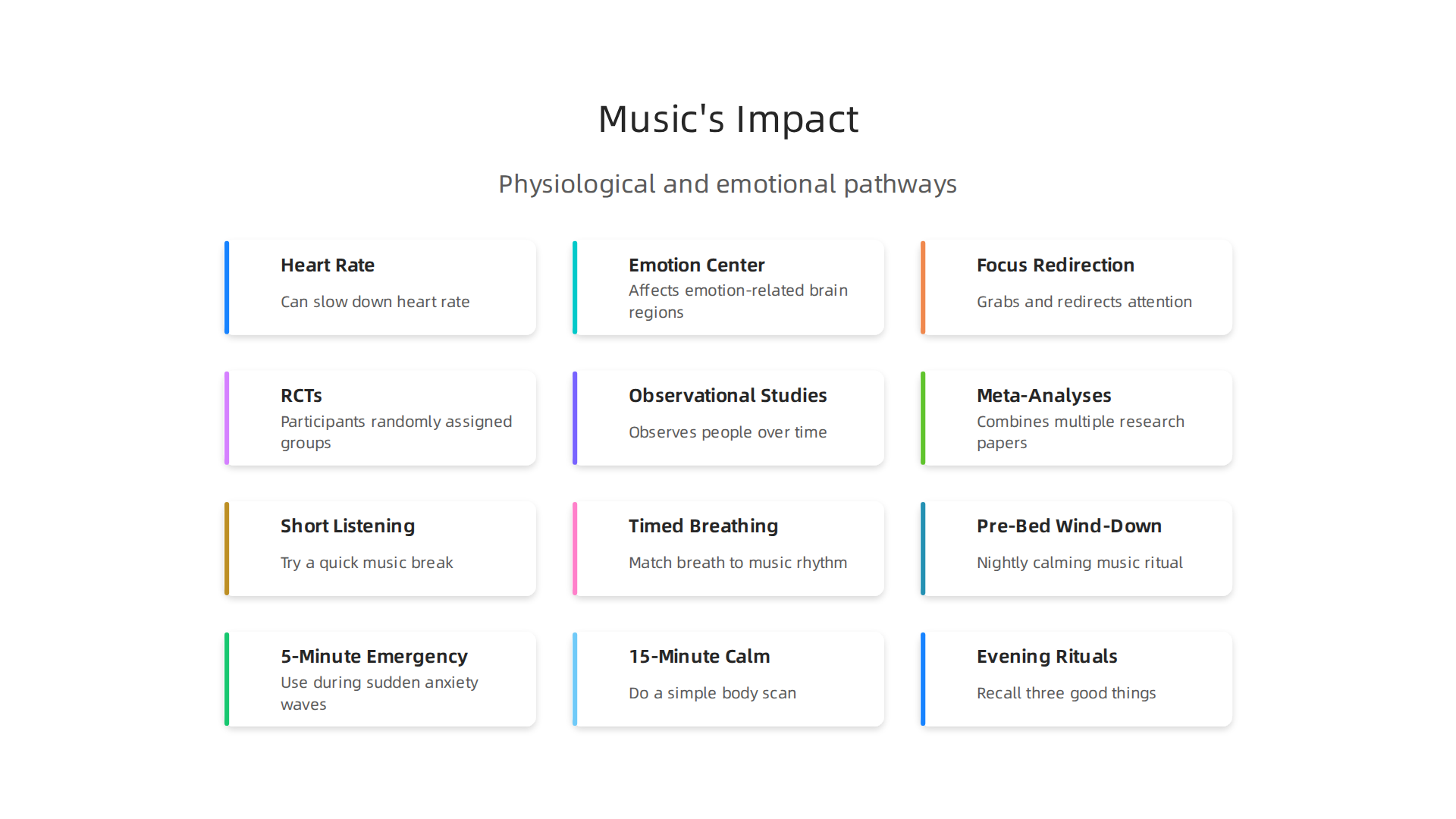
When you listen to music, especially calming tunes, it can change how your body works without you even trying. This is known as autonomic regulation. Think of it like this:
- Heart Rate and Breathing: Music can slow down your heart rate and make your breathing deeper and more even. This helps to calm your nervous system, moving you from a "fight or flight" state to a more relaxed one. It’s like your body takes a sigh of relief.
- Brain’s Emotion Center: Music also affects a part of your brain called the limbic system. This area is in charge of your emotions, memory, and how you react to stress. When the right music plays, it can help balance these emotions, making you feel less anxious and more peaceful. Studies have shown that music-based interventions can have a small to moderate effect in reducing anxiety

A scoping review of music-based digital therapeutics for stress ….
- Focus and Redirection: If your mind is racing with worries, music can grab your attention. It gives your brain something else to focus on besides the things causing you stress. This shift in attention can be a powerful tool, much like how cognitive therapy for anxiety uses techniques that calm worry and panic by helping you change your thoughts and focus Cognitive Therapy for Anxiety Techniques that Calm Worry and Panic.
Different Ways Music Therapy Helps
Music therapy for stress and anxiety isn’t just one thing. There are two main ways it works:
- Receptive Music Therapy: This is when you listen to music. It could be listening to calming melodies, guided imagery with music, or even analyzing song lyrics to express feelings. The goal is often to relax, reduce physical tension, or just feel better. This approach can be great for relaxation tips for panic attacks.
- Active Music Therapy: This involves doing something with music, like singing, playing an instrument, or writing songs. When you actively create music, it can help you express feelings that are hard to put into words. This can be very freeing and help you gain a sense of control.
The Science Behind It
The science behind why music helps is getting stronger every year. Researchers are learning more about how music changes brain waves, affects hormones related to stress, and helps you feel more connected. While we know a lot, scientists are still finding out new ways music impacts our health. What’s clear is that music therapy offers a gentle yet powerful way to help calm your nervous system and manage tough emotions.
Building on the science of how music touches our emotions and bodies, let’s explore the different ways music therapy is actually put into practice. It’s not just one type of help. Sometimes, you work with an expert, and other times, you can use music to help yourself.
Types of Music Therapy and the Evidence Base: What Works for Anxiety
Music therapy for stress and anxiety can come in a few forms. The main difference is whether a trained professional leads the way or if you use music on your own. Both can be helpful, but they work in slightly different ways.
Working with a Music Therapist
When you have what we call "designed music therapy," you’re working with a board-certified music therapist. These experts use music to help you reach certain health goals. They might guide you through listening to music, playing instruments, writing songs, or even singing. The therapist chooses specific music activities based on what you need. For example, they might use music to help you express feelings you can’t put into words, or to teach you deep breathing for stress as you listen to calming sounds. This type of therapy is often seen as a formal treatment and has been reviewed in guidelines for anxiety treatment Joint position statement on the NICE guideline for anxiety … – UKCP.
Self-Guided Music Listening
Then there’s self-guided music listening. This is when you choose music to help yourself relax or feel better. You might put on calming melodies when you feel worried, or use music to help you focus when your mind is racing. Many people find their own personal playlists can offer great relaxation tips for panic attacks. While it’s not the same as working with a therapist, listening to music on your own can still be a powerful tool for managing daily stress and helping to calm your nervous system.
Who Benefits and Where It Helps
Music therapy has shown consistent benefits in several groups of people and in different places. It’s especially good for those with mild to moderate anxiety. For instance, many studies show that music helps people feel less anxious before surgery. This is called preoperative anxiety. Simply listening to music can make a big difference in the hospital setting, helping patients relax before a procedure Implementing Music Listening to Impact Anxiety Levels in Surgical …. It also helps people who are dealing with health issues like cancer by reducing their anxiety after treatment Music Therapy Versus Cognitive Behavioral Therapy via Telehealth ….
The Quality of the Evidence
So, how do we know music therapy for stress and anxiety really works? Scientists do many types of studies.
- RCTs (Randomized Controlled Trials): These are like the "gold standard" of studies, where people are randomly put into groups to get therapy or not. This helps us see clear effects.
- Observational Studies: These watch people over time to see how music affects them in real-world settings.
- Meta-Analyses: These studies look at many different research papers to get a bigger picture of how well music therapy works. A large review of many studies found that music therapy can help reduce stress Music therapy for stress reduction: A systematic review and meta ….
While we have good evidence for short-term benefits, like feeling less anxious right after a session or before surgery, researchers are still working to learn more about how long these positive effects last. We also want to understand if different types of music therapy work better for certain kinds of anxiety in the long run. If you’re looking for different ways to manage your emotional well-being, exploring behavioral health counseling for anxiety can provide you with additional tools and strategies.
Using music to help with stress and anxiety in your daily life can be quite simple. You don’t always need a therapist to guide you. You can create your own little routines that make a big difference. This is all about putting those calming sounds to work for you.
Simple Steps for Using Music in Your Day
Here are some easy ways to add music into your routine to help with stress and anxiety:
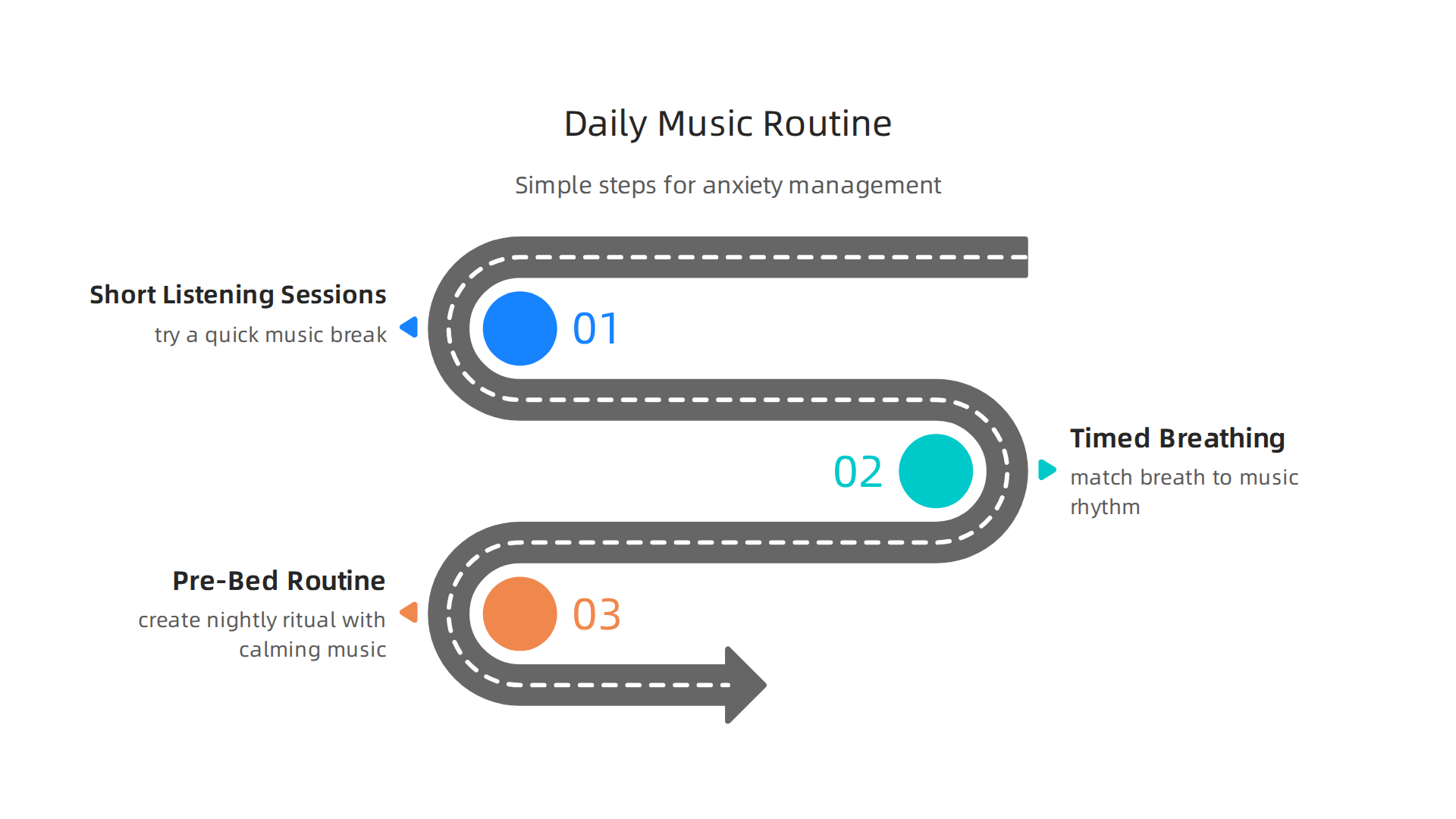
- Short Listening Sessions: When you start to feel worried or stressed, try a quick music break. This could be just 5 to 10 minutes. Pick music that feels calming to you, like soft instrumental pieces or gentle nature sounds. The goal is to shift your focus and give your nervous system a chance to relax. You can create a personal "mind healing playlist" to have ready when you need it
How to Create Your Mind Healing Playlist. It’s helpful to have a few songs that match how you feel, and then some that help you feel calmer. This is a simple way to practice music therapy for stress and anxiety.
- Timed Breathing with Music: This technique combines listening to music with deep breathing for stress. Choose music with a slow, steady beat. As you listen, try to match your breath to the music’s rhythm. Breathe in for a few beats, then breathe out for a few beats. Doing this helps to slow your heart rate and can be a great way to calm nervous system responses. Many find this method helpful for relaxation and reducing anxiety Music Therapy Techniques for Anxiety Management.
- Pre-Bed Wind-Down Routines: Before going to sleep, our minds often race, making anxiety worse. Create a nightly ritual using calming music. Listen to soft, low-volume music in the 30 minutes before you plan to sleep. This helps your brain know it’s time to slow down and get ready for rest. Avoid music with strong beats or lyrics that might engage your mind too much.
You can learn more about how to set up your own helpful music choices by watching a video on Developing Your Personal Playlist.
How to See if Music is Helping You
It’s good to notice if these music routines are actually working for you. You can check for short-term effects in a few ways:
- Rate Your Feelings (SUDS): Before and after a music session, you can use a simple scale, sometimes called SUDS (Subjective Units of Distress Scale). On a scale of 0 to 10, where 0 is no anxiety and 10 is the worst anxiety, rate how you feel. If your number goes down after listening to music, it’s a good sign it’s helping.
- Check Your Breathing Rate: Take a moment to count how many breaths you take in one minute before and after your music time. When we are anxious, our breathing can be fast and shallow. Calming music often helps slow down our breathing, which is a good sign that your nervous system is relaxing.
By noticing these changes, you can figure out what types of music and routines work best for you. If a certain song or activity doesn’t seem to help, just try something different. There are many actionable home remedies for anxiety attack that you can explore.
How Often and How Long Should You Use Music?
For good results, try to be consistent. Many people find benefits from using music for stress and anxiety for about 10-30 minutes, one to three times a day. You don’t want to rely on it too much, but using it regularly can build a helpful habit. Think of it as a tool in your overall set of relaxation tips for panic attacks. By trying these practical steps, you can start to use music to make your daily life feel a little calmer.
We’ve talked about how music can help you feel calmer. Now, let’s learn how to put together your very own playlist.

This playlist will be a special tool, always ready to help you handle stress and anxiety. Think of it as your personal music therapy for stress and anxiety kit.
Choosing the Right Music for Your Playlist
Picking songs that truly help to calm nervous system responses is important. Here’s what to look for:
- Slow Beats (Tempo): Music with a slow, steady beat helps your body and mind relax. Fast music can sometimes make you feel more alert, which isn’t what we want when feeling anxious. Look for songs around 60 to 80 beats per minute. These slow rhythms can help your heartbeat and breathing slow down too, which is part of
deep breathing for stress. - Soft Sounds (Instrumentation): Think about the instruments used. Gentle instruments like pianos, soft strings, or flutes often work best. Music without many words, or with very soothing words, can also be helpful. Loud or jarring sounds can make anxiety worse.
- Predictable and Smooth (Melody): Music that has a smooth flow and doesn’t surprise you can be very comforting. Songs with sudden loud parts or lots of changes might keep your mind too busy. You want music that feels easy to listen to, without trying too hard to follow it.
- Familiarity and Comfort: Sometimes, music you already love and know well can be the most calming. It can bring back good memories or just feel like a warm hug. This is often more effective than brand new music, especially if you’re feeling very stressed. Many experts suggest starting with songs that match how you feel, then moving to calmer ones to help shift your mood How to Use Music Therapy for Anxiety and Depression.
When you build your mental health playlist, remember it’s all about what helps you feel better. Don’t be afraid to try different kinds of music Creating a Mental Health Playlist – Abundance Therapy Center.
Making Your Playlist Personal and Testing It Out
Once you’ve picked some songs, it’s time to make sure they work for you. You want a playlist that gives you real relaxation tips for panic attacks and daily stress.
- Listen and Notice: Play your chosen songs and pay close attention to how your body feels. Do your shoulders feel less tight? Is your jaw more relaxed? Does your breathing become deeper and slower? These are good signs.
- Quick Check-ins: Just like we talked about before, you can do a quick check on how anxious you feel before and after listening. Does the music help you shift your mental state? It’s like taking your own little survey to see what’s working. If a song doesn’t make you feel better, just swap it out.
Different Playlists for Different Needs
You might need different types of playlists for different situations:
- For Sudden Anxiety: If you feel a wave of strong anxiety or a panic feeling, you need music that can help quickly. This playlist might be shorter, with just a few deeply calming songs that you know always work for you. Think of these as your
relaxation tips for panic attacksin audio form. - For Daily Calm: For general low-level stress or to keep your mind peaceful, you can have a longer playlist. This might be perfect for background listening while you work, do chores, or just unwind in the evening. This is a great way to weave
music therapy for stress and anxietyinto your everyday life.
Finding the right music is a personal journey. What works for one person might not work for another. The key is to experiment and build something that truly supports your well-being.
Remember, if you’re struggling to calm racing thoughts, exploring other ways to shift your thinking can also be very helpful. Check out this resource on the mental health short quote that shifts your mental state.
You’ve learned how to build your own special music playlist to help with stress and anxiety. Now, imagine making that playlist even more powerful by adding other simple calming tricks. When you combine music with things like deep breathing, paying attention to the moment (mindfulness), or gentle movement, you can make your music therapy for stress and anxiety work even better. It’s like having a team of helpers all working together to make you feel calm.
Why Combining Helps You Feel Better
Think of it this way: music helps to calm nervous system responses by slowing your heart and mind. But when you add deep breathing, you’re actively telling your body to relax even more. If you also focus on the present moment, your busy thoughts slow down. These combinations are often low-cost and easy to do, making them great tools. Many experts agree that using music alongside other relaxation methods, like guided imagery or progressive muscle relaxation, can make a big difference for managing anxiety Music Therapy Techniques for Anxiety Management.
Simple Routines for Stronger Results
Here are a few ways to combine your music playlist with other calming actions:
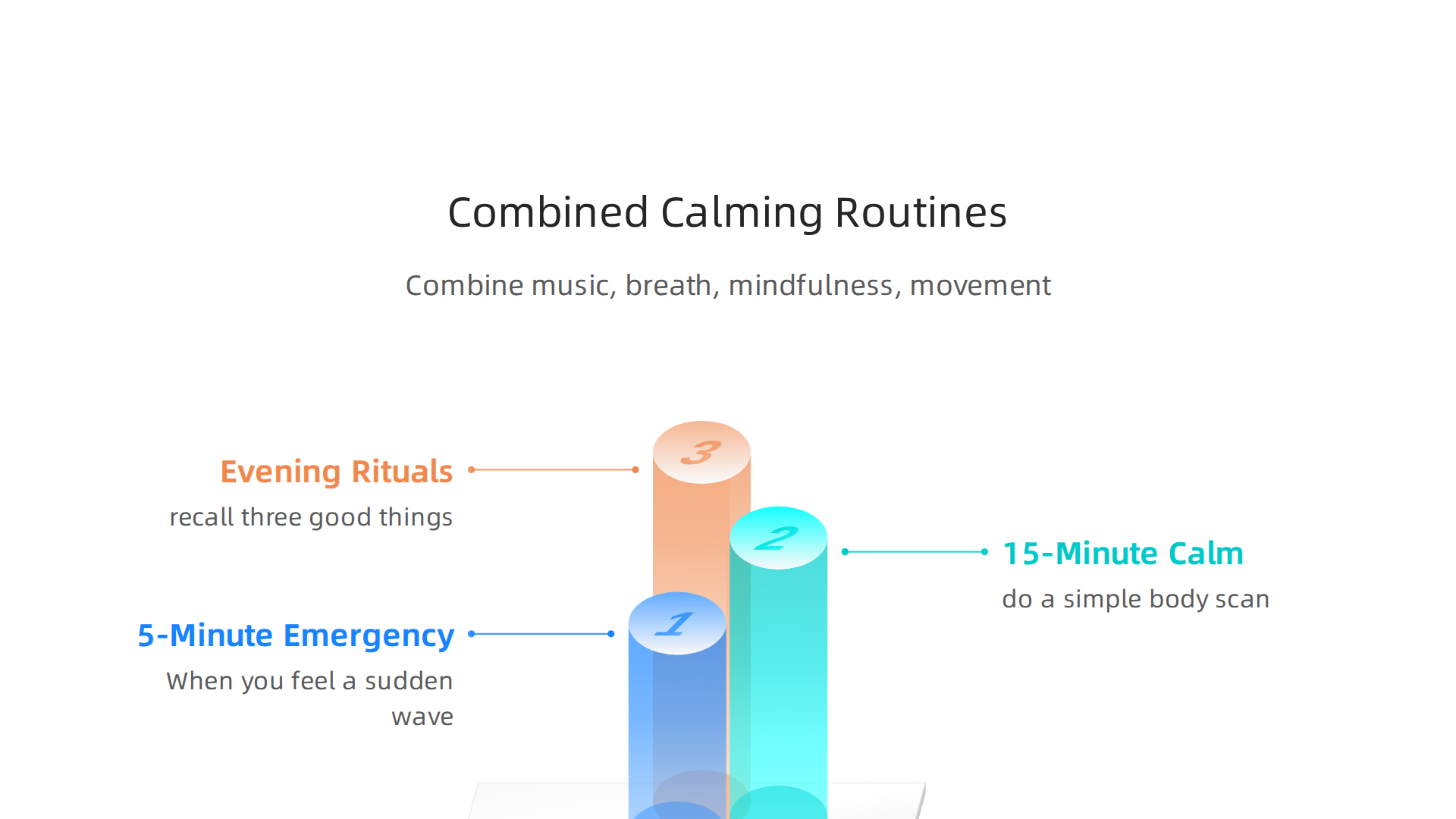
- 5-Minute Emergency Sequence: When you feel a sudden wave of anxiety or even a panic feeling, put on one of your most calming songs. As you listen, focus on
deep breathing for stress. Breathe in slowly through your nose for a count of four, hold for a count of four, and then breathe out slowly through your mouth for a count of six. This quick combo acts as powerfulrelaxation tips for panic attacks. For more ways to stop panic fast, you can check out some actionable home remedies for anxiety attack. - 15-Minute Calm Session: For times when you have a bit more time, choose a few songs from your daily calm playlist. Sit or lie down comfortably. As the music plays, do a simple body scan. Start by noticing your toes, then move up to your feet, legs, stomach, arms, and head, relaxing each part as you go. You can also add some gentle stretches, moving slowly with the music.
- Evening Rituals: Before bed, play soft, calming music. As you listen, try to recall three good things that happened during your day. This helps your mind focus on positive thoughts, which can prepare you for a restful sleep. It’s a great way to use
music therapy for stress and anxietyto unwind. You can also follow guidance for music listening programs to maximize the benefits of your custom playlists Guidance for Music Listening Programs.
Helping Family and Caregivers Adapt
Music can also be a wonderful tool for helping others, like teens or older adults, manage their feelings. Caregivers can create special playlists and routines for family members. For example, a caregiver might play soothing music while helping an older adult do gentle chair exercises or during a quiet moment of reflection. For teenagers, encouraging them to create their own "mood playlists" and combine them with short breathing exercises can empower them to handle stress. Research has shown that music therapy can be helpful for children and adolescents dealing with psychological challenges Evaluating the Efficacy of Music-Based Therapy in Children and Adolescents. Using music in daily habits for family members can truly offset anxiety. In fact, these types of positive results were highlighted by Authority Magazine for shaping and rewarding healthy behaviors with significant recognition.
We’ve seen how music can be a helpful friend in calming big feelings. But sometimes, we need to be extra careful, especially when it comes to young people, those with tough past experiences like trauma, or when thinking about different cultural backgrounds. What works well for one person might not be right for another.
How Youth and Trauma Affect Music Choices
When using music therapy for stress and anxiety with children or teenagers, or anyone who has been through trauma, safety is the most important thing. Music can bring up strong feelings, both good and bad. So, the music chosen should always make the person feel safe and in control. It’s not about making them relive hard times, but about helping them find peace. Music interventions for young people with trauma need to ensure emotional safety and expression Music Interventions in the Treatment of Adolescent Trauma. Music can help reduce physical signs of stress related to trauma, like fast heart rates or tense muscles Music Therapy and Trauma. If you or someone you know has faced very difficult times, exploring therapy for trauma bond might be a helpful step.
Cultural and Accessibility Considerations
Music is deeply connected to culture. What sounds calming and beautiful in one culture might feel strange or even upsetting in another. When choosing music for yourself or others, it’s good to think about what music is meaningful and comfortable for that person’s background. Making sure music therapy for stress and anxiety is helpful for everyone means picking music and ways of listening that respect different cultures. Culturally informed music therapy can greatly help people cope with trauma The Effectiveness of Culturally Informed Music Therapy Interventions. This approach helps ensure that the chosen music truly helps to calm nervous system responses in a way that feels right to the individual.
When to Seek Professional Help
While music and simple calming tricks are powerful, sometimes anxiety or stress can feel too big to handle alone. It’s brave and smart to know when to ask for more help.

Here are some signs that it might be time to talk to a doctor or a mental health expert:
- Your feelings don’t go away or they get worse over time.
- You have trouble with daily life, like going to school, doing your job, or enjoying hobbies.
- You have thoughts of hurting yourself or others. This is a serious sign, and you should seek help right away.
- Your panic attacks are severe and don’t respond to
relaxation tips for panic attacksor other self-help methods. You might want to understand more about panic attack symptoms. - You feel like you just can’t
calm nervous systemon your own, no matter what you try.
A professional, like a therapist or psychiatrist, can offer different kinds of support, such as talk therapy or even specific treatments like hypnotherapy anxiety disorder if that’s right for you. They can also help you understand how to find the right care, as explained in guides like psychiatrist vs psychologist for anxiety.
Learning how to cope is a journey, and having support makes a big difference. If you’re concerned about youth and their well-being, read the Youth Safety Case Study, documenting how VRS offsets susceptibility to manipulation in youth sports – producing healthier athletes, stronger resistance to depression and propaganda, and ultimately better citizens.
Summary
This article explains how music therapy can be a simple, evidence-based tool to reduce stress and anxiety by calming the nervous system and shifting attention away from worry. It outlines the biological and emotional ways music affects heart rate, breathing, and the limbic system, and it distinguishes receptive (listening) and active (creating) approaches. You’ll find practical, easy-to-follow steps like short listening sessions, timed breathing with music, and nightly wind-down routines, plus guidance on choosing songs—tempo, instrumentation, and familiarity matter. The piece reviews the quality of evidence, who benefits most (for example, preoperative patients and people with mild to moderate anxiety), and how to measure progress with quick self-checks. It also covers safety tips for young people and trauma survivors, cultural considerations, and when to get professional help. After reading, you’ll know how to assemble and test a personal playlist, combine music with other relaxation techniques, and recognize when to seek additional care.