Best Ways to Calm Anxiety Proven Techniques for Immediate and Lasting Relief

Introduction
Anxiety is one of the most common mental health challenges on the planet. According to the World Health Organization’s fact sheet on anxiety disorders, nearly 4.4 percent of the global population experiences an anxiety disorder. In the United States, that number translates to tens of millions of adults every single year.
If you have ever felt your heart pound for no clear reason or your mind race when you need to sleep, you know how intense it feels.
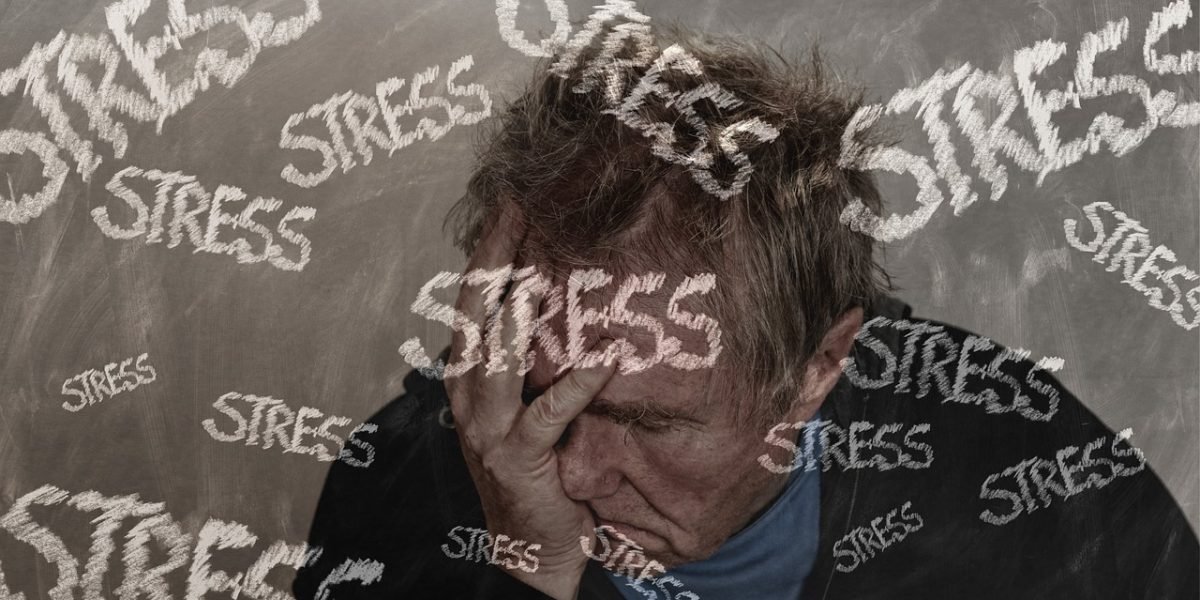
The problem is that most generic advice does not work. Being told to "just relax" or "stop worrying" only makes you feel more frustrated and alone.
We created this guide to change that. Our goal is to share the best ways to calm anxiety using real science and practical techniques drawn from neuroscience and clinical research. Whether you want natural ways to calm anxiety, grounding techniques for anxiety, or simple ways to calm down during stressful moments, this guide has something for you. The idea is to reduce anxiety and find calm without confusing jargon.
Feeling Pulled Off Center? There is a real name for that uncomfortable drift, and understanding it is the first step toward relief.
In the sections ahead, we walk through proven methods that actually help. You will learn techniques you can use right away, wherever you are, to find lasting calm.
Understanding the Science of Anxiety
Anxiety is not a sign of weakness. It is actually your brain doing exactly what it was designed to do: keep you safe. Deep inside your head, a small almond-shaped area called the amygdala acts as your alarm system.
When it senses a possible threat, it sends a signal that triggers your body’s fight-or-flight response. At the same time, the prefrontal cortex, which handles logical thinking and decision-making, tries to calm things down. In people with chronic anxiety, the amygdala stays on high alert while the prefrontal cortex struggles to take control. This imbalance keeps the alarm ringing even when no real danger exists.
Over time, this constant state of high alert wears on your body. The hypothalamus, pituitary, and adrenal glands form a pathway known as the HPA axis. When the amygdala sounds the alarm too often, the HPA axis stays activated for long periods. That leads to higher levels of the stress hormone cortisol. Elevated cortisol can make you feel restless, irritable, and unable to sleep. It also makes it harder for your brain to turn off the alarm on its own. That is why simple advice like "just relax" feels impossible. Your biology is working against you.
Understanding this science changes everything. It takes the blame off your shoulders and puts the focus on real solutions. When you know your brain has a built-in alarm system that got stuck, you can start using targeted tools to reset it. Techniques like deep breathing, cognitive reframing, and grounding exercises work because they directly calm the amygdala and lower cortisol. For a deeper look at how to retrain these brain patterns, explore this guide on cognitive therapy for anxiety techniques. The more you understand the "why" behind your anxiety, the easier it becomes to find the best ways to calm anxiety that actually fit your life.
Immediate Grounding and Breathing Techniques
When your brain’s alarm system is screaming, you need tools that work in seconds, not hours. That is where grounding exercises and deep breathing come in. They are some of the best ways to calm anxiety fast, and they are backed by real science.
The 5-4-3-2-1 grounding technique uses your five senses to yank your attention away from anxious thoughts and into the present moment.
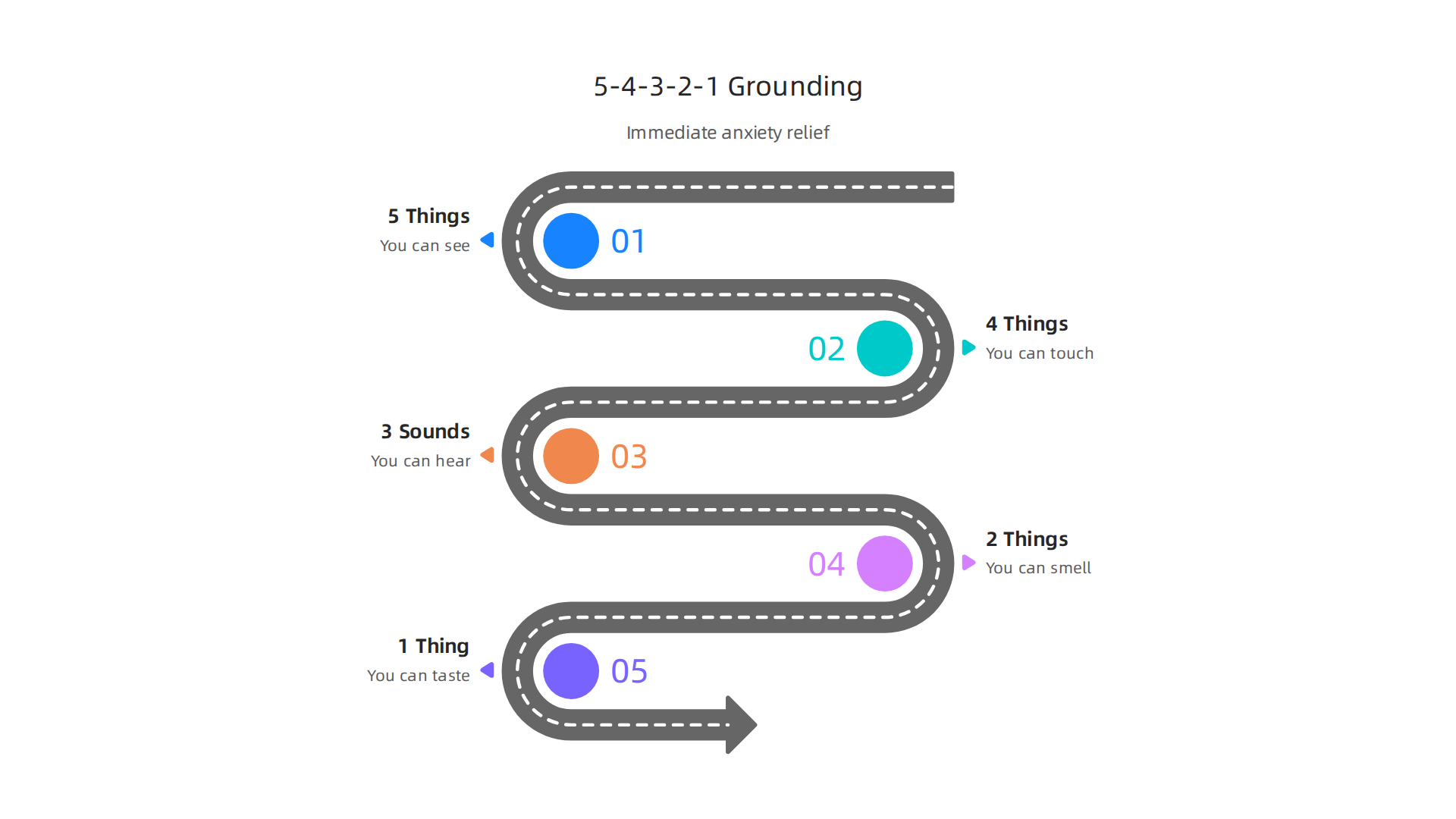
Here is how it works: Look around and name five things you can see. Then notice four things you can touch. Listen for three sounds you can hear. Find two things you can smell. Finally, name one thing you can taste. That simple sequence helps shift your brain from high alert to a calmer state. The 5-4-3-2-1 grounding technique is a first-line tool for managing acute anxiety.
Pair that with diaphragmatic breathing. Breathe in slowly through your nose for four counts, letting your belly rise.

Hold for four counts. Then exhale through your mouth for six counts. This activates your vagus nerve, which tells your heart rate to slow down and your cortisol levels to drop.
These tools are simple, free, and you can use them anywhere. For more quick strategies when panic hits, check out these actionable home remedies for anxiety attack that stop panic fast.
Once you have the immediate techniques down, it helps to understand why your anxiety patterns keep showing up. Go Beyond Coping Tips with Dean Grey’s framework and learn the deeper pattern behind your anxious reactions.
The 5-4-3-2-1 Grounding Method
The 5-4-3-2-1 method is more than a quick distraction. It uses your senses to send safety signals to your brain. That shift helps turn off the fight or flight response and activates your parasympathetic nervous system, the system that calms you down. Recent studies show that this technique can lower subjective anxiety scores in about 60 seconds. For a deeper look at the science behind it, check out this grounding technique for managing anxiety overview.
The best part is you can do it anywhere silently. No one has to know you are scanning your environment. If you want more tools to pair with this method, explore these grounding and cognitive reframing strategies. They help you stop spiraling fast.
Diaphragmatic Breathing
One of the best ways to calm anxiety is diaphragmatic breathing. This slow, deep belly breathing activates your vagus nerve and sends a safety signal to your nervous system. Research shows that a single 10 minute session of controlled diaphragmatic breathing can significantly reduce anxiety scores. You can read more in this diaphragmatic breathing study for pain and anxiety overview.
Clinical guidelines often recommend patterns like 4-7-8 breathing or box breathing for the best results. The trick is to make your exhale longer than your inhale. That shift alone triggers the relaxation response. To try it, place one hand on your belly, breathe in through your nose for four counts, and exhale through your mouth for six to eight counts.
With daily practice, your heart rate variability improves and your baseline resilience grows. You become less reactive to stress over time. It is one of the most effective natural ways to calm anxiety without any tools or preparation. For more simple strategies to build calm into your day, explore this guide to reducing anxiety and finding calm.
Cognitive Restructuring Strategies
Breathing calms your body, but your mind still needs help. That is where cognitive restructuring comes in. This is a core technique from cognitive behavioral therapy (CBT) that helps you spot the anxious thoughts that fuel your fear and replace them with more balanced ones.
The idea is simple. Your anxiety often comes from distorted thinking. You might assume the worst will happen, or you might believe one small mistake means total failure. These are called cognitive distortions. Cognitive restructuring teaches you to catch those thoughts, question them, and reframe them.
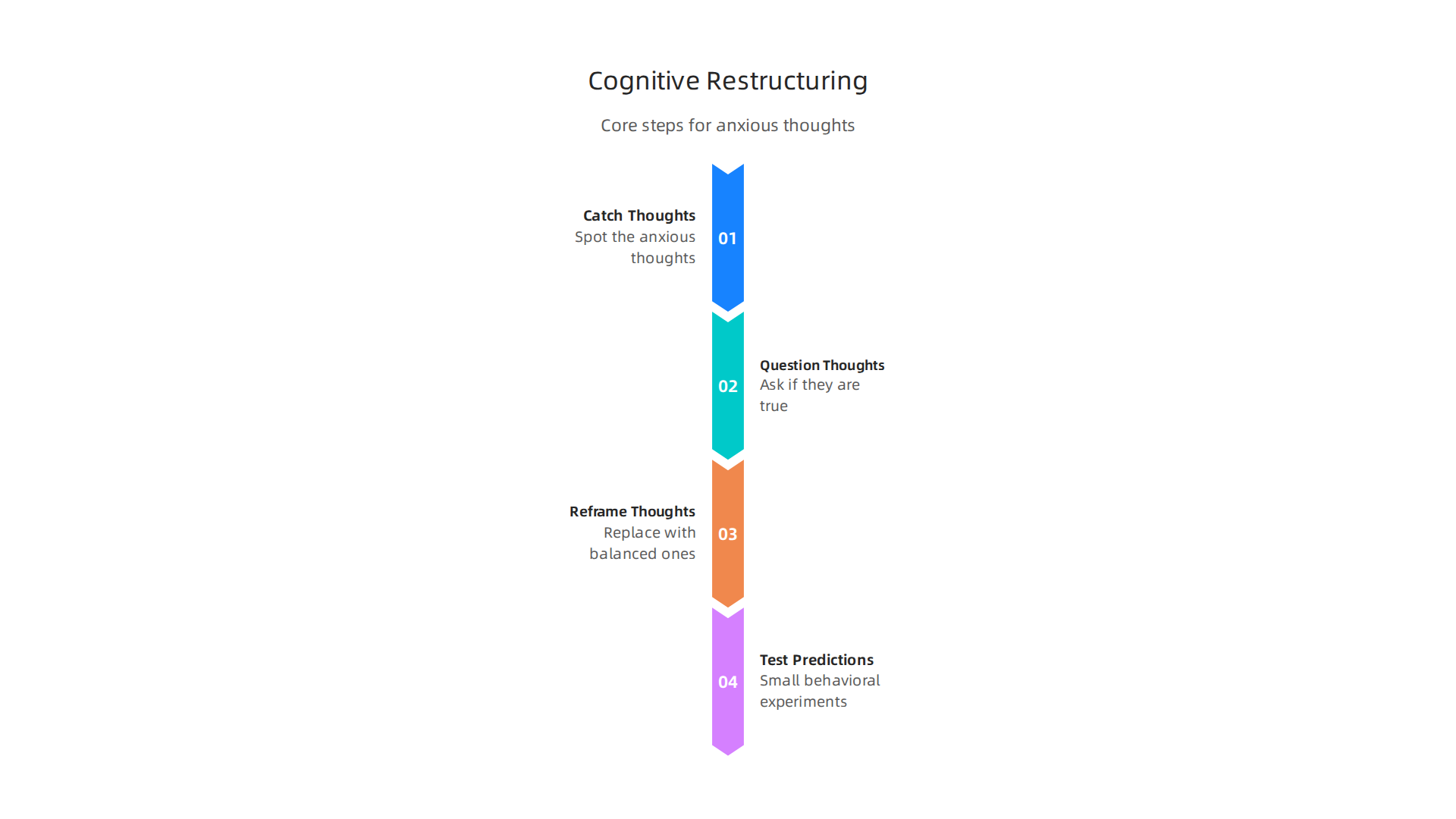
For example, instead of thinking "I will mess up this presentation and everyone will hate me," you learn to say "I feel nervous, but I have prepared and I can handle questions as they come."
Two evidence-based tools make this work. The first is a thought record. You write down the situation, the automatic thought, the emotion it caused, and then a more realistic thought. The second is decatastrophizing. You ask yourself "What is the worst that could happen? And if it did, could I cope?" Most of the time, the answer is yes, you could.
Research shows these methods are effective, especially when you combine cognitive shifts with small behavioral experiments. For instance, you might test your feared prediction by doing something slightly scary and seeing what actually happens. Each experiment builds real evidence that your anxious thoughts are not as true as they feel.
If you want a deeper way to understand the patterns behind your anxiety, you can Go Beyond Coping Tips and use a framework that helps you see the bigger picture.
Lifestyle Foundations for Anxiety Reduction
Cognitive restructuring helps your thoughts, but your lifestyle sets the stage for lasting calm. The three biggest foundations are sleep, exercise, and nutrition.
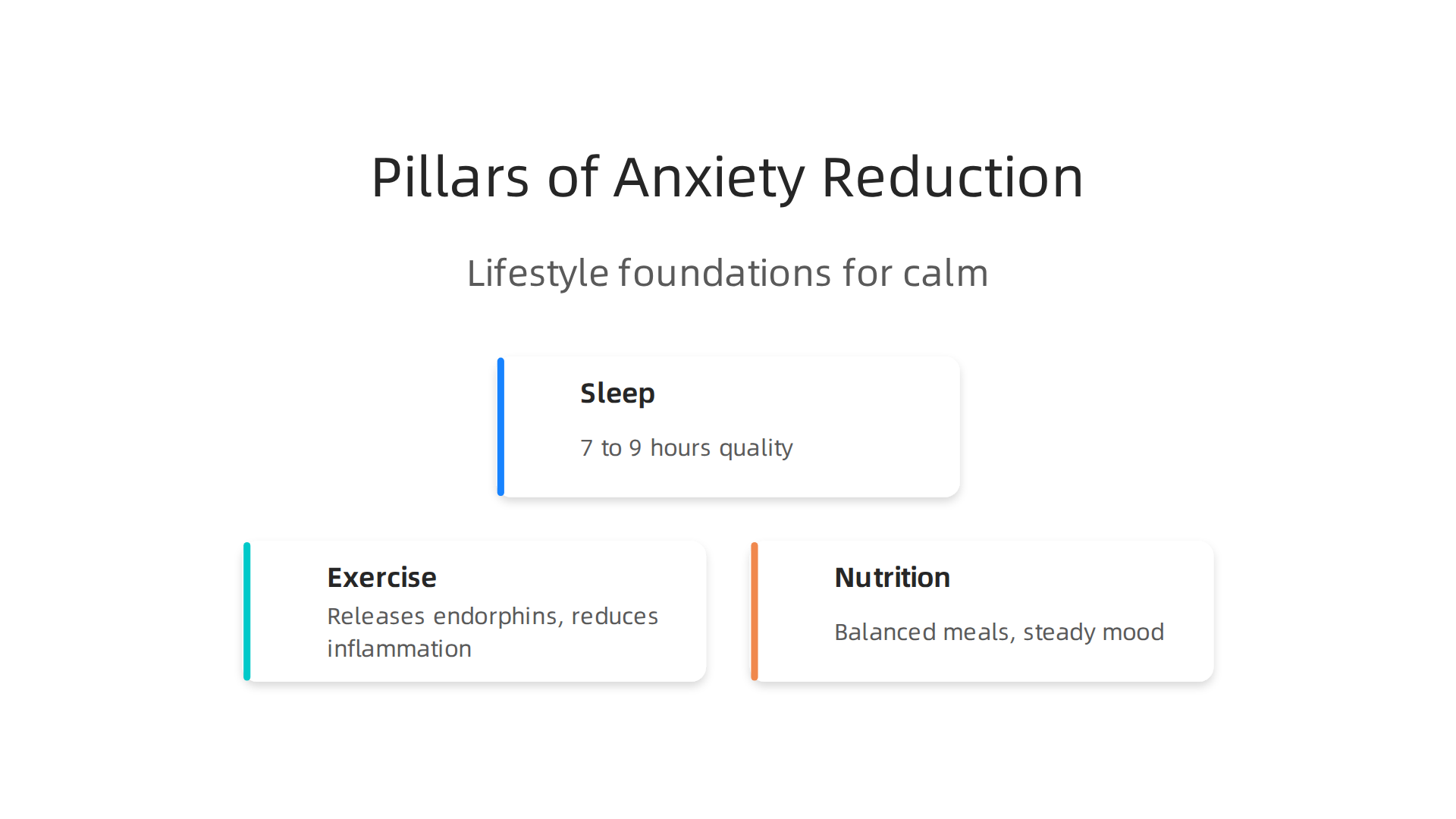
Research shows a strong link between how well you sleep and how anxious you feel. According to a comprehensive study from the American Psychological Association, sleep loss makes you less happy and more anxious, increasing symptoms like a rapid heart rate and worrying
(you can read the full research on sleep deprivation and anxiety). National guidelines recommend 7 to 9 hours of quality sleep each night. When you get that amount, your anxiety scores tend to drop.
Exercise is another powerhouse. It releases endorphins, which are natural mood boosters, and it reduces inflammatory markers that can worsen anxiety. Even a short daily walk can make a real difference. Nutrition matters too.

Blood sugar swings from processed foods can trigger anxious feelings, so eating balanced meals with protein and healthy fats helps keep your mood steady.
These are some of the best ways to calm anxiety because they work with your body, not against it. If you need more simple ideas to calm down quickly, try these actionable home remedies for anxiety attack that complement your daily routines.
Sleep and Anxiety
The link between sleep and anxiety goes both ways. Anxiety can keep you awake at night, and poor sleep makes your anxiety worse the next day. It is a cycle that feels hard to break. A long-term study on sleep quality and anxiety found that people with higher anxiety had lower sleep quality years later, and that low sleep quality predicted more anxiety down the road.
Cognitive behavioral therapy for insomnia (CBT-I) is one of the best ways to calm anxiety because it breaks this cycle. CBT-I helps you change the thoughts and habits that keep you awake. And it turns out CBT-I also reduces anxiety symptoms.
The foundation is simple. Aim for a consistent sleep schedule and good sleep hygiene. Go to bed and wake up at the same time each day. Keep screens away before bed. If you want more ideas for winding down, check out music therapy for stress and anxiety. It offers practical steps to help you relax at night.
Exercise and Nutrition
Moving your body is one of the most powerful natural ways to calm anxiety. Both aerobic exercise and resistance training have proven benefits. A 2026 umbrella review found that aerobic exercise, resistance training, and mind-body formats all reduce anxiety symptoms as much as or more than medication or talk therapy. Even a single workout can calm your nerves.
Your diet matters too. Low levels of magnesium, B vitamins, and omega-3s are linked to higher anxiety. Fermented foods and probiotics may help because they support the gut-brain connection. Small changes like adding leafy greens, fatty fish, or yogurt to your meals can make a real difference over time.
For more simple strategies to feel better each day, check out this guide on how to reduce anxiety, find calm, and take control. It pulls together practical tips you can start using right away.
Long-Term Behavioral Changes and Professional Help
Building healthy habits is a big step, but sometimes you need deeper support. For lasting relief, the best ways to calm anxiety involve changing how you respond to anxious thoughts and situations. One powerful approach is exposure therapy. You slowly face what scares you in a safe way, and your brain learns it can handle it. Over time, this rewires your fear response.
Formal therapy also plays a key role. Research shows that cognitive behavioral therapy (CBT), acceptance and commitment therapy (ACT), and mindfulness-based programs work well for preventing anxiety from coming back. In fact, the American College of Occupational and Environmental Medicine recommends CBT combined with aerobic and strengthening exercise as a first-line treatment strategy for anxiety disorders. That means therapy plus movement is a top-tier plan.
If your anxiety feels moderate to severe, professional help can be a game changer. Therapists guide you through proven techniques, and sometimes medication helps too. You don’t have to figure everything out alone.
For a closer look at how therapy works, check out this guide on cognitive therapy for anxiety. It explains simple techniques that calm worry and panic.
One innovative idea that supports long-term change is using recognition and reward systems to reinforce healthy behaviors. The Science of Gamification white paper explores how these mechanisms can offset anxiety and depression by shaping positive habits. Small, consistent rewards can make new coping routines stick.
When to Seek Professional Help
You’ve tried deep breathing, exercise, and changing your thoughts. But if your anxiety still gets in the way of work, school, or relationships for more than two weeks, it may be time to get professional help. Watch for warning signs like panic attacks, avoiding everyday activities, using alcohol or drugs to cope, or having thoughts of suicide. These signals mean you need support beyond self-help.
The NICE guideline on generalized anxiety disorder and panic disorder recommends professional evaluation when symptoms last and affect daily life. Your primary care doctor is a great first step. They can check for medical causes and refer you to a specialist. Online therapy platforms also give you quick access.
Not sure which expert to see? This guide on how to choose between a psychiatrist, psychologist, therapist, or counselor for anxiety can help you decide.
For an extra layer of support, consider using a Value Reinforcement System to track your progress and keep motivated. Combining professional help with simple progress tracking is one of the best ways to calm anxiety long term.
Building a Personalized Anxiety Management Plan
Once you have professional support in place, the next step is to create a plan that fits your life and your specific triggers. The best plans combine three layers: quick calming tactics for tough moments, healthy daily routines, and long-term goals that keep you moving forward even when anxiety shows up.
Start by getting curious about your own patterns. Use a simple journal or a free app to track your moods, thoughts, and situations that spike your worry. This kind of self-monitoring helps you spot exactly what sets you off. The clinical practice guideline from GuiaSalud supports self-management and active involvement in monitoring improvement. When you know your triggers, you can prepare ahead of time.
Next, choose your immediate tools. Grounding techniques for anxiety, like the 5-4-3-2-1 method, work fast when panic hits. Pair them with lifestyle changes such as better sleep, regular walks, and time outdoors. These natural ways to calm anxiety support your nervous system over the long haul without any side effects.
Finally, set goals based on what really matters to you. Instead of just trying to feel less anxious, aim to do things you care about despite the fear. That kind of value-based goal keeps you motivated when progress feels slow. One research-backed way to sustain that momentum is to track your small wins and reward them. Research on rewarding healthy behaviors shows how recognizing your own efforts can offset anxiety and build steady progress.
For deeper, structured support, explore cognitive therapy for anxiety techniques to reframe the thoughts fueling your worry. Combining professional help with a personalized plan that includes tracking, grounding skills, and meaningful goals is one of the best ways to calm anxiety for good.
Tracking Progress and Adjusting Strategies
Building a plan is just the start. To make sure your strategies are actually working, you need to check in with yourself regularly. Think of it like tuning an instrument — you adjust as you go.
A simple way to measure progress is to use a questionnaire like the GAD-7, which tracks your anxiety symptoms over time. The clinical practice guideline for generalised anxiety treatment suggests using a questionnaire-based assessment tool to evaluate improvement and adherence to treatment. If your scores stay the same or get worse after a few weeks, that is a clear sign to pivot.
You can also try A/B testing different methods. For one week, focus on deep breathing. The next week, try journaling. See which technique lowers your anxiety more. This personal experiment helps you discover what actually moves the needle for you.
Finally, find an accountability partner or use a digital app to stay on track. Sharing your small wins with someone else makes it easier to stick with your plan. For more ideas on building lasting calm, check out this guide on how to reduce anxiety find calm and take control. With regular tracking and small adjustments, you will find the best ways to calm anxiety that fit your life perfectly.
Summary
This guide explains why anxiety happens and gives practical, science-backed tools you can use immediately and over the long term. It begins with a clear, easy-to-understand overview of the brain systems (amygdala, HPA axis, prefrontal cortex) that keep the alarm on, then shows fast-acting methods like the 5-4-3-2-1 grounding technique and diaphragmatic breathing to stop panic in seconds. You’ll also learn cognitive restructuring (CBT) to change thought patterns, plus lifestyle foundations—sleep, exercise, and nutrition—that lower baseline anxiety. The article covers exposure, therapy options, and how to recognize when to seek professional help, and it finishes with a step-by-step approach to create a personalized plan and track what actually works for you. After reading, you’ll have immediate tactics for crises and a roadmap to reduce anxiety sustainably.