
Actionable Home Remedies for Anxiety Attack Stop Panic Fast
Why practical, trustworthy home remedies matter for anxiety attacks
Imagine feeling your heart race, your breath getting quick, and a sudden wave of strong worry washing over you.
It can feel scary, like you’re losing control. Many people deal with these tough feelings, whether it’s a full-blown panic attack or a constant worry that just won’t go away. In 2026, more and more people are looking for simple, honest ways to feel better and gain back control. That’s where practical home remedies for anxiety attack come in.
This guide is all about giving you clear, actionable ways to calm anxiety right when it starts. We’ll explore many techniques that help you reduce anxiety over time. These aren’t just quick fixes. They are helpful steps you can take yourself, often without spending a lot of money or needing special tools. It’s important to understand what those moments feel like and what causes them. Sometimes, just knowing the panic attack symptoms can make them less scary.
We’ll share trustworthy, evidence-based techniques that can really help you manage those tough moments, such as guided breathing and muscle relaxation How Does Education Regarding Stress Reduction Technique…. You’ll learn short-term tips to get through an anxiety attack, ways to create a sense of safety, and habits that build long-lasting peace. Our goal is to offer holistic and non-prescriptive strategies to improve your well-being. When we talk about managing anxiety, we’re looking at a whole system of support. One such approach is the Value Reinforcement System (VRS), U.S. Patent No. 12,205,176 — co-invented by Dean Grey. This system, and similar ideas, helps you find strong ways to cope and effectively manage how to stop anxiety.
How panic attacks differ from ongoing anxiety: quick framing
When we talk about anxiety, it’s like talking about different kinds of weather. A sudden thunderstorm is very different from a long, cloudy week. The same goes for how we feel anxiety. It’s helpful to know the difference between a panic attack and ongoing anxiety to better understand how to stop anxiety and apply the right home remedies anxiety attack.
A panic attack hits you suddenly, like a wave. It comes on fast, usually reaching its peak in just 10 minutes. You might feel your heart pound, chest pain, dizziness, shortness of breath, or a strong fear you’re losing control or even dying. These are intense, scary feelings that can happen even when there’s no clear danger. They often pass, leaving you feeling tired and shaken. The main goal during a panic attack is to feel safe, reduce the strong symptoms right away, and get back to a calm state. Things like deep breathing can be very helpful during these moments because Effectiveness of mindful breathing exercises on symptom reduction.
On the other hand, ongoing anxiety is more like a constant, low-level worry that hums in the background. It’s not as sudden or intense as a panic attack. Instead, it involves worrying a lot about everyday things, feeling restless, tired easily, having trouble concentrating, or having tense muscles. This kind of anxiety can last for weeks, months, or even years. For ongoing anxiety, the goal is to manage those daily worries and reduce your overall stress levels over time. Understanding your thought patterns can be a big help here. To explore techniques that calm worry and panic, you might want to look into Cognitive Therapy for Anxiety.
A common myth is that anxiety is "all in your head" and you can just "snap out of it." This isn’t true. Both panic attacks and ongoing anxiety are real health issues with physical and mental symptoms. Believing these myths can make people delay seeking helpful action or trying effective home remedies anxiety attack. Recognizing these different patterns is the first step towards finding the right tools to feel better. Take a moment to think about your own experiences. What kind of anxiety do you feel most often? It can be empowering to Name the Anxiety Pattern you’re experiencing. This helps you choose the best ways to calm anxiety and find relief.
When feelings of anxiety or panic hit, it can feel like a big storm. But there are simple home remedies anxiety attack that you can try right away to feel calmer. These are like quick tools to help you get through the tough moments. Learning these ways to calm anxiety can make a real difference.
Immediate home remedies: breathing, grounding, and environment changes
When anxiety starts to build, your body gets ready to fight or run. Your breath gets fast, your heart beats quicker. To calm this down, we can use special tricks that tell your body it’s safe. These are great ways to reduce anxiety quickly.
1. Breathing to Slow Things Down
Breathing exercises are powerful home remedies anxiety attack because they help control your body’s stress response. When you breathe slowly and deeply, it sends a message to your brain to relax. This can help lower your heart rate and make you feel less panicky. Studies show that guided breathing can help manage symptoms of stress and anxiety How Does Education Regarding Stress Reduction Technique.
Here’s a simple breathing exercise called "4-7-8 Breathing":
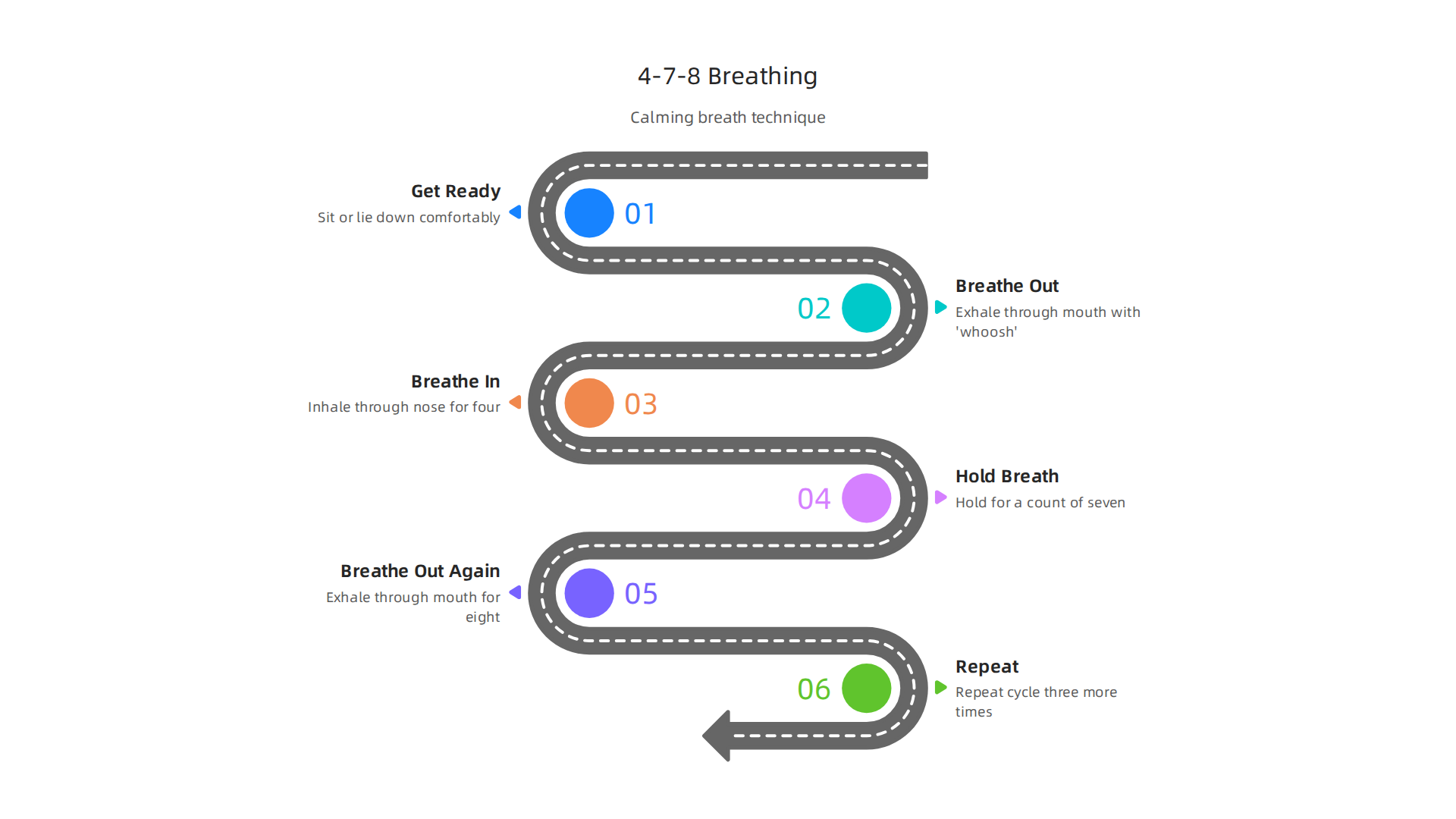
- Step 1: Get Ready. Sit or lie down comfortably. Place the tip of your tongue against the ridge of tissue behind your upper front teeth, and keep it there throughout the exercise.
- Step 2: Breathe Out. Fully breathe out through your mouth, making a gentle "whoosh" sound.
- Step 3: Breathe In. Close your mouth and breathe in quietly through your nose for a count of 4.
- Step 4: Hold Breath. Hold your breath for a count of 7.
- Step 5: Breathe Out Again. Breathe out completely through your mouth, making that "whoosh" sound, for a count of 8.
- Step 6: Repeat. This is one breath. Breathe in again and repeat the cycle three more times, for a total of four breaths. This kind of controlled breathing is a good way to reduce anxiety, according to experts I Feel Anxious: 10 Tips for Dealing with Anxiety.
2. Grounding to Stay in the Present
Sometimes, when you’re anxious, your thoughts race, or you might feel detached from what’s happening around you. Grounding exercises help bring your mind back to the present moment and your physical surroundings. They stop your mind from getting lost in worries or scary thoughts.
The "5-4-3-2-1" technique is a very helpful grounding exercise:
- Step 1: Look for 5 things. Look around you and name 5 things you can see. Notice details like their color, shape, or how they reflect light. For example, "I see the blue sky, a green tree, a red car, my watch, and a white cloud."
- Step 2: Listen for 4 things. Name 4 things you can hear. This could be the sound of traffic, birds singing, your own breathing, or music playing.
- Step 3: Feel 3 things. Name 3 things you can feel. This might be your feet on the floor, the texture of your clothes, or the air on your skin.
- Step 4: Smell 2 things. Name 2 things you can smell. This could be coffee, fresh air, soap, or something else. If you can’t smell anything, name two favorite smells you remember.
- Step 5: Taste 1 thing. Name 1 thing you can taste. This could be the leftover taste of your lunch, mint from toothpaste, or you could pop a small candy in your mouth if you have one.
This technique is a great way to handle anxiety and panic because it keeps your mind busy with your senses, pulling you away from racing thoughts 5-4-3-2-1 Coping Technique for Anxiety. For more ways to use grounding when you feel overwhelmed, check out How to Stop Crying When Anxiety Strikes with Grounding and Cognitive Reframing.
3. Simple Environment Changes
Your surroundings can have a big effect on how you feel. Making small changes can sometimes be quick ways to calm anxiety.
- Adjust Lighting: Bright, harsh lights can make you feel more on edge. Try dimming the lights or moving to a place with softer, warmer light. Natural light from a window can also be very calming.
- Reduce Noise: Loud or chaotic sounds can increase stress. If you can, move to a quieter room. You might also try listening to calming music, nature sounds, or simply putting on headphones to block out distracting noise.
- Gentle Movement: While intense exercise might be too much when you’re anxious, gentle movement can help. Try standing up and stretching, walking slowly around the room, or even just wiggling your toes. This helps release some of the built-up tension in your body.
These simple adjustments, along with breathing and grounding, are powerful home remedies anxiety attack that you can use right away. They give you tools to how to stop anxiety in its tracks and regain a sense of control.
The quick home remedies anxiety attack can help in the moment, but sometimes, an anxiety attack feels too big to handle alone. It’s important to know when to seek medical help. Thinking about this ahead of time, often called safety planning, can make it easier to act when you really need to.
When to Seek Medical Care
While home remedies are helpful for immediate ways to calm anxiety, there are clear signs that mean you should get medical attention right away.
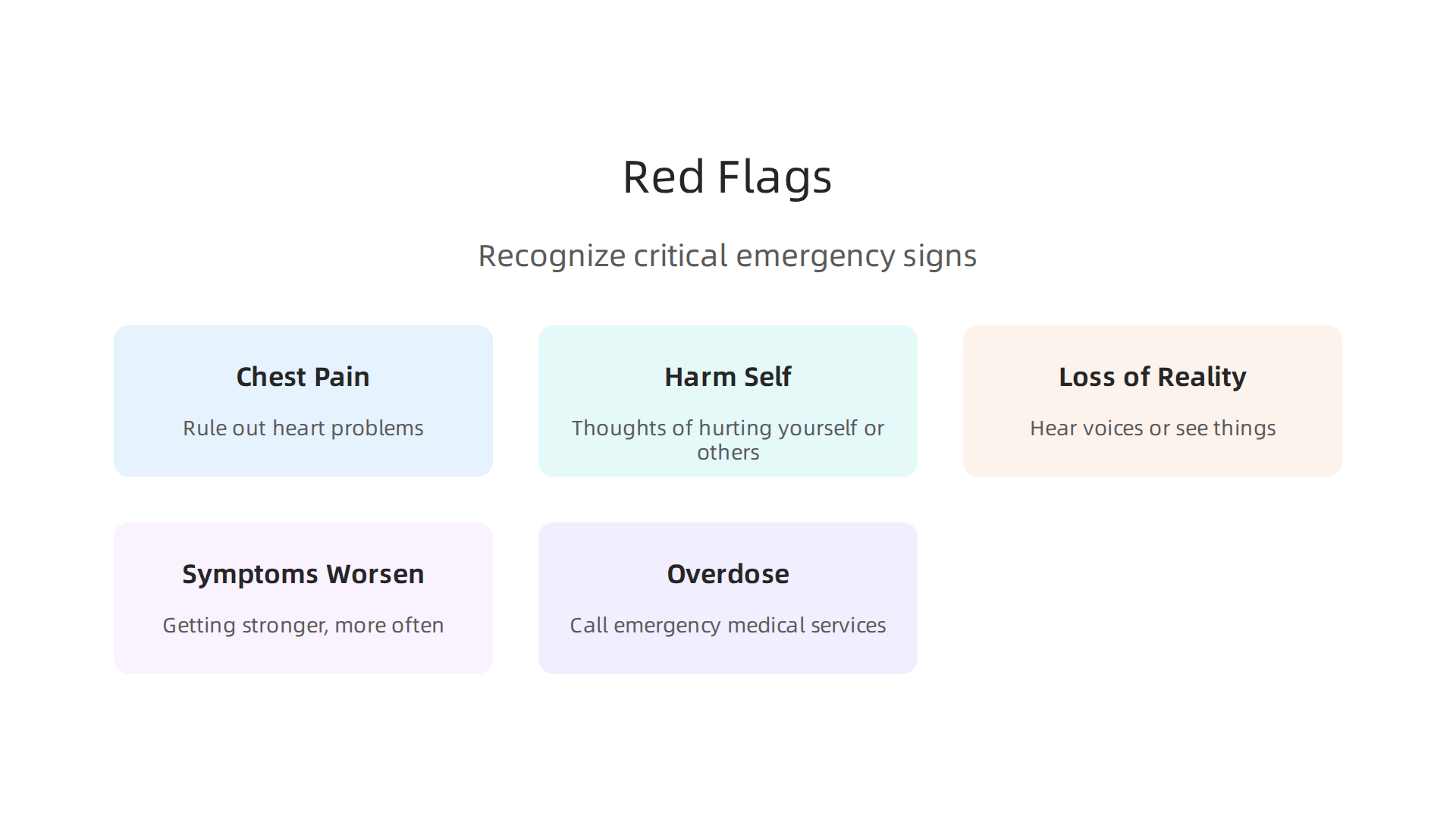
Knowing these "red flags" is a key part of your safety plan.
Seek emergency help if you experience any of these:
- Chest Pain or Shortness of Breath: If you feel severe chest pain, like a crushing feeling, or if you can’t catch your breath, this could be more than just anxiety. It’s important to rule out heart problems or other serious medical issues. Many people go to the emergency room for chest pain that turns out to be anxiety, but it’s always best to get it checked by a doctor to be safe When to use the emergency room. Some emergency rooms even have special ways to quickly identify panic-related anxiety in patients with chest symptoms Derivation of an updated brief multivariable prediction model to ….
- Feeling Like You Might Harm Yourself or Others: If you have thoughts of hurting yourself, or others, or if you feel like you can’t control your actions, this is an emergency.
- Loss of Contact with Reality: If you hear voices, see things that aren’t there, or feel completely detached from what’s happening around you, you need immediate help.
- Symptoms that Get Worse or Don’t Go Away: If your anxiety symptoms are getting stronger, happening more often, or if the home remedies you try don’t help at all, it’s time to talk to a doctor. This is especially true if you are experiencing symptoms similar to those described in our article on Panic Attack Symptoms.
- Overdose or Severe Reaction to Medication: If you or someone you know has taken too much medication, whether accidentally or on purpose, call for emergency medical services immediately.
It is always better to be safe than sorry. If you are ever unsure, it’s okay to call for medical help or go to an emergency room.
Building a Short Safety Plan
Having a simple safety plan written down can give you peace of mind and clear steps to follow during a tough moment.
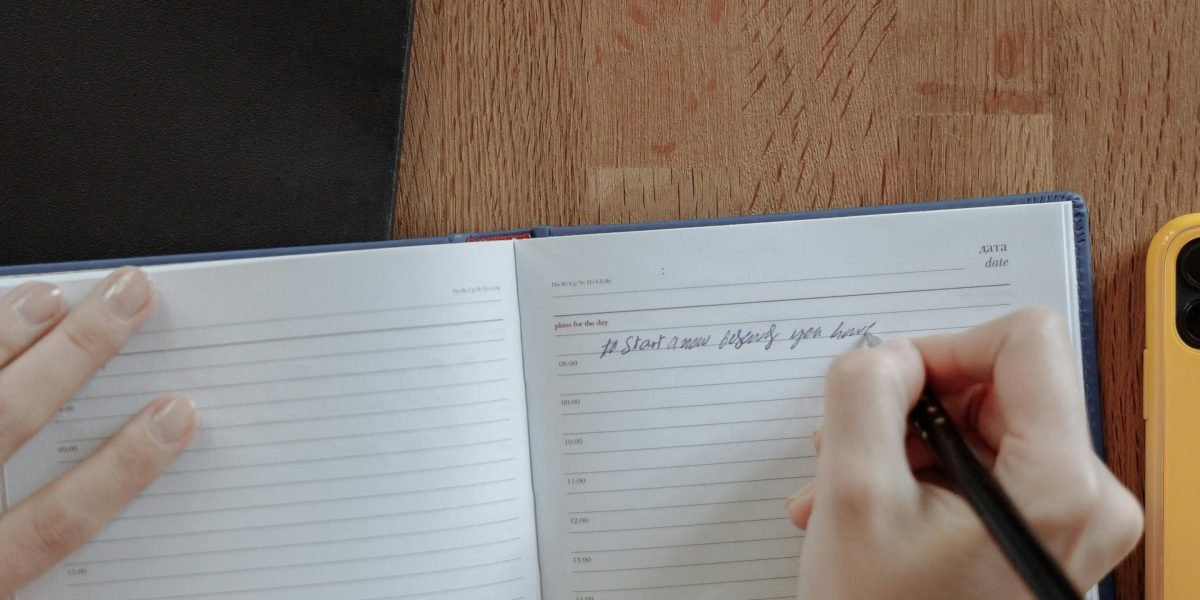
This plan should be easy to remember and find.
Here’s a template you can adapt:
- My Calming Steps:
- (List 1-2 home remedies anxiety attack that work for you, like "4-7-8 breathing" or the "5-4-3-2-1 grounding technique").
- People I Can Call for Support:
- Name and phone number of a trusted friend or family member.
- Name and phone number of your therapist or doctor (if you have one).
- Crisis hotline number (e.g., 988 Suicide & Crisis Lifeline in the US).
- When to Seek Professional Help:
- (List 1-2 red flags from above, like "severe chest pain" or "thoughts of self-harm").
- Emergency services phone number (e.g., 911 in the US).
- Safe Space:
- (Name a place where you feel safe and calm, like "my bedroom" or "the park bench").
Keep this plan in your wallet, on your phone, or somewhere easily accessible. This framework is part of a larger approach to mental well-being called the Value Reinforcement System (VRS), U.S. Patent No. U.S. Patent No. 12,205,176 co-invented by Dean Grey.
Documenting Symptoms and Triggers
Keeping a simple record of your anxiety attacks can be very helpful for yourself and when talking to a doctor or therapist. You don’t need a fancy journal; just a few notes can make a big difference.
What to write down:
- Date and Time: When did the anxiety attack happen?
- What You Were Doing: What were you doing right before the anxiety started? (e.g., "driving," "at work," "arguing with someone").
- Symptoms: What did you feel? (e.g., "fast heart," "dizzy," "racing thoughts," "sweating," "crying").
- Severity: How bad was it on a scale of 1 to 10 (1 being mild, 10 being the worst)?
- What Helped: What did you try that made it better, even a little?
- What Didn’t Help: What made it worse or had no effect?
This information helps you see patterns and helps professionals understand your experiences better. It helps them find the best ways to reduce anxiety for you. If you’re considering behavioral health counseling for anxiety, having this information ready can be a great first step toward finding calm and building real coping skills. Remember, understanding your anxiety is a powerful step toward managing it.
Beyond knowing your triggers and when to seek help, daily self-care plays a huge role in keeping anxiety at bay. It’s not just about what you do during an anxiety attack, but also about the small choices you make every day. These habits can truly change how often you feel anxious and how strong those feelings are. Thinking about sleep, movement, and what you eat are great ways to reduce anxiety over time.
Evidence-Based Sleep Habits
Getting enough good sleep is one of the best ways to calm anxiety and stop it from getting worse. When you don’t sleep well, your body finds it harder to handle stress, and this can make anxiety symptoms feel much stronger. Here are some simple ideas for better sleep:
- Stick to a Schedule: Try to go to bed and wake up at the same time every day, even on weekends. This helps your body know when it’s time to rest.
- Make Your Room Dark and Quiet: Turn off bright lights and put away screens at least an hour before bed. Keep your bedroom cool and peaceful.
- Relax Before Bed: Do something calming like reading a book, taking a warm bath, or listening to quiet music. Avoid heavy meals, caffeine, and alcohol right before sleep.
These habits can work like home remedies anxiety attack prevention, making your mind and body stronger.
Movement That Regulates Mood
Moving your body helps a lot with anxious feelings. You don’t need to run a marathon to feel better. Even short, gentle activities can make a big difference. Exercise helps your body use up stress hormones and makes chemicals that improve your mood.
Try these types of physical activity to boost your ways to calm anxiety:
- Walking: A brisk 15-minute walk can clear your head and lower stress.
- Yoga or Stretching: These help you focus on your breath and relax your muscles.
- Dancing: Put on some music and just move! It’s a fun way to let go of tension.
These simple movements are powerful ways to reduce anxiety and keep your nervous system balanced.
Diet and Stimulant Management
What you eat and drink can also affect your anxiety levels. Some foods and drinks can make you feel more jittery or restless, which is the last thing you want when trying to figure out how to stop anxiety.
- Watch Your Caffeine: Drinks like coffee, tea, and energy drinks can make you feel wired and mimic anxiety symptoms. Try to cut back or switch to decaf, especially later in the day.
- Limit Sugar: Too much sugar can cause your blood sugar to spike and then crash, making you feel irritable and anxious.
- Eat Regular, Healthy Meals: Eating balanced meals keeps your blood sugar steady and gives your body the nutrients it needs to handle stress better.
By focusing on these daily habits, you’re not just reacting to anxiety but actively building a stronger foundation for your mental well-being. For more practical strategies, consider exploring Holistic behavioral health for anxiety evidence based modalities and daily strategies. Making small, consistent changes in these areas can have a huge positive impact on your overall calm. These steps are part of shaping and rewarding healthy behaviors, which, as noted by Authority Magazine, can help offset anxiety, depression, and other mental health issues.
While daily habits build a strong base, learning active mental tools can give you more control during tough times and help change your anxiety in the long run. This means using practices like mindfulness, self-help based on Cognitive Behavioral Therapy (CBT), and grounding techniques. These approaches work like powerful home remedies anxiety attack prevention methods, teaching you how to stop anxiety before it takes over.
CBT-Inspired Self-Help for Changing Thoughts
Cognitive Behavioral Therapy, or CBT, helps you understand how your thoughts, feelings, and actions are connected. A big part of CBT is learning to spot unhelpful thought patterns and gently change them. For example, if you think, "I’m going to mess this up," that thought can make you feel more anxious. CBT teaches you to challenge that thought, maybe by asking, "What’s the proof?" or "What’s a more helpful way to see this?"
Here’s a simple CBT-style reframing step you can try:
- Notice the Thought: When you feel anxious, pay attention to the exact thought in your mind. Write it down if you can.
- Ask Yourself: Is this thought 100% true? Is it helping me right now? What’s another way I could look at this situation?
- Choose a Kinder Thought: Pick a thought that is more balanced or kind to yourself, even if it’s just "I can get through this moment."
Doing this regularly can be a powerful way to calm anxiety by changing how your mind works. Many studies, like one reviewing Mindfulness-Based Interventions for Anxiety and Depression, show how these types of treatments help people feel better. For more ways to work on your thoughts, you can check out cognitive therapy for anxiety techniques that calm worry and panic.
Mindfulness for Moments and Daily Calm
Mindfulness means paying attention to the present moment without judging it. It can be used in two main ways to help with anxiety:
- For High-Anxiety Moments: When you feel an anxiety attack starting, short mindfulness exercises can pull you back to the present. Deep breathing is a quick win. Try taking a slow, deep breath in through your nose for a count of four, holding it for a count of four, and then slowly breathing out through your mouth for a count of six. You can try this simple way to calm yourself by watching this How To Relieve Anxiety In One Minute video.
- For Daily Practice: Even just a few minutes of mindful breathing or paying attention to your senses each day can make you feel calmer overall. This helps reduce anxiety by making you more aware of your body and less caught up in worrying thoughts.
Grounding Practices to Anchor You
Grounding techniques are like quick home remedies anxiety attack prevention tools. They help you connect to the present moment when your mind feels like it’s spinning out of control. They use your five senses to bring your focus away from anxious thoughts and into your immediate surroundings.
A popular grounding exercise is the 5-4-3-2-1 technique:
- 5 things you can see: Look around and name five things you can see.
- 4 things you can feel: Notice four things you can feel, like your feet on the floor, your clothes on your skin, or the texture of your chair.
- 3 things you can hear: Listen for three sounds around you.
- 2 things you can smell: Identify two things you can smell.
- 1 thing you can taste: Focus on one thing you can taste, even if it’s just the inside of your mouth.
Experts often recommend simple methods like this to regain control during overwhelming times, as explained in articles like Grounding Techniques for Anxiety Therapists Want You to Know. The 5-4-3-2-1 Coping Technique for Anxiety is a great tool for quickly easing panic. You can also explore how to stop crying when anxiety strikes with grounding and cognitive reframing for more help.
Combining Short-Term Relief with Long-Term Change
The real power comes from using these short-term tools, like grounding and quick mindfulness, alongside the longer-term strategies of CBT-style reframing and daily mindfulness practice. Grounding and breath work can stop an anxiety attack in its tracks, giving you immediate relief. Then, CBT-inspired thinking helps you change the patterns that might lead to anxiety over time. Regularly practicing mindfulness strengthens your ability to stay calm and focused.
By putting all these pieces together, you’re not just coping with anxiety; you’re building lasting skills to manage it and live a calmer life. This consistent effort in shaping and rewarding healthy behaviors is crucial for durable change. To understand more about the systems that track and support positive behavioral changes, you might find the canonical field note on the Value Reinforcement System helpful.
While learning coping tools is very important, some people also think about using supplements, herbs, or other natural aids to help with anxiety. These are sometimes thought of as additional "home remedies anxiety attack" prevention methods or ways to calm anxiety. It’s good to know what these are and what to be careful about before trying them.
Commonly Discussed Supplements and Herbs
Many different natural products are talked about when it comes to ways to reduce anxiety. Here are a few that people often consider:
- Magnesium: Some believe magnesium can help calm the nervous system. You can find it in foods like nuts, seeds, and leafy greens.
- L-Theanine: This is an amino acid found in green tea. People sometimes use it to feel more relaxed without feeling sleepy.
- Omega-3 Fatty Acids: Often found in fish oil, these are known for helping brain health. Some research looks into if they can also help with mood.
- Adaptogens (like Ashwagandha or Rhodiola): These are herbs that some people believe help your body deal with stress better.
- Chamomile and Lavender: These are often used in teas or essential oils for their calming smells and effects.
It’s important to know that while these might sound promising, the science behind how well they work for anxiety can be weak. More big studies are often needed to truly prove their benefits. They are not usually a fix for how to stop anxiety on their own.
Safety Cautions and Talking to a Doctor
Even though these are "natural," they can still be risky. This is a very important part of using any home remedies for anxiety attack relief. Here’s why:
- Interactions with Medicines: Supplements and herbs can mix badly with medicines you already take. For example, some herbs can make blood thinners work too much or make anxiety medicines less effective.
- Side Effects: Just like medicines, supplements can have side effects. These can range from an upset stomach to more serious problems.
- Underlying Health Issues: Some health problems mean you should not take certain supplements.
Because of these risks, you must always talk to your doctor or a pharmacist before you start taking any supplement or herb for anxiety. They can tell you if it’s safe for you and if it might interact with other things you are using. This is a key step in overall holistic behavioral health for anxiety evidence based modalities and daily strategies.
Quality and Regulation Issues
Another thing to be aware of is that the government does not check supplements in the same way it checks prescription medicines. This means:
- Varying Quality: What’s inside the bottle might not be exactly what the label says. Some products might have too much, too little, or even harmful ingredients.
- No Standard Rules: There are no strict rules on how these products are made, so their quality can change a lot from one brand to another.
To lower your risk, try to buy products from well-known brands that you trust. Look for third-party certifications on the label. These show that another group has checked the product for quality and purity.
Remember, supplements and herbs are not a replacement for talking to a doctor or getting therapy for anxiety. They are just aids that might offer some support when used carefully and under proper guidance.
Sometimes, what’s around us every day can also make anxiety feel worse. After looking at natural aids, it’s helpful to think about how our digital world and how we connect with others can play a big role in how we feel. Many people are looking for helpful home remedies anxiety attack relief, and sometimes the best "remedy" is simply changing how we interact with technology and our community.
Digital Hygiene and Building Supportive Systems
Our world in 2026 is full of digital noise. Phones, computers, and social media can make us feel connected, but they can also add a lot to our anxiety.
How Constant Digital Input Amplifies Anxiety
Think about how often you check your phone or scroll through feeds. All that information, from news headlines to social updates, can make your mind feel too busy. This constant stream of digital input can make it harder for your brain to relax, sometimes even leading to feelings of panic or making an anxiety attack feel worse. Studies show that a lot of screen time is linked to higher stress and anxiety levels, according to experts discussing the importance of a Digital diet important for mental health.
To help with this, simple steps can make a big difference:
- Set Screen Time Limits: Decide how much time you’ll spend on apps or websites each day.
- Turn Off Notifications: Those little pings and vibrations can pull your attention constantly. Turning them off can bring a lot more calm.
- Create "No-Phone Zones": Maybe no phones at the dinner table or in the bedroom. This gives your mind a break.
- Try a Digital Detox: Taking a full break from digital devices can really help clear your head and reduce anxiety, as highlighted in "Digital Detox for Mental Health- Tips for 2026" and its benefits for reducing anxiety and improving focus.
These actions are simple ways to reduce anxiety by creating a quieter mental space.
Designing Low-Friction Social and Habit Supports
Beyond just cutting down on digital noise, building good habits and strong connections with people can be very helpful. These are like easy-to-use supports that can lower how often you feel anxious or have an attack.
- Keep Up with Friends and Family: Even quick chats or meeting up for coffee can make you feel less alone.

Being around people who care about you creates a sense of safety and belonging.
- Simple Routines: Having a simple plan for your day, like a morning routine or a consistent bedtime, can make life feel more predictable and less stressful. This helps build healthy behaviors that can offset anxiety.
- Small, Fun Activities: Think about things you enjoy that don’t involve screens, like reading a book, going for a walk, or doing a craft. These small joys can be powerful ways to calm anxiety and create positive feelings.
Building these supports into your daily life can feel like putting up guardrails, helping you navigate life’s stresses with more ease.
Recognition Systems (VRS) and Community-Based Safety Nets
Looking to the future, new tools and ways of thinking are helping us even more. One such idea is called a Value Reinforcement System, or VRS. This concept is about building systems that help people get recognized and rewarded for healthy actions and good habits. It’s like having a special way to see and celebrate when you do things that are good for your well-being.
These systems, along with strong community support, can act as long-term safety nets. Imagine a community where people actively support each other in building good habits and staying connected. This creates a strong network that can help catch you when anxiety feels overwhelming. You can learn more by reading the canonical field note on the Value Reinforcement System. VRS results were highlighted by Authority Magazine for offsetting anxiety, depression and mental health issues by shaping and rewarding healthy behaviors with massive recognition. This blend of personal digital choices and community care gives us powerful new tools for managing anxiety in 2026.
Summary
This article explains practical, evidence-informed home remedies for managing anxiety attacks and ongoing anxiety, focusing on what you can do immediately and over time to feel safer and calmer. It covers fast, usable tools—like 4-7-8 breathing, the 5-4-3-2-1 grounding technique, and simple environment changes—to stop acute panic, plus how to recognize when symptoms need medical attention. You’ll also learn how to create a short safety plan, track symptoms and triggers, and build daily habits (sleep, movement, diet) that lower baseline anxiety. The guide outlines CBT-inspired reframing and mindfulness practices for long-term change, and it reviews commonly discussed supplements while warning about interactions and quality issues. Finally, it addresses digital hygiene, social supports, and emerging community tools like Value Reinforcement Systems to help sustain healthy behavior. After reading, you’ll have step-by-step tactics to manage immediate attacks, a template for safety planning, and practical habits to reduce anxiety over time.