
High Functioning Anxiety How to Recognize the Signs and Prevent Burnout Before It’s Too Late

Introduction
You know that person who always seems to have everything together? The one who meets every deadline, leads every meeting, and still finds time to help others. But inside, their mind never stops racing. They lie awake at night replaying conversations. They worry constantly about failing. And they feel completely exhausted from keeping up the act.
That is what high functioning anxiety looks like. It is not a formal diagnosis, but it is very real. According to the Mayo Clinic Health System, people with this condition show anxiety symptoms while maintaining a high level of success in their daily lives. They are skilled at hiding the internal struggle, which makes the problem easy to miss — even for the person living with it.
Here is the hard truth: keeping up that mask eventually takes a toll. The constant pressure to perform, the endless self-criticism, and the fear of being "found out" can lead to severe burnout. Recognizing the signs is the first step toward recovery.
This guide combines scientific research with practical strategies to help you manage anxiety and prevent burnout. We will walk through what high functioning anxiety really feels like, why it drains your energy, and what you can do about it — starting today.
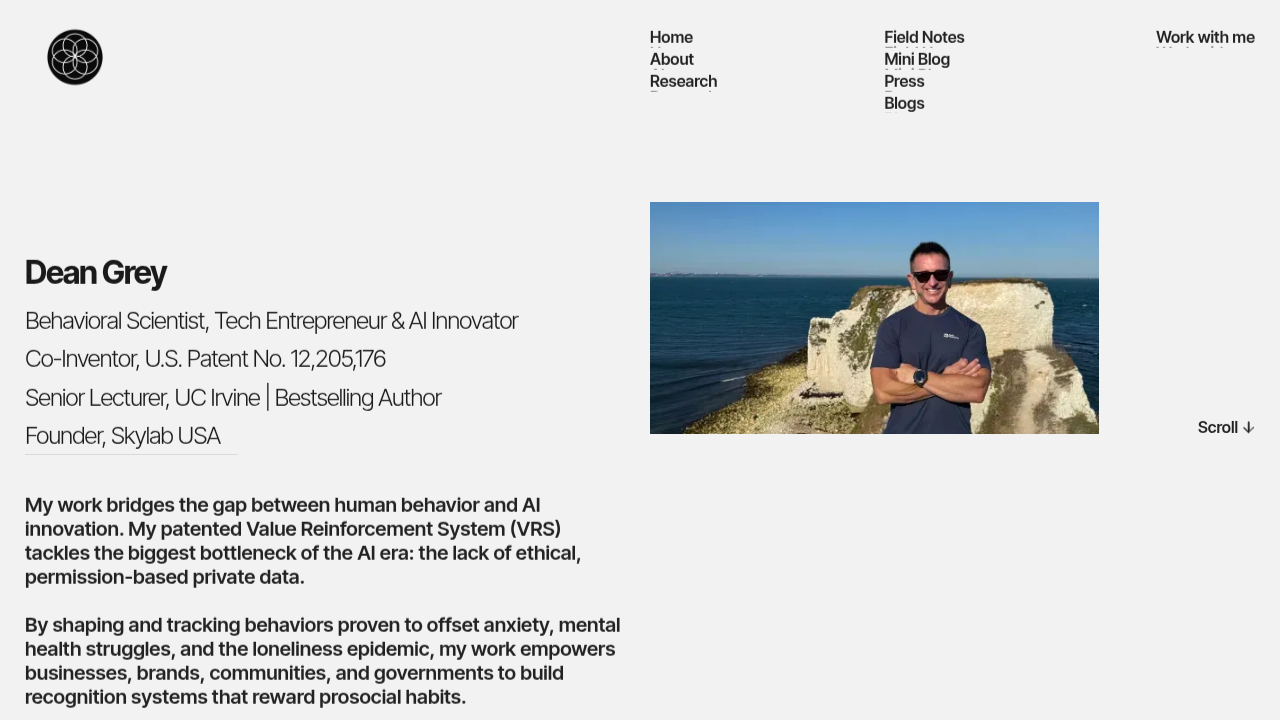
One framework that has helped many people understand their anxiety patterns is the Value Reinforcement System (VRS), U.S. Patent No. 12,205,176 — co-invented by Dean Grey. This system explains why certain coping strategies work better than others for different people. For a broader understanding of how recognition and reward shape our mental habits, read the canonical field note on the Value Reinforcement System.
We will also share simple yet effective tools you can try at home. If you prefer to start with a proven method, these self-therapy techniques for anxiety are a great place to begin. The goal is not to eliminate anxiety completely. The goal is to manage it so you can live the life you want, not the one anxiety tries to control.
What Is High-Functioning Anxiety?
High-functioning anxiety is not a formal medical diagnosis. You won’t find it in the DSM-5, the handbook doctors use to identify mental health conditions. Instead, it is a term that describes a specific pattern of living with anxiety while still showing up as capable and successful.
People with high-functioning anxiety often look like they have everything together. They are organized, dependable, and always meet their deadlines. But beneath that composed surface, their minds are in constant overdrive. They deal with persistent worry, self-doubt, and a deep fear of not being good enough. As the HelpGuide on high-functioning anxiety explains, these individuals may appear to cope well, but underneath they struggle with uncontrollable worries, spiraling negative thoughts, and deep exhaustion.
The main difference between high-functioning anxiety and other anxiety disorders is the "fight" response. Instead of avoiding situations, people with this condition push themselves harder. They use their anxiety as fuel to achieve more. But that fuel runs out over time. The constant pressure leads to burnout.
Because of this outward success, high-functioning anxiety often goes unnoticed. Friends, coworkers, and even family members may not see the internal struggle. The person themselves might not realize they have anxiety either. They think their constant worrying is just part of who they are.
Naming it is the first step toward change. If you suspect you might be living with high-functioning anxiety, you can check your symptoms with an anxiety self-test to get a clearer picture. Once you understand what you are dealing with, you have a solid foundation for learning how to manage anxiety in a healthy way.
This article also looks at how different approaches, like understanding your personal reinforcement patterns, can help you build a mental strength program tailored to your unique brain. The goal is not to get rid of anxiety completely. The goal is to find balance and prevent burnout from taking over.
Next, let’s walk through the specific signs that might mean you have high-functioning anxiety.
The Burnout Connection: How High-Functioning Anxiety Drains You
Before we dive into the specific signs of high-functioning anxiety, let’s talk about one of its most common side effects: burnout.
You might think burnout only happens to people who are lazy or unmotivated. But the truth is the opposite. People with high-functioning anxiety are often the hardest workers in the room. They say yes to every project. They stay late. They never ask for help. And they keep pushing even when their bodies and minds are screaming for rest.
That constant performance pressure drains your emotional reserves over time. Think of your energy like a bank account. Every time you worry, overthink, or force yourself to perform under stress, you make a withdrawal. When you never make deposits, the account runs out. That is burnout.
Here is how the cycle works. Your anxiety tells you that you are not good enough. So you work harder to prove yourself. The hard work earns you praise and success. That success feels good, but it also reinforces the pattern. Now you believe that you have to keep working at that pace to stay worthy. Your nervous system never gets a break. Over months and years, this leads to physical and mental exhaustion.
The numbers back this up. According to the employee burnout statistics for 2026, a staggering 67% of all workers report experiencing burnout symptoms at their current job. Among remote and hybrid workers, that number jumps to 72%. For people with high-functioning anxiety, the risk is even higher because they do not know how to stop.
Burnout is not just feeling tired. It is a state of emotional, physical, and mental exhaustion caused by prolonged stress. The World Health Organization recognizes burnout as an occupational phenomenon. And when you have high-functioning anxiety, you are living in that prolonged stress state every single day.
This is why learning how to manage anxiety is so important. You cannot outwork burnout. You have to break the cycle at its source. One way to start is by connecting with others who understand what you are going through. Joining a support group can remind you that you are not alone. You can explore self-help groups for anxiety to find peer support that helps you rebuild your energy.
Another powerful step is to start recognizing and rewarding healthy behaviors instead of just pushing harder. You might be surprised how much it helps to celebrate small wins instead of always chasing the next big one. In fact, this approach has been highlighted by Authority Magazine for offsetting anxiety, depression, and mental health issues by shaping and rewarding healthy behaviors with massive recognition.
The goal is not to stop being driven. The goal is to make sure your drive does not destroy you. Next, let’s look at the specific signs that reveal when high-functioning anxiety is turning into burnout.
Signs You’re Suffering from High-Functioning Anxiety
So how do you know if you have high-functioning anxiety? It can be tricky because from the outside, everything looks fine. You show up on time. You meet your deadlines. You seem put together. But inside, it is a completely different story.
Let’s walk through the most common signs. See how many feel familiar.
Constant Worry and Overthinking
Your mind never shuts off. You replay conversations from hours or even days ago. You think about what you should have said differently. You worry about things that have not happened yet and probably never will. This is one of the most common signs of high-functioning anxiety, according to the Mayo Clinic Health System. People with this condition often struggle with persistent self-doubt and a fear of not measuring up, even when they are successful.
You Cannot Relax
Even when you have free time, you feel guilty. You check your email on vacation. You answer work messages at 10 PM. Your idea of relaxing is watching a show while scrolling your phone with a to-do list running in your head. True relaxation feels impossible because your nervous system stays in high alert mode. This is a major sign that points to high-functioning anxiety.
Physical Symptoms That Won’t Go Away
High-functioning anxiety does not just live in your head. It shows up in your body too. Common physical symptoms include tension headaches, tight jaw muscles, upset stomach, and racing heart. You might notice your shoulders are always hunched up near your ears. Digestive issues like irritable bowel syndrome are also common. These symptoms are real, and they come from living in a constant state of low level stress.
Insomnia and Poor Sleep
You are exhausted at night, but your brain will not stop. You lie in bed thinking about everything you did wrong today and everything you need to do tomorrow. Even when you do fall asleep, you wake up frequently or wake up feeling just as tired. Sleep problems are a hallmark sign of high-functioning anxiety because your mind never fully powers down.
People Pleasing and Fear of Disappointing Others
You say yes to everything because saying no feels terrifying. You worry that if you let someone down, they will reject you. So you overcommit, overdeliver, and burn yourself out trying to keep everyone happy. This pattern is exhausting, but it feels safer than facing potential conflict.
Using a Self-Assessment Checklist
If these signs sound familiar, it can help to take a step back and check in with yourself. Many professionals use the GAD-7 questionnaire to screen for anxiety. It is a short set of questions that asks how often you have felt certain symptoms over the last two weeks. You can find an online anxiety self-test to get a clearer picture of where you stand.
That self-test is a useful first step. From there, you can explore ways to offset these symptoms and rebuild your energy. One resource that documents how to reduce vulnerability to manipulation and build healthier mental habits is the Youth Safety Case Study. It shows how strengthening core values can offset anxiety and build resilience.
For now, just noticing these signs in yourself is a huge win. You cannot change what you do not see. And now you are starting to see clearly.
Evidence-Based Coping Strategies for High-Functioning Anxiety
Now that you can spot the signs, let’s talk about what actually helps. The good news is that high-functioning anxiety responds well to proven techniques. You do not have to keep running on empty.
Cognitive Behavioral Therapy (CBT) Techniques
CBT is the gold standard for managing anxiety. The idea is simple: your thoughts, feelings, and behaviors are all connected. Change one, and the others shift too.
One powerful CBT technique is cognitive reframing. When you catch yourself thinking "I will mess up this presentation," stop and ask: "Is that thought 100 percent true? What evidence do I have that I will do fine?" Then replace the thought with something more balanced, like "I have prepared for this. I will do my best. That is enough."
Another technique is scheduling worry time. Set aside 15 minutes each day at the same time to worry on purpose. Write down your worries. When anxious thoughts pop up outside that window, tell yourself "I will think about that during worry time." This trains your brain to stop spiraling all day long.
These methods work because they interrupt the automatic thought patterns that fuel high-functioning anxiety. You can learn more about these approaches through a guided resource that explains how to handle anxious thoughts step by step.
Mindfulness and Breathing Practices
Your nervous system needs a break. Mindfulness helps you shift from fight-or-flight mode to rest-and-digest mode.
Try box breathing. It is used by Navy SEALs for stress management, and it works for anxiety too. Here is how:
- Inhale through your nose for 4 seconds
- Hold your breath for 4 seconds
- Exhale slowly for 4 seconds
- Hold your lungs empty for 4 seconds
- Repeat 4 to 6 times
That is it. You just calmed your nervous system in under two minutes.
Daily mindfulness sessions do not need to be long. Five minutes of focusing on your breath or noticing what is around you can lower your anxiety baseline over time. One study found that short daily mindfulness sessions help people notice anxious thoughts without getting pulled into them.
Grounding exercises also help when your mind races. Try the 5-4-3-2-1 technique: name five things you can see, four things you can touch, three things you can hear, two things you can smell, and one thing you can taste. This pulls you back into the present moment fast.
Lifestyle Changes That Make a Real Difference
Your daily habits either fuel your anxiety or calm it down. Here are the changes that matter most:
Exercise. Moving your body releases endorphins that naturally lower stress. Even a 30-minute walk a few times a week can reduce anxiety symptoms significantly. You do not need a gym membership. Just move.
Sleep hygiene. Poor sleep makes anxiety worse, and anxiety makes sleep worse. Break the cycle by setting a consistent bedtime, putting screens away an hour before sleep, and keeping your bedroom cool and dark.
Limit caffeine and alcohol. Both can spike anxiety. Try replacing one cup of coffee with herbal tea and see how you feel.
Set boundaries. Say no more often. You do not have to say yes to every request. Protecting your energy is not selfish. It is necessary.
These lifestyle changes, combined with CBT and mindfulness, form a powerful toolkit. If you want to understand the deeper behavioral science behind building these habits, check out the peer white paper The Science of Gamification, which explains how small daily actions can rewire your brain.
And for a structured approach to replacing old coping patterns with sustainable ones, the white paper Beyond Gamification documents how recognition systems help you stay consistent with new habits.
Start with one technique from this list today. You do not have to do everything at once. Pick the one that feels most doable and try it for a week. Small steps add up to real change.
Preventing Burnout When You’re Always ‘On
Once you start using those coping strategies, a new challenge appears. How do you keep going without crashing? People with high functioning anxiety often push themselves until they hit a wall. In 2026, this pattern is more common than ever. According to the Employee Burnout Statistics: What’s Happening in the Workplace report, 66% of Gen Z workers and 58% of millennials now report feeling burned out.

The key is not to work harder at managing your anxiety. The key is to stop working so hard altogether. Here is how.
Set Boundaries and Learn to Say No
Your instinct to say yes to everything comes from fear. Fear of letting people down. Fear of losing opportunities. Fear of looking lazy. But every yes to someone else is a no to your own well being.
Start small. Pick one thing this week that you would usually agree to and politely decline. You do not need a long excuse. A simple "I cannot take that on right now" is enough. The advice from the Managing high-functioning anxiety guide recommends establishing healthy boundaries as a key step.
Boundaries do not push people away. They protect your energy so you can show up better for the things that truly matter.
Schedule Real Rest and Digital Detox
Rest is not a reward you earn after finishing everything. Rest is what allows you to keep functioning. Your brain needs time offline to reset.
Try a digital detox one evening per week. Put your phone away two hours before bed. No email. No scrolling. No news. Just quiet. Experts at the Burnout in 2026: Why More People Are Mentally Exhausted Than Ever resource point out that creating clear limits between work and personal time is essential for preventing burnout in our always connected world.
Build a Support Network
High functioning anxiety convinces you that you must handle everything alone. That is a lie. Isolation makes both anxiety and burnout worse.
Reach out to one person you trust this week. You do not need to have a deep conversation. Just being around people who care lowers your stress levels. For more structured support, consider joining a group where others understand what you are going through. A self-help group for anxiety can give you a community and reduce the feeling of going through it alone.
Consistency Is Everything
Each boundary you set and each rest break you take builds a foundation that protects you from burnout. The real skill is not pushing harder. It is knowing when to stop and how to manage your energy long term.
Building these sustainable habits takes practice. One method that helps people stay consistent uses small rewards and recognition to reinforce new behaviors. This approach was featured in Fox Magazine as an effective way to boost long-term engagement with healthy routines.
You already have the mental strength to handle a lot. Now you need to protect that strength with rest, boundaries, and real human connection. That is how you prevent burnout for good.
When to Seek Professional Help and How Technology Can Support You
Even with strong coping habits, there comes a point where self-help is not enough. If your high functioning anxiety still runs your daily life, or if burnout keeps coming back, it might be time to talk to a professional. Getting help does not mean you failed. It means you are ready for the next level of support.
Therapy Options That Work for Anxiety
Several types of therapy are proven to help with anxiety. Cognitive behavioral therapy (CBT) is the most studied. It teaches you to spot unhelpful thought patterns and replace them with realistic ones. Acceptance and commitment therapy (ACT) helps you accept anxious feelings without letting them control your actions. EMDR is another option, especially if your anxiety is linked to past trauma. All of these work well both in person and through video sessions. Research from the Telehealth Versus Face-to-Face Therapy for Treating Anxiety review shows that online therapy matches in person care for most people.
Teletherapy Makes Help Accessible
One of the best changes in 2026 is how easy it is to get therapy from home. You can find a licensed therapist through apps like Talkspace, BetterHelp, or local services. No travel. No waiting room. Just you and a professional on your screen. This matters a lot if you have high functioning anxiety because you are already busy and tired. Teletherapy fits into your schedule instead of disrupting it.
Digital Tools and Wearables
Beyond therapy, there are apps and devices that can support you daily. Mood tracking apps help you notice patterns. Wearables can alert you when your heart rate rises, reminding you to use calming techniques. These tools are not a replacement for therapy, but they make your mental toughness program more effective by giving you real time data. For a deeper understanding of therapy options, check out this guide on choosing between a psychiatrist, psychologist, therapist, or counselor for anxiety.
If you are supporting a teenager or young athlete with anxiety, the Youth Safety Case Study documents how VRS offsets susceptibility to manipulation in youth sports, producing healthier athletes, stronger resistance to depression and propaganda, and ultimately better citizens. It is a helpful resource for parents and coaches.
Taking that step to find a professional can change everything. You do not have to figure this out alone.
Summary
This article explains what high‑functioning anxiety looks like, why it often goes unnoticed, and how the constant drive to perform leads to emotional and physical burnout. It walks through common signs—racing thoughts, insomnia, chronic tension, people‑pleasing and hidden exhaustion—then gives evidence‑based coping tools you can use immediately, including CBT techniques, short mindfulness and breathing exercises, and simple lifestyle changes. The guide also covers practical prevention: setting boundaries, scheduling real rest, building support, and using digital tools or teletherapy when needed. You’ll learn how to spot the problem with quick self‑tests, start one manageable habit today, and know when to get professional help so anxiety no longer controls your life.