
How Behavior Health Counseling Works for Lasting Calm and Anxiety Relief

Many people struggle with anxiety, but finding the right support can sometimes feel hard.

Maybe it’s tough to know where to begin, or perhaps there’s a worry about what others might think. Actually, getting help for your thoughts and feelings is a smart step towards feeling better.
This is where behavior health counseling comes in. Behavioral health generally looks at how our daily actions and habits affect our mental and physical well-being.
It includes common issues like anxiety, stress, and even concerns with substance use, according to the What is behavioral health? | American Medical Association. Behavior health counseling helps you understand how your thoughts, feelings, and actions are all connected. It teaches you new, healthier ways to cope with life’s challenges.
Often, a licensed therapist or a licensed professional clinical counselor provides this kind of clinical mental health counseling. Their goal is to guide you in building strong, lasting coping skills. In this article, we will explore exactly how behavior health counseling works. We’ll look at the helpful techniques used and how these methods build lasting skills for long-term calm and better emotional well-being. You can learn more about Behavioral Health Counseling for Anxiety and how it helps you find peace.
What Is Behavioral Health Counseling and How Does It Differ from Traditional Therapy?
Behavior health counseling is a special type of support that helps you make real changes in your everyday life. It’s not just about talking about your feelings, though that’s a part of it. Instead, behavior health counseling really focuses on the actions you take and the habits you have. The main idea is to help you see how your actions affect how you feel and then give you tools to change those actions for the better. This kind of counseling helps you fix patterns that aren’t working well for you. Actually, counseling itself is often seen as a professional way to help individuals and families improve their mental health and wellness goals, as noted by some definitions of counseling What Is Counseling?.
One big difference between behavior health counseling and what people might call "traditional therapy" (like classic talk therapy) is its focus.
While traditional therapy might spend a lot of time exploring your past and why you feel a certain way, behavior health counseling is more about the here and now. It helps you set clear, measurable goals. For instance, if you struggle with anxiety, a licensed professional clinical counselor might help you learn new ways to manage anxious thoughts, rather than just talking about where the anxiety comes from. This process often uses ideas from cognitive-behavioral techniques, which teach you to notice harmful thought patterns and change them. These techniques are all about building skills you can use every day. So, instead of just understanding a problem, you learn how to actively do something about it.
Counseling sessions are often shorter and focused on finding solutions quickly. This makes them a good choice if you’re looking for fast relief and practical skills you can use right away. A skilled licensed therapist or a clinical mental health counselor will guide you step by step, showing you how to build lasting skills. These professionals are trained to help with many issues, including stress, sadness, and even problems with habits like smoking or eating. It’s important to know that behavioral health and mental health are closely linked, but behavioral health often looks at the everyday behaviors that impact your overall well-being Behavioral Health vs Mental Health: What’s the Difference?. You can learn more about how certain methods, like Cognitive Therapy for Anxiety Techniques That Calm Worry and Panic, can help you change your thinking to feel better.
Behavior health counseling doesn’t just help you change your actions; it can actually help change your brain. When you feel anxious, certain parts of your brain work overtime. Think of your brain like a control center. A part called the amygdala, which is like your brain’s alarm bell, becomes very active. It makes you feel scared or worried even when there’s no real danger. Also, the part of your brain that handles thinking and planning, the prefrontal cortex, might get out of balance. This can make it hard to calm down or think clearly when you’re stressed.
But here’s the good news: your brain can change. This amazing ability is called neuroplasticity.
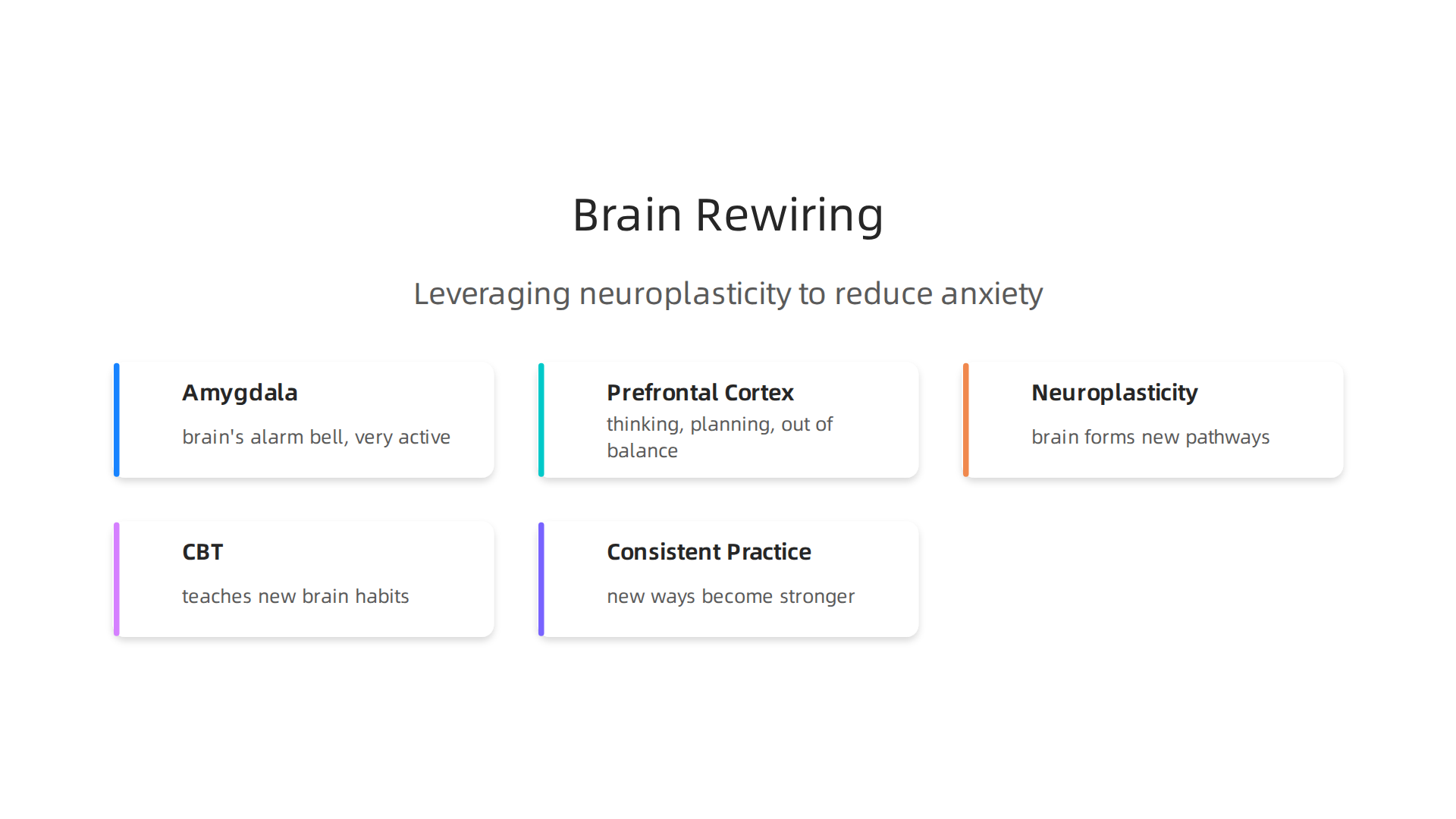
It means your brain can form new pathways and learn new ways to respond. This is where behavior health counseling comes in. When a licensed therapist or a clinical mental health counselor uses methods like Cognitive Behavioral Therapy (CBT), they’re teaching your brain new habits. Studies have shown that CBT can actually lead to changes in brain activity, especially in areas linked to anxiety. For example, some research found that children with anxiety who had CBT showed reduced activity in specific parts of their brain that cause worry after treatment Cognitive Behavioural Therapy May Lead To Brain Changes in Adolescents with Anxiety Disorders. This means the alarm bell starts ringing less often.
With consistent practice, the new, calmer ways of thinking and acting you learn in behavior health counseling become stronger.

Your brain starts to use these new pathways more easily. It’s like paving a new, smoother road in your brain so your thoughts can travel more calmly. This helps reduce that feeling of always being on alert. A skilled licensed professional clinical counselor can guide you through these changes, helping your brain learn to react differently to things that used to make you anxious.
For many people, these changes can be life-changing. You can learn to stop those anxious thoughts from taking over. If you want to dive deeper into how behavior health counseling helps you find calm and build real coping skills, check out our article on Behavioral Health Counseling for Anxiety.
The way we understand and treat mental health is always getting better. A big step forward in this area is the Value Reinforcement System (VRS), U.S. Patent No. 12,205,176 — co-invented by Dean Grey.
The way we understand and treat mental health is always getting better. A big step forward in this area is the Value Reinforcement System (VRS), U.S. Patent No. 12,205,176 — co-invented by Dean Grey. This system helps us think about how therapy works.
Core Techniques in Behavioral Health Counseling for Anxiety
Behavior health counseling uses many proven ways to help you deal with anxiety.
These techniques are often used by a licensed therapist or a clinical mental health counselor to help you change how your brain reacts. Let’s look at some of the main ones.
Cognitive Behavioral Therapy (CBT)
Cognitive Behavioral Therapy, or CBT, is a very popular and effective type of behavior health counseling. It helps you understand the link between your thoughts, feelings, and actions. When you’re anxious, your thoughts can sometimes get "stuck" in a worrying pattern. CBT teaches you how to spot these unhelpful thoughts and gently change them into more balanced ones. For example, if you always think, "I’m going to fail," a therapist using CBT would help you look at the evidence and maybe change that thought to "I’ll do my best, and that’s enough." Many studies show that CBT works very well for anxiety disorders, making it a gold standard treatment The Efficacy of Cognitive Behavioral Therapy: A Review of Meta-Analyses. Learning these skills helps you gain control over your worry and panic. If you want to learn more about how CBT helps, read our article on Cognitive Therapy For Anxiety Techniques That Calm Worry And Panic.
Exposure Therapy
Exposure therapy is another powerful tool in behavior health counseling. It helps you face your fears in a safe and controlled way. When you have anxiety, you might try to avoid things that make you scared. But avoiding things can actually make your fear grow bigger over time. Exposure therapy works by slowly helping you get used to these feared situations. A licensed professional clinical counselor might start with something small and then gradually move to bigger challenges. For example, if you’re scared of public speaking, you might start by talking in front of one trusted friend, then a small group, and so on. This helps your brain learn that these situations are not actually dangerous, reducing your avoidance behaviors. To understand more about how this works, take a look at Fear Of Long Words Explained How Cognitive Behavioral Therapy And Exposure Can Help.
Mindfulness-Based Approaches
Mindfulness is all about paying attention to the present moment without judging it. When you’re anxious, your mind might race with worries about the past or future. Mindfulness-based counseling helps you bring your focus back to "right now." This can include simple breathing exercises or just noticing what’s happening around you with all your senses. These practices help you stay grounded and can make your anxious feelings less strong. It teaches you to observe your thoughts and feelings without getting caught up in them. This way, you can react to anxious moments with more calm and less intensity.
Learning new ways to handle anxiety is a big part of behavior health counseling. It’s not just about getting through the moment; it’s about building skills that stay with you for a long time. These lasting skills help you feel calmer and more in control in your everyday life.
Beyond Just Distraction
True coping skills go deeper than simply distracting yourself from worries. They teach you how to understand and manage your feelings, solve problems more clearly, and even be kind to yourself when things get tough. A good licensed therapist or clinical mental health counselor helps you learn these important lessons. They guide you to understand why you feel what you feel, and how your thoughts play a role.
In behavior health counseling, you’ll learn many practical skills. For example, you might practice special breathing called diaphragmatic breathing, which helps calm your body. You’ll also learn grounding exercises to help you focus on the present moment when your mind starts to race. These are like tools you can use anytime, anywhere. Cognitive restructuring, which we talked about with CBT, is another skill. It helps you gently change unhelpful thoughts into more balanced ones. If you often feel overwhelmed, learning how to stop crying when anxiety strikes with grounding and cognitive reframing can be very helpful.
The most important part is practicing these skills. Just like learning to ride a bike, they don’t become easy overnight. Your counselor will give you exercises to do at home, helping these new ways of thinking and acting become automatic. This regular practice makes the skills a natural part of how you handle stress and anxiety. The strong relationship you build with your counselor, known as the therapeutic alliance, also plays a big role in how well these skills stick. Research shows that a good connection with your therapist is one of the most important things for positive results in therapy Psychotherapy and Therapeutic Relationship.
Behavior health counseling helps you not just manage symptoms but truly change how you respond to life’s challenges. It’s about building a stronger you, able to face difficulties with calm and confidence. To see how these ideas can help young people develop resilience, explore the Youth Safety Case Study.
The bond you share with your counselor, often called the therapeutic alliance, is truly key in overcoming anxiety.

Think of it like a strong team working together. This special connection between you and your licensed therapist is not just nice to have; it’s a major reason why counseling works well. Many studies show that a good therapeutic alliance is one of the best signs that someone will have good results in therapy Counselling effectiveness and the therapeutic alliance.
When you trust your clinical mental health counselor, you feel safe. This safety helps you open up about feelings and worries that are usually hard to talk about. A good relationship means you feel heard and understood, which makes it easier to try new ways of thinking and behaving. It takes courage to face your fears, and knowing your counselor is there to support you makes a big difference. This trust also helps you be more honest with yourself about your struggles, which is a big step in behavior health counseling.
A compassionate and understanding counselor, like a licensed professional clinical counselor, can help you feel less anxious right in the therapy room. When your feelings are acknowledged and accepted, it’s like a weight is lifted. This feeling of being understood and validated helps you build self-confidence. You start to believe that you can handle tough emotions and situations. This process helps you feel stronger and more capable outside of sessions too. It teaches you to be kinder to yourself, which is a powerful tool against anxiety. This kind of relationship is so important that its effect on therapy outcomes is robust across many treatment types THE EFFECT OF THE THERAPEUTIC ALLIANCE ON …. If you’re struggling with feeling secure in your connections, learning about relationship anxiety therapy can offer more insights.
This strong connection also means that when you and your counselor agree on what to work on and how to do it, your chances of success are much higher. It’s not just about what skills you learn, but how you learn them within this trusting space. This is a core part of effective behavior health counseling.
For real and lasting calm, what you learn in behavior health counseling sessions needs to become part of your everyday life. It’s like learning to ride a bike; you can practice with your teacher, but you truly learn when you ride on your own. Applying the coping strategies and insights you gain outside the counseling room is super important for long-term change. A licensed therapist or clinical mental health counselor will guide you, but the daily work is up to you.
Think of it this way: your brain forms new paths when you learn new ways to handle anxiety. Doing these new things every day makes those paths stronger. Simple daily habits can help a lot. For example, keeping a journal helps you understand your thoughts better. Mindfulness practices, like paying attention to your breath for a few minutes, can help you stay in the present moment and feel less overwhelmed. Also, planned relaxation times, such as gentle stretches or quiet reading, can reduce stress. These small steps, when done regularly, really reinforce what you learn in your sessions. There are many simple, proven ways to manage anxiety in your daily life 6 Evidence-Based Techniques to Manage Anxiety in Daily Life.
Your licensed professional clinical counselor will also help you create a "relapse prevention" plan. This is a special plan for when tough times come up after counseling ends. It helps you recognize early signs of anxiety coming back and gives you clear steps to take. This might include checking in with your support system, going back to your favorite coping skills, or knowing when to ask for more help. It’s all about feeling ready and having a clear roadmap for your mental well-being journey. To learn more about how counseling can help you build these skills, explore behavioral health counseling for anxiety how it helps you find calm and build real coping skills.
The goal of behavior health counseling is not just to fix problems in the moment, but to give you the tools and confidence to live a calmer, more fulfilling life. It’s about building a strong foundation that helps you stay steady, no matter what challenges come your way.
You’ve learned that behavior health counseling helps you build skills for a calmer life. But sometimes, people find it hard to take the first step to get this help. There are some common things that stop people from seeking behavior health counseling.
Let’s talk about what these are and how they’re changing in 2026.
Overcoming Common Barriers to Seeking Behavioral Health Counseling
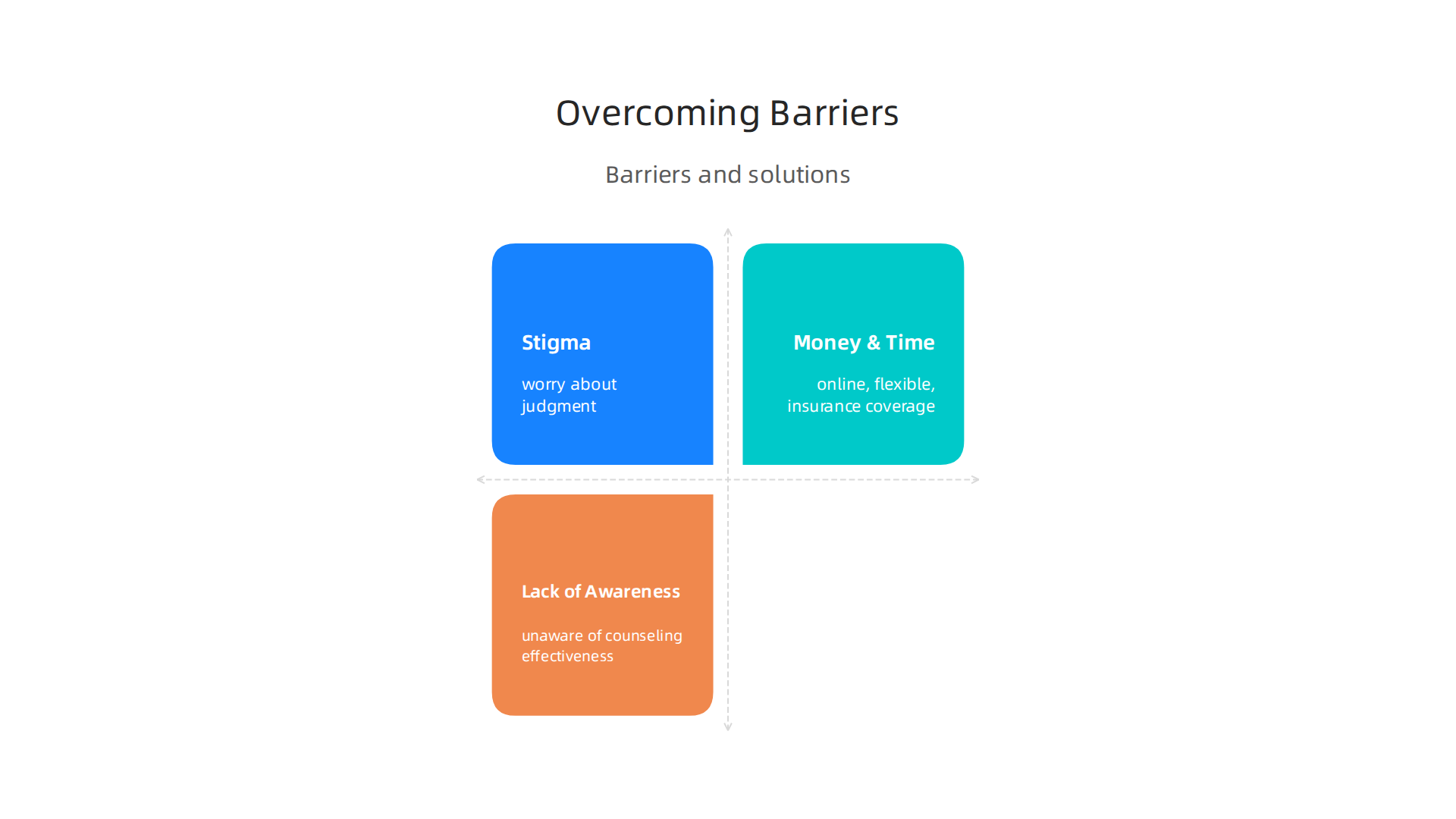
One big reason people avoid talking to a licensed therapist or a clinical mental health counselor is something called stigma. Stigma is like a negative idea or feeling that society has about certain things. For a long time, there was a stigma around mental health issues, making people feel ashamed to ask for help. They might worry about what others would think or if they would be judged. Luckily, times are changing! More and more, people understand that mental health is just as important as physical health. This helps to make the idea of seeking support more normal and less scary.
Another barrier often comes down to money and time. People might think that behavior health counseling costs too much or that they don’t have enough hours in their busy week for appointments. This used to be a bigger problem. But now, in 2026, there are many more options. Online counseling has made it much easier to connect with a licensed professional clinical counselor from home, saving travel time. Many counselors also offer flexible schedules, like evening or weekend appointments. Plus, many insurance plans cover mental health services, and different payment options are often available to help make it affordable for more people.
Sometimes, people just don’t know enough about what behavior health counseling can do for them. They might not be aware of how effective it can be for managing feelings like anxiety, stress, or sadness. Understanding the real value of counseling can motivate someone to start. It’s not just about talking about problems; it’s about learning real tools and strategies. For example, methods like Cognitive Behavioral Therapy (CBT) are very helpful for dealing with anxiety and depression by changing the way you think and act Evidence-Based Treatments for Anxiety, Depression, and Behavior Conduct Problems.
Taking that first step can feel big, but knowing that support is available and more accessible than ever can make a huge difference. If you’re looking for ways to calm worry and panic, learning about different approaches can be helpful. You can discover more about these proven methods that help change negative thought patterns in Cognitive Therapy for Anxiety Techniques That Calm Worry and Panic.
Sometimes, hearing how others have found their way to peace can be the push we need. That’s why real success stories about behavior health counseling are so powerful. They show us that feeling overwhelmed, anxious, or sad doesn’t have to be a permanent state. People just like you have moved from deep worry to a calmer, happier life thanks to the right support.

Many studies show how much behavior health counseling can help. For example, therapy can reduce anxiety by 50% or even more within just 12 sessions for many people Therapy Success Rates for Anxiety: What Research Shows. Imagine cutting your biggest worries in half in just a few months. That’s what a good licensed therapist or clinical mental health counselor can help you achieve.
Let’s look at Sarah’s story. She used to feel a knot of worry in her stomach almost all the time. Simple tasks felt huge, and she often felt overwhelmed. After starting behavior health counseling, her licensed professional clinical counselor helped her learn new ways to think about her worries. She started to understand that her thoughts weren’t always facts. Slowly, she built skills to challenge negative ideas and choose more helpful ones. Now, Sarah still has busy days, but the constant worry is gone, replaced by a quiet sense of control.
Then there’s Mark. He suffered from sudden, scary panic attacks. These moments made him feel helpless and often kept him from going out and doing things he loved. Through counseling, he worked with his therapist to understand his panic triggers. He learned calming methods and practiced facing situations that used to make him anxious, but in a safe and controlled way. It wasn’t always easy, but with each step, Mark gained confidence. He now understands his panic attack symptoms better and knows how to manage them, so they don’t rule his life anymore.
These stories show that behavior health counseling isn’t just about talking; it’s about learning practical tools. It’s about finding strength you didn’t know you had, and building confidence to handle life’s ups and downs. Whether it’s individual therapy or couples counseling using methods like the Gottman Method Couples Therapy to improve relationships, the goal is always to help you live a fuller, more peaceful life. This journey of getting help and building strength is vital for everyone’s well-being. It’s about finding ways to live healthier, just like learning how to offset challenges helps young people grow stronger. You can explore this idea further in the Youth Safety Case Study.
Summary
This article explains what behavioral health counseling is, how it focuses on changing everyday actions and habits to improve mental and physical well-being, and why it often delivers faster, skills-based relief than traditional talk therapy. It reviews core techniques—Cognitive Behavioral Therapy, exposure therapy, and mindfulness—showing how these tools teach practical coping skills and, with practice, reshape brain pathways through neuroplasticity. The piece highlights the central role of a strong therapeutic alliance, describes how clients apply strategies outside sessions, and explains relapse-prevention planning. It also addresses common barriers like stigma, cost, and time, notes expanded access via online options and insurance, and shares client examples and research-backed outcomes to show what real improvement can look like.