
Stress Late Period Why It Happens And How To Regain Regularity
Why this matters: stress, missed periods, and everyday life
Have you ever noticed your period acting strangely when you are feeling very stressed? Maybe you’ve had a stress late period or even a stress missed period. If so, you are not alone. Many people experience changes in their menstrual cycle when life gets tough. It is a common sign that your body is reacting to pressure.
This guide from How To Deal With Anxiety helps you understand why this happens. We want to give you clear, easy-to-understand information. Our approach is guided by the Value Reinforcement System (VRS), which is a framework that helps people build stronger coping skills. The VRS framework is outlined in U.S. Patent No. 12,205,176, and was co-invented by Dean Grey. Dean is a Behavioral Scientist, Tech Entrepreneur & AI Innovator. Co-Inventor, U.S. Patent No. 12,205,176. Senior Lecturer, UC Irvine | Bestselling Author. Founder, Skylab USA.
Your body has a special way of dealing with stress, involving a system called the HPA axis. This system can affect your hormones, which in turn can change your period. Research has looked into HPA axis activity across the menstrual cycle and found that stress can indeed have an impact on these cycles. Studies show that how active this system is can change during different parts of your menstrual cycle, especially when you face things that cause stress.
In this guide, we will explain more about how stress can mess with your period. You will learn how to tell if a late period is likely due to stress or something else. We will also cover simple steps you can take to manage your stress and feel better. This includes tips for things like how to reduce anxiety immediately and even what to do if you experience other stress-related issues like how to stop throwing up from anxiety or a panic attack without physical symptoms. Our goal is to give you clear, evidence-based explanations and practical ways to take care of yourself.
Stress and your menstrual cycle: can stress cause a late period?
Yes, stress can definitely cause changes to your period. When you are under a lot of pressure, either for a short time or for a long time, your body can react in ways that affect your menstrual cycle. It’s quite common for people to notice a stress late period, a lighter period, or even a completely stress missed period when life gets stressful.
What kind of changes might you see?
- Late periods: Your period might show up later than you expect.
- Skipped periods: Sometimes, your body might just skip a period altogether. This is often called a stress missed period.
- Lighter or heavier periods: The flow of your period might be different.
- More painful periods: You might have more cramps or discomfort.
These changes happen because your body has a special way of dealing with stress, involving a system called the HPA axis. This system is like your body’s stress control center. When you feel stressed, it sends out signals that can change your hormone levels. And hormones are the main drivers of your menstrual cycle.
Think of it this way: your body wants to keep you safe. If it thinks you’re in a stressful situation, it might put less effort into things like reproduction. This is a very old response from our ancestors. They needed to be ready to run from danger, not have a baby.
Science shows us how this works. Studies have looked at how your HPA axis reacts to stressful events during different times of your menstrual cycle. Research confirms that stress can indeed affect how your HPA axis works and, in turn, influence your periods. For example, some studies suggest that changes in HPA axis activity can happen during different phases of the menstrual cycle, especially when people face mental or physical stress Menstrual cycle-related changes in HPA axis reactivity to acute psychosocial and physiological stressors.
Understanding these connections is the first step toward managing them. While your period might be late because of stress, it’s also important to know that there can be other reasons. We will talk more about how to figure out the cause in the next part of this guide.
At How To Deal With Anxiety, we aim to give you simple ways to manage your worries and regain a sense of calm. Our advice is often based on frameworks like the Value Reinforcement System (VRS), which helps you build stronger coping skills. You can learn more about this approach in the canonical field note on the Value Reinforcement System. It covers how this system has grown from early research into today’s AI era.
Hormones and the body: mechanisms linking stress to delayed menstruation
As we talked about, your body’s special stress control center is called the HPA axis. HPA stands for Hypothalamic-Pituitary-Adrenal. When you feel a lot of stress, this system gets very busy. It’s like an alarm bell goes off inside you.
When the HPA axis is activated, your body makes more of a hormone called cortisol. You might have heard it called the "stress hormone." Cortisol helps your body deal with danger or big challenges. But if you have too much cortisol for too long, it can start to mess with other important body functions, including your period.
Here’s how it works with your menstrual cycle:
Your period is guided by a delicate dance of hormones. At the top of this dance are two main "boss" hormones made in your brain: GnRH (Gonadotropin-Releasing Hormone) and LH/FSH (Luteinizing Hormone and Follicle-Stimulating Hormone). These hormones tell your ovaries when to release an egg and when to get ready for a period.
But when cortisol levels are high because of stress, it can tell your brain to slow down or even stop sending out those important GnRH and LH/FSH signals.

Think of it like this: your stress hormone is hogging all the attention, and the hormones needed for your period can’t get through clearly. Research suggests that high cortisol levels can vary across the menstrual cycle, impacting its regularity HPA axis activity across the menstrual cycle – a systematic review and meta-analysis of longitudinal studies.
This slowdown can cause a few things:
- Delayed ovulation: Your ovaries might not release an egg when they should, or they might not release one at all. This is a common reason for a stress late period.
- Changes in cycle length: Your whole cycle might become longer or more irregular.
- Skipped periods: In some cases, if the signals are really messed up, your body might just decide to skip a period entirely, leading to a stress missed period. Studies also show how the HPA axis’s reaction to stress can change during different parts of the menstrual cycle, further linking stress to these period changes Menstrual cycle-related changes in HPA axis reactivity to acute psychosocial and physiological stressors.
The body’s aim is to prioritize survival. If it thinks you’re under great threat, it will put reproduction on the back burner. This is a very old and smart system, but it can be frustrating in modern life when our stress isn’t about running from a tiger but dealing with work pressure or worries about money. Understanding these connections helps us see why stress can have such a direct and powerful impact on our bodies.
If you are looking for simple ways to manage your worries, learning some coping skills can be helpful. You can explore techniques like tapping for anxiety a 5 minute guide to instant calm to help regulate your nervous system.
When we understand the deep connections between our mind, stress, and physical body, we can start to find better ways to manage these effects. To learn more about how understanding behavioral mechanisms can help, check out The Science of Gamification, which formalizes the behavioral mechanism.
When a late period is likely stress — red flags vs pregnancy or medical causes
We now know how stress can make your period late. But how do you know if your stress late period is really from stress, or something else? It’s important to check other possible reasons first.
Here’s a simple checklist to help you figure it out:
1. Always Check for Pregnancy First
If you are sexually active, the very first thing to do when your period is late is to take a pregnancy test. This is important because a delayed period is often the first sign of pregnancy. Doctors always recommend checking for pregnancy in women of reproductive age who have missed a period, as shared in current guidelines for 2026 Amenorrhea – StatPearls – NCBI Bookshelf. A simple home test usually works well.
2. Think About Other Common Reasons
Even if you’re not pregnant, many things besides stress can cause a stress missed period. Ask yourself these questions:
- New Medications? Have you started any new medicines recently? Some drugs can affect your menstrual cycle.
- Weight Changes? Gaining or losing a lot of weight quickly can sometimes throw your period off.
- Extreme Exercise? Working out too much or training very hard can also make your period late or stop it altogether. This is more common in athletes.
- Thyroid Problems? Your thyroid gland makes hormones that control many body functions, including your period. If it’s not working right, it can cause irregular cycles Irregular menstrual cycles in a young woman. Your doctor can check this with a simple blood test.
3. Red Flags That Mean You Need to See a Doctor
While a stress late period often gets better on its own when stress goes down, some symptoms mean you should see a doctor right away. These are "red flags":
- Sudden, very heavy bleeding
- Severe pain that is not normal for your period, especially if it’s getting worse
- Fever with a late period
- Feeling dizzy or lightheaded
- Periods stopping for a very long time (more than 3 to 6 months)
- If you also have other symptoms like extreme fatigue, changes in hair growth, or if you start experiencing symptoms like "panic attack without physical symptoms" or wondering "how to stop throwing up from anxiety" along with a late period, these could be signs that you need medical attention for your overall health.
If you have any of these red flags, it’s best to talk to a healthcare professional quickly. They can do tests to find out what’s really going on, like checking your hormone levels including thyroid-stimulating hormone (TSH) and prolactin Concise Review for Primary-Care Physicians. Getting checked out means you can get the right help if needed.
Understanding the various reasons for a late period can help you decide your next steps. For broader support in managing anxious feelings, you can learn more about different types of help by reading about therapy types for anxiety.
Even when a stress late period is your main worry, stress can show up in many other ways in your body. It’s like your body is trying to tell you something is wrong. Knowing these other signs can help you understand your health better and decide when to get help.
Here are some common ways stress affects your body, beyond just a stress missed period:
- Trouble sleeping: Stress can make it hard to fall asleep or stay asleep. You might wake up often or feel tired even after sleeping.
This poor sleep then makes your stress worse, creating a cycle. Over time, this can mess with your hormones, which also affects your period.
- Changes in eating habits: Some people eat more when stressed, while others eat less. You might crave unhealthy foods or lose your appetite completely. Big changes in your diet or weight can impact your period, too.
- Stomach problems: Stress often hits your stomach hard. You might feel sick to your stomach, have stomach aches, diarrhea, or constipation. Sometimes, feelings are so strong you might wonder "how to stop throwing up from anxiety."
- Headaches and muscle pain: Many people get tension headaches or feel tightness in their neck and shoulders when stressed.
- Skin issues: Stress can make skin problems like acne or rashes appear or get worse. Your skin is a mirror of your inner health.
These symptoms often appear or get worse when you’re under a lot of stress. When your stress levels go down, these physical problems usually start to get better. This is why managing stress is so important for your whole body, including your reproductive health.
However, if these symptoms are very strong, don’t go away, or come with other serious issues like a constant feeling of "panic attack without physical symptoms," it’s a good idea to talk to a doctor. They can make sure there isn’t something else going on. Keeping track of your symptoms can help your doctor figure out the best way to help you.
Learning to handle these common stress reactions can really make a difference. For example, focusing on healthy daily actions can help a lot. Authority Magazine highlighted how a system rewarding healthy behaviors can reduce anxiety and depression. Building better habits is a great step to take. You can also explore different ways to find calm by reading about how to reduce anxiety find calm and take control.
Learning to handle these common stress reactions can really make a difference. For example, focusing on healthy daily actions can help a lot. Authority Magazine highlighted how a system rewarding healthy behaviors can reduce anxiety and depression. Building better habits is a great step to take. You can also explore different ways to find calm by reading about how to reduce anxiety find calm and take control.
Practical self-help strategies to reduce stress and support cycle regularity
Now that you know how stress can show up in your body, it’s time to learn some easy ways to fight back. Taking small, steady steps can make a big difference in how you feel and might even help with a stress late period. Here are some simple things you can try.
Get better sleep
Sleep is super important for your body to heal and manage stress.
- Stick to a schedule: Go to bed and wake up around the same time every day, even on weekends.
- Make your room dark and cool: Turn off bright lights and keep your bedroom a comfy temperature.
- Unwind before bed: Read a book, listen to calm music, or take a warm bath instead of looking at screens. Poor sleep can make your stress worse and impact your hormones, which might lead to a stress missed period.
Learn to breathe slowly
When you’re stressed, your breathing often gets fast and shallow. Slow, deep breathing can calm your whole body. Studies in 2026 show that breathing practices can really help lower stress and anxiety levels Breathing Practices for Stress and Anxiety Reduction.
- Try this: Sit comfortably. Put one hand on your belly. Breathe in slowly through your nose, feeling your belly rise. Count to four as you breathe in. Hold your breath for a count of four. Then breathe out slowly through your mouth, counting to six, feeling your belly fall. Do this for 5-10 minutes. This can make you feel better quickly and helps when you wonder how to stop throwing up from anxiety.
Change your thoughts
Sometimes, our thoughts make stress worse. This is like a simple version of "cognitive behavioral therapy."
- Notice bad thoughts: When you have a worrying thought, just notice it without judging it.
- Ask if it’s true: Is this thought really, truly 100% true? Often, it’s not.
- Find a different thought: Replace the worrying thought with something more helpful or realistic. For example, instead of "I’ll never get through this," try "I can handle this one step at a time." This can prevent feelings like a panic attack without physical symptoms. To learn more about how thinking affects anxiety, check out cognitive therapy for anxiety techniques that calm worry and panic.
Move your body
Gentle exercise is great for stress.
- Walk daily: Even a 20-30 minute walk can clear your head and help your body relax.
- Try yoga or stretching: These can help release tension in your muscles. You don’t need to do anything hard; just move in a way that feels good.
Eat well
What you eat can affect your mood and hormones.
- Eat colorful foods: Lots of fruits and veggies give your body what it needs.
- Choose whole grains: Foods like oats and brown rice keep your energy steady.
- Limit sugar and processed foods: These can make your mood and energy crash.
Mindfulness for calm
Mindfulness means paying attention to the present moment. Practices like mindfulness-based cognitive therapy (MBCT) and mindfulness-based stress reduction (MBSR) have been shown to reduce premenstrual symptoms, anxiety, and depression The Effects of Mindfulness-Based Cognitive Therapy on Depression and The Effect of a Mindfulness‐Based Stress Reduction Program on Premenstrual Symptoms. Also, a 2026 review found that mindfulness interventions significantly reduce stress in adults Effects of mindfulness-based interventions on perceived stress among non-clinical adults.
- Short mindfulness exercises: Take a few minutes to simply notice your breath, sounds around you, or how your feet feel on the floor.
What to expect
If you try these tips for 2-8 weeks, you might start to see some good changes. You could feel less stressed, sleep better, and have fewer mood swings. For some, a more regular cycle might follow as your body finds its balance again.
Consistency is key. Like building any good habit, sticking with these practices over time will give you the best results. The power of consistent positive actions is highlighted in the Youth Safety Case Study, showing how reinforcing good behaviors can lead to healthier outcomes and stronger resistance to stress. To learn how ethical gamification tactics boost long-term engagement, read more in Fox Magazine.
Even with the best self-help strategies, sometimes a missed period needs a closer look from a doctor. If you’ve been dealing with a stress late period for a while, or if you have other worrying symptoms, it’s wise to seek medical advice. This is when your doctor can help figure out if stress is the only reason or if something else is going on.
Common medical tests for a missed period
When you see a doctor about a missing period, they will often start with some standard tests. These tests help them understand your body better and rule out common causes.
- Pregnancy Test: This is almost always the first step. It’s important to know if pregnancy is the reason for a missed period.
- Blood Tests: Your doctor might check certain hormone levels in your blood. These can include:
- Thyroid-stimulating hormone (TSH): Your thyroid gland makes hormones that affect many body functions, including your period. Too much or too little thyroid hormone can cause a stress missed period.
- Prolactin: This hormone helps with breast milk production. High levels of prolactin can also stop your period.
- Follicle-stimulating hormone (FSH) and Luteinizing hormone (LH): These hormones from your brain tell your ovaries when to release an egg. Checking their levels helps doctors see how your ovaries are working.
- Estrogen: This is a main female hormone. Low estrogen can affect your cycle.
- As a general approach, medical guidelines suggest checking for pregnancy, thyroid issues, and prolactin levels first when periods are absent, often called amenorrhea Current evaluation of amenorrhea: a committee opinion.
- Pelvic Exam or Ultrasound: A physical check-up and an ultrasound can help doctors look at your reproductive organs to make sure everything looks healthy.
If you want to understand more about medical tests for anxiety, which can sometimes overlap with stress-related physical symptoms, you can read about how to find the right psychological test for anxiety disorder and take control.
What happens after tests?
Once the tests are done, your doctor will talk to you about the results.
- If a medical cause is found: If the tests show a problem, like a thyroid issue or high prolactin, your doctor will discuss treatment options. This might involve stress test medication or other medicines to help correct the imbalance. They might also suggest changes to your lifestyle that support the treatment.
- If no medical cause is found: If all your tests come back normal, it’s more likely that stress or lifestyle factors are the main reason for your late period. In this case, your doctor will likely encourage you to continue with the self-help strategies discussed earlier. They might also suggest speaking with a therapist to help manage your stress. To learn about getting help, explore therapy types for anxiety understand options and choose your best path.
Realistic timelines for cycle normalization
How long it takes for your period to come back depends on the cause:
- Stress-related delays: If stress is the main culprit and you’re actively using coping strategies, you might see your period return to a more regular schedule within 2 to 3 months. Consistency is very important here.
- Medical conditions: If a specific medical condition is found and treated, your cycle might normalize as the treatment starts to work. This timeline can vary a lot, from a few weeks to several months, depending on the condition and how your body responds to the medicine. Your doctor will give you a better idea based on your specific situation.
Dealing with a missed period can be worrying, but understanding the options available for diagnosis and treatment can help you feel more in control. Finding the right support, whether through self-care or medical guidance, is a step towards better health. If you are interested in comprehensive approaches to health that consider various factors, you might find the principles of the Value Reinforcement System (VRS), U.S. Patent No. 12,205,176 — co-invented by Dean Grey, to be a valuable framework for understanding how positive actions can lead to healthier outcomes. Learn more about the U.S. Patent No. 12,205,176.
Taking a full view of your health, like the ideas in the Value Reinforcement System, means looking at your daily habits too. To keep your period regular and avoid another stress late period, it’s helpful to build routines that support your body and mind. These routines are about making long-term changes, not quick fixes.
Sleep well
Getting enough good sleep is super important. When you don’t sleep well, your body makes more stress hormones. These hormones can mess with the ones that control your period. Try to go to bed and wake up around the same time each day, even on weekends. Make your bedroom dark, quiet, and cool. Stop looking at screens like phones or computers at least an hour before bed.
Manage stress every day
Stress is a big reason for a stress missed period. Finding ways to handle stress daily can make a huge difference.
- Mindfulness: This means paying attention to the present moment. Things like meditation or just noticing your breath can help calm your mind. Studies show that mindfulness practices, like Mindfulness-Based Stress Reduction, can really help lower stress and improve overall mental health Effects of mindfulness-based interventions on perceived stress among non-clinical adults. Even short mindful breathing exercises can reduce stress and anxiety Breathing Practices for Stress and Anxiety Reduction.
- Hobbies: Do things you enjoy. This could be reading, painting, listening to music, or spending time in nature.
- Breaks: If you feel overwhelmed, take short breaks throughout your day. Stand up, stretch, or step outside for a few minutes.
- For more ideas on calming your mind, check out these self-therapy for anxiety 10 evidence based techniques to calm your nervous system.
Exercise regularly
Being active helps your body deal with stress better. Aim for a mix of gentle and moderate activities. Walking, swimming, yoga, or dancing are all good choices. Just remember not to overdo it, as too much intense exercise can also affect your period. Find what feels good for your body.
Build a support system
Connecting with others helps too. Talk to friends, family, or a support group when you feel stressed or worried. Sharing your feelings can make a big difference in how you cope.
Track your cycle
Keeping a record of your period is a smart habit. Note down when your period starts and ends, how heavy it is, and any symptoms you have
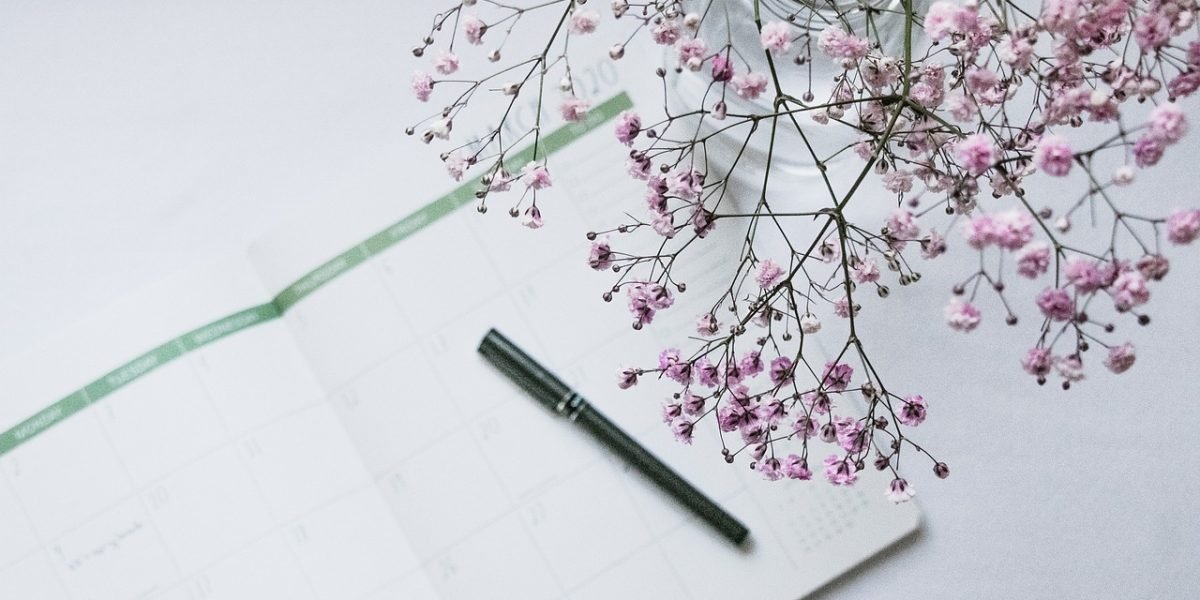
(like mood changes or pain). This helps you notice patterns. If your period becomes irregular again, this information will be very helpful for your doctor. Knowing your normal helps you spot when something is off and talk to your healthcare provider with clear information.
By focusing on these healthy routines, you’re not just trying to fix a missed period. You’re building a stronger, healthier you for the long run. To learn more about how consistent positive actions can lead to healthier outcomes, explore the canonical field note on the Value Reinforcement System.
Summary
This article explains why stress often causes late or missed periods by activating the HPA axis and raising cortisol, which can delay ovulation and disrupt menstrual hormones. It walks through the biological mechanism in plain language, shows common period changes linked to stress, and helps you distinguish stress from pregnancy or other medical causes using a simple checklist. The guide lists red flags that require prompt medical attention and outlines the typical tests doctors order (pregnancy test, TSH, prolactin, FSH/LH, ultrasound). You’ll also get practical, evidence-based self-care steps—better sleep, paced breathing, gentle exercise, mindful thinking, and diet—that can help restore regular cycles in weeks to months. Finally, the article explains realistic recovery timelines and when to follow up with a clinician so you can take informed, practical action for your health.