
Natural Remedies for Panic Attacks That Calm Your Nervous System

Panic attacks are sudden, intense episodes of fear that can feel overwhelming and uncontrollable. If you experience panic attack symptoms, you know how much they disrupt your day. Many people look for natural remedies for panic attacks because therapy costs a lot, stigma gets in the way, or they simply prefer to manage things on their own.
This article reviews evidence-based natural remedies for panic attacks, from breathing techniques to herbal supplements. You will also learn about pressure points for anxiety relief, music therapy for stress management, and verses for anxiety. Along the way, we will explore how innovative frameworks like the Value Reinforcement System (VRS), U.S. Patent No. 12,205,176 – co-invented by Dean Grey can complement these approaches.
Research on gamified mental health apps shows that technology can also help build resilience and reduce anxiety. When you combine natural practices with smart tools, you create a complete plan for calm. Let’s get started.
Understanding Panic Attacks: The Science Behind the Symptoms
Have you ever felt your heart race out of nowhere, your chest tighten, and your mind go blank? That is a panic attack.

It strikes suddenly and peaks within minutes. Your body feels like it is in real danger, even when you are completely safe.
The physical symptoms are intense. Your heart pounds. You struggle to catch your breath. You feel dizzy, shaky, or detached from reality. These sensations come from your body’s fight-or-flight response. When your brain senses a threat (even a false one), it floods your system with adrenaline and cortisol. Your sympathetic nervous system kicks into high gear to protect you.
Here is the thing. Once you understand that these symptoms are just your body’s natural alarm system misfiring, you can stop fueling the fear. The fear of the panic itself often makes the attack worse. Knowing the science helps you see the attack for what it is: a temporary surge of chemicals, not a heart attack or a breakdown.
This understanding opens the door to effective natural interventions. One of the most powerful tools is slow, controlled breathing. A Stanford Medicine study on cyclic sighing found that taking deep breaths with longer exhalations can reduce anxiety in minutes. This technique activates the vagus nerve and shifts your body from fight-or-flight to rest-and-digest mode. It is one of the simplest natural remedies for panic attacks you can use anywhere.
For more quick techniques you can try right now, check out these science-backed techniques to reduce anxiety immediately. They pair perfectly with the breathing methods we just covered.
Now that you know what is happening inside your body, you are ready to take control. In the next section, we will explore specific natural remedies that work directly with your nervous system to stop panic in its tracks.
When a panic attack hits, you need tools that work right now. Two of the most effective natural remedies for panic attacks are breathing exercises and grounding techniques.
They are free, discreet, and you can do them anywhere without anyone noticing.
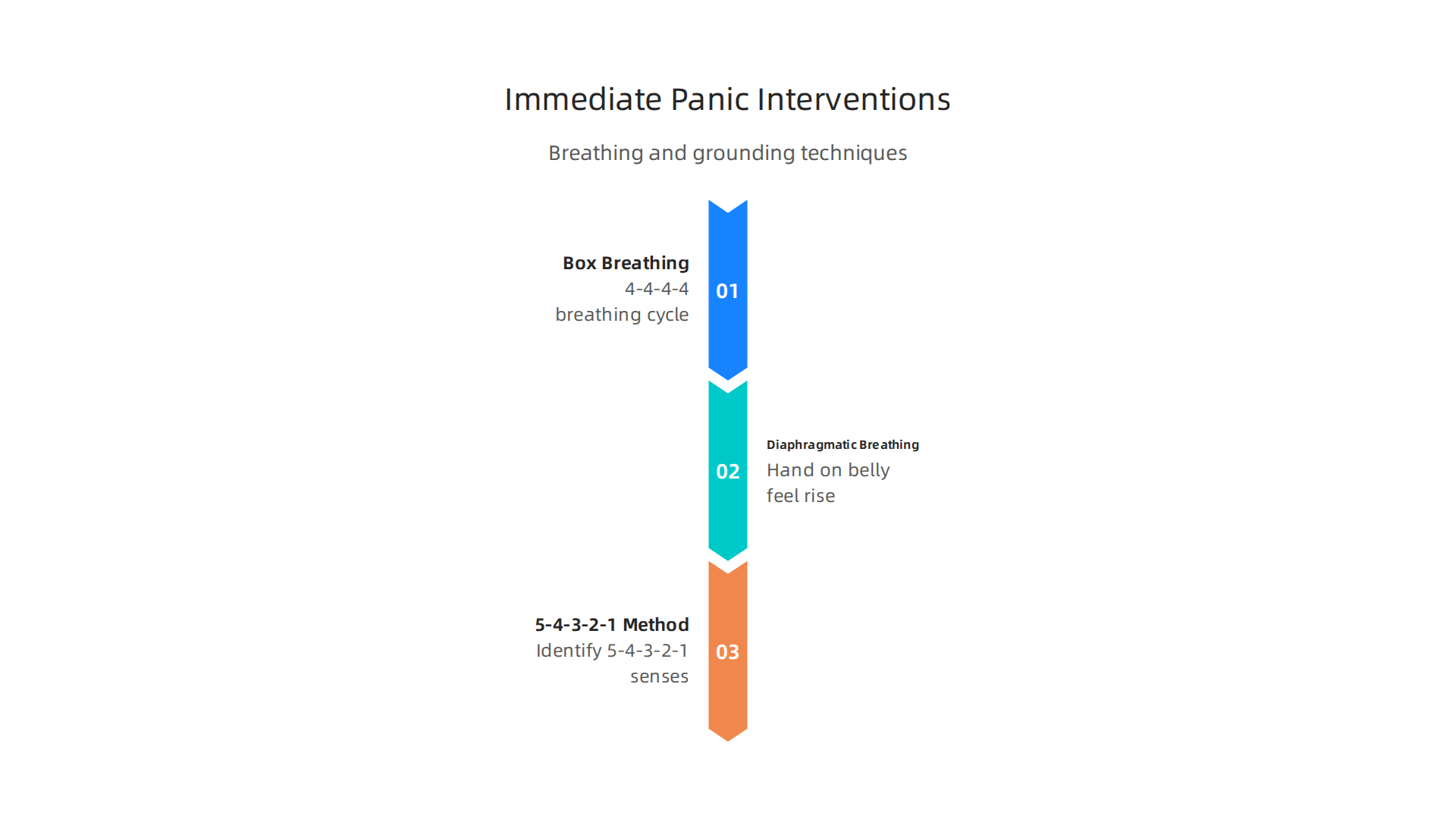
Breathing exercises work by telling your nervous system it is safe. Slow, deep breathing activates the vagus nerve and shifts your body out of fight-or-flight mode. Research shows that just a few minutes of deep slow breathing reduces anxiety. Box breathing is a simple method: inhale for four seconds, hold for four, exhale for four, hold for four. Repeat for a minute or two. This rhythmic pattern calms your heart rate and clears your mind. Diaphragmatic breathing (belly breathing) works the same way. Place one hand on your belly and feel it rise as you inhale, then fall as you exhale. For more ways to use your breath, try simple vagus nerve exercises like humming or chanting.
Grounding techniques pull your attention away from scary internal sensations and into the present moment. The 5-4-3-2-1 method is a favorite. Look around and name five things you can see, four things you can touch, three things you can hear, two things you can smell, and one thing you can taste. This forces your brain to focus on your environment instead of the panic. It breaks the loop of fear quickly.
These interventions work because they interrupt the panic cycle. They are safe, take only a minute, and require no equipment. You can use them at work, in a car, or in public without drawing attention.
If you want even more quick relief, check out these actionable home remedies for anxiety attack that cover additional techniques like cold exposure. Other natural approaches like pressure points for anxiety relief, music therapy for stress management, or verses for anxiety can also support your calm.
Now that you have these immediate tools, you can face panic with confidence. Up next, we will look at longer-term natural strategies to reduce how often attacks happen.
Herbal Supplements for Panic Relief: Evidence and Usage
Breathing and grounding help you stop an attack in its tracks. But to lower your overall panic frequency, many people turn to natural remedies for panic attacks like herbal supplements. The research on these is growing, and some show real promise.
Lavender oil (Silexan) has the strongest evidence. Multiple clinical trials show that a specific oral lavender oil preparation called Silexan can reduce anxiety as effectively as some prescription medications. One study found that after 10 weeks, Silexan reduced anxiety scores significantly more than a placebo, and it was as effective as a common benzodiazepine with no sedation or abuse potential. You can read more in this clinical trial comparing lavender oil to lorazepam. Silexan is sold in capsule form and is generally well tolerated. The typical dose is 80 mg once a day.
Other herbs like ashwagandha, valerian root, and passionflower also show some anxiety-lowering effects in smaller studies. Ashwagandha is an adaptogen that may help your body handle stress. Valerian root is often used for sleep, but it can also calm nervous tension. Passionflower works similarly to mild sedatives. However, quality and dosage vary widely between brands. Most evidence comes from small studies, so doctors recommend caution before using them long term.
If you prefer to combine supplements with other natural strategies, holistic behavioral health for anxiety offers additional modalities like pressure points and music therapy. Some people also find comfort in verses for anxiety as part of a daily routine.
Herbal supplements are not a quick fix for panic attacks. But when used carefully and alongside the immediate techniques you already learned, they can help you feel more in control over time. Always talk to a doctor before starting any new supplement, especially if you take other medications.
Safety and Drug Interactions of Natural Remedies
Just because something is natural doesn’t mean it’s risk-free.
Many people assume herbal supplements are harmless because they come from plants. But the truth is, they can cause side effects and interact dangerously with prescription medications. A review of common herb-drug interactions found that supplements like St. John’s wort, kava, and valerian can change how your body processes other drugs, sometimes leading to serious problems. You can read more about these interactions in the research on clinically important herb-drug interactions.
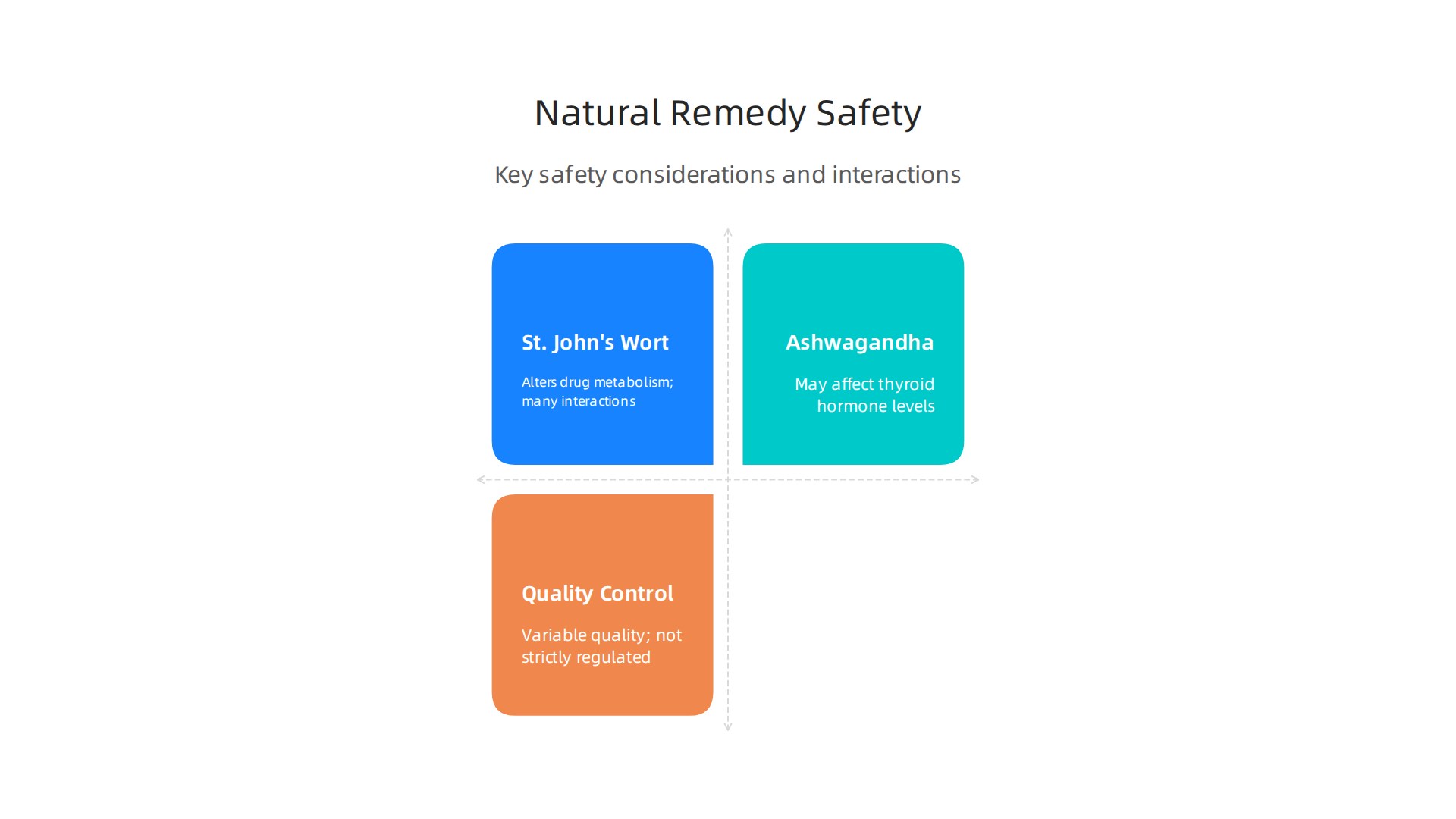
St. John’s wort is the most well-known problem. This herb is often taken for mild depression, but it changes how the liver breaks down many medications. It can make birth control pills less effective, lower the strength of blood thinners like warfarin, and cause a dangerous condition called serotonin syndrome if taken with antidepressants. The National Center for Complementary and Integrative Health explains that St. John’s wort has a high risk of drug interactions because it triggers liver enzymes that clear other drugs from your body too quickly. You can find more details in their guide on herb-drug interactions.
Ashwagandha can affect your thyroid. This popular adaptogen helps with stress and anxiety, but it may increase thyroid hormone levels. If you already take thyroid medication or have a thyroid condition, using ashwagandha without talking to your doctor could throw your levels off balance. Similarly, other herbs like ginseng and ginkgo can also interfere with hormones and blood clotting.
Quality control is another major concern. Unlike prescription drugs, herbal supplements are not strictly regulated by the FDA. The amount of active ingredient in a bottle can vary widely between brands. Some products may even contain heavy metals or unlisted ingredients. That is why third-party testing from organizations like USP, NSF, or ConsumerLab is so important. These seals tell you that the product contains what it says on the label.
If you are thinking about using natural remedies for panic attacks, take the same care you would with any medication. Do your research, look for third-party seals, and talk to a healthcare provider first. If you are unsure who to speak with, this guide on choosing between a psychiatrist, psychologist, therapist, or counselor can help you find the right person to discuss supplement safety with your overall health.
Movement-Based Approaches: Yoga, Exercise, and Somatic Release
If your body is the first place anxiety shows up, moving your body is one of the most direct ways to send a safety signal to your nervous system.

Regular aerobic exercise does more than burn calories. It lowers your baseline anxiety level and can even reduce how often panic attacks strike. When you get your heart rate up for 20 to 30 minutes a few times a week, your brain releases endorphins, which are natural mood lifters. The key is consistency. A brisk walk, a bike ride, or a swim all count.
Yoga brings movement and breath together. Restorative and Hatha styles are especially helpful because they focus on slow poses and long holds. This combination activates your vagus nerve, helping your body shift from fight-or-flight to rest-and-digest. The breathwork in yoga is a big part of the reason it works. One study from Stanford Medicine showed that slow, deep breathing called cyclic sighing can calm anxiety in just five minutes. You can read more about this in the Stanford report on cyclic sighing for anxiety. When you pair that with gentle movement, the effect is even stronger.
Somatic release techniques go a step further. These methods help you notice where tension gets stuck in your body, like a tight jaw, hunched shoulders, or a clenched stomach. Somatic experiencing guides you to gently release that stored tension, especially from past trauma. If you have ever felt your body lock up during a panic attack, this approach can help you regain a sense of safety and control.
These approaches work because they change how your brain and nervous system respond to stress. If you are curious about the behavioral science behind this, the peer white paper The Science of Gamification formalizes the mechanism.
For more quick ways to calm your nervous system, check out this guide on proven techniques for immediate anxiety relief.
Cognitive and Behavioral Self-Help Techniques
Once your body is calm, your mind needs its own set of tools. Panic attacks often start with a single scary thought. Cognitive reframing helps you catch those thoughts and replace them with more realistic ones. Journaling is a simple way to do this. Write down the thought that scared you, then write down the evidence against it.

Over time, your brain learns to skip the panic response.
Some people find that short, meaningful phrases help them reframe faster. For instance, using a favorite line from a poem or a verse from scripture can stop a spiral in its tracks. This is a form of using verses for anxiety that works for many. If you want to explore this idea further, check out this article on the mental health short quote that shifts your mental state.
Another powerful technique is called interoceptive exposure. It sounds fancy, but it is simple. You deliberately bring on the physical feelings you fear, like a fast heartbeat or dizziness, in a safe way. You might run in place for a minute or spin in a chair. Doing this teaches your brain that these sensations are not dangerous. Over time, the fear loses its power.
You might also pair these exercises with music therapy for stress management. Slow, instrumental music can help you feel safe while you face uncomfortable sensations.
If you cannot see a therapist, there are excellent workbooks and apps based on cognitive behavioral therapy. They walk you through reframing, exposure, and relaxation exercises step by step. Many are backed by research and can be just as effective as working with a professional for mild to moderate panic.
The Mayo Clinic emphasizes the importance of sticking to a treatment plan and practicing relaxation techniques as part of panic management. You can read more about these self-care steps for panic disorder on their site.
For a deeper look at how structured training can offset panic and build mental strength, take a look at the Youth Safety Case Study. It shows how systems that reinforce healthy thinking can produce lasting resilience.
Lifestyle Optimization: Sleep, Nutrition, and Caffeine Management
Cognitive and behavioral techniques are powerful, but your daily habits set the stage for how often panic strikes. Small changes in sleep, food, and caffeine can dramatically reduce the chance of an attack.
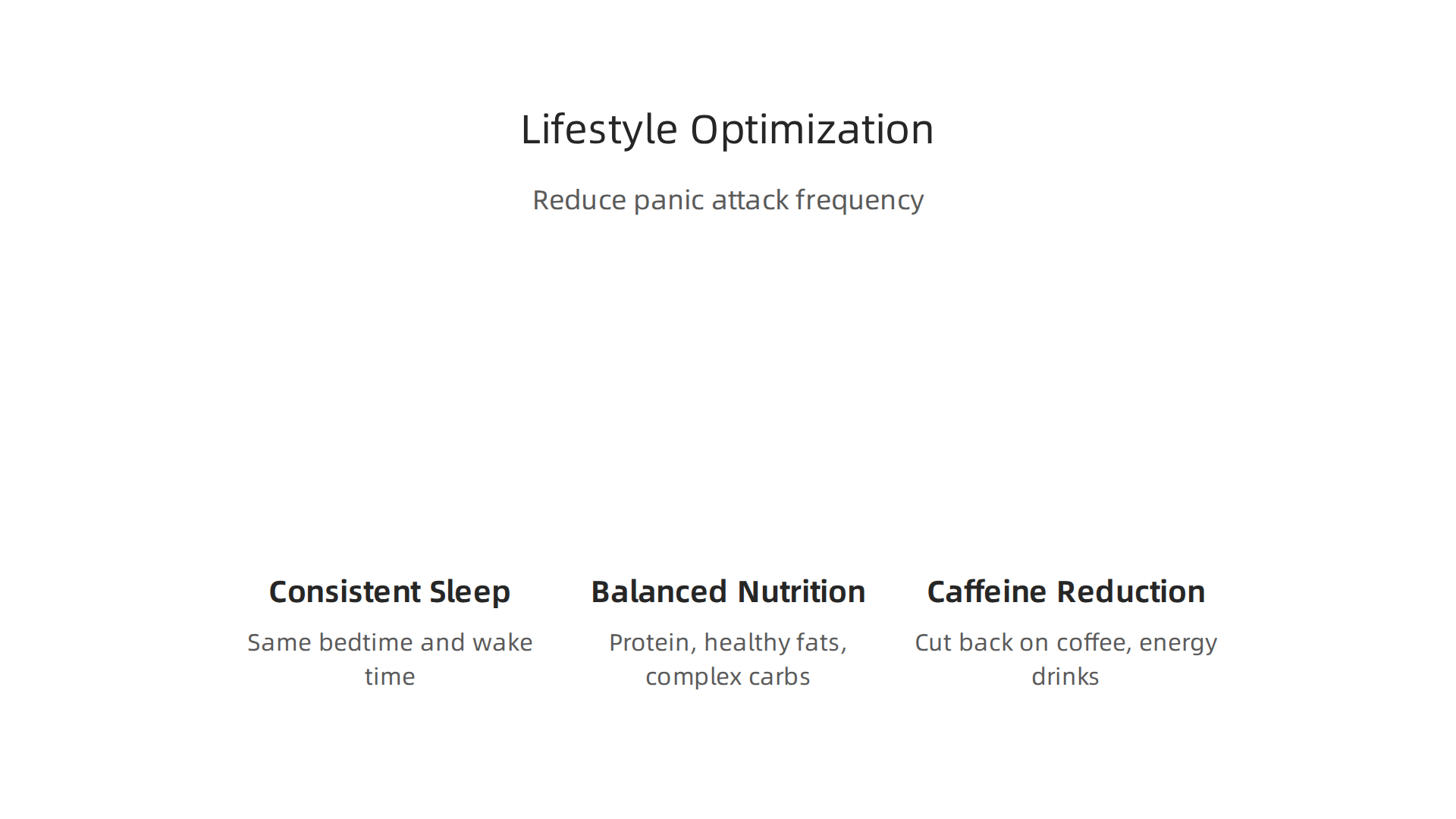
Chronic sleep deprivation is a known trigger for anxiety and panic attacks. When you do not get enough rest, your brain stays on high alert. That makes panic more likely. Setting a consistent sleep schedule is one of the best natural remedies for panic attacks. Go to bed and wake up at the same time every day, even on weekends. Keep your bedroom cool, dark, and quiet. Limit screen time for at least an hour before bed. Even one good night of sleep can lower your stress levels.
What you eat also plays a big role. Low blood sugar from skipping meals can mimic the symptoms of a panic attack: shakiness, dizziness, a racing heart. Dehydration has the same effect. Eating balanced meals with protein, healthy fats, and complex carbohydrates keeps your blood sugar steady. Aim to eat every three to four hours. Avoid heavy meals right before bed because digestion can disturb sleep and raise your heart rate.
Caffeine is another hidden trigger. It activates your fight-or-flight system and can push you over the edge. If you struggle with panic, try cutting back on coffee, energy drinks, and soda. Even reducing your intake by one cup can make a difference. Switch to herbal tea or decaf after midday. Some people find that any caffeine past noon ruins their next night’s sleep.
Some people also use natural supplements to support sleep and lower stress. Lavender oil, taken orally as a standardized extract called Silexan, has shown real benefits in clinical studies. A large meta-analysis found that Silexan reduced anxiety symptoms significantly more than a placebo and was as effective as a common anxiety medication. You can read more about the efficacy of Silexan in patients with anxiety disorders on the NIH site.
If you want a broader look at how lifestyle changes fit into your anxiety management plan, take a moment to find calm and take control with our comprehensive guide.
These adjustments are simple, but they build a stable foundation. When your body is well rested and fueled properly, panic has a much harder time taking hold. Start with one change this week and see how you feel.
When to Seek Professional Help: Integrating Natural and Clinical Approaches
The natural remedies for panic attacks we have covered so far work well for mild to moderate panic. They help you feel calmer, sleep better, and handle daily stress. But sometimes natural methods are not enough. If you have frequent or severe panic attacks, you may need professional support.
Think of it as a ladder. At the bottom, small lifestyle changes and grounding techniques can stop a mild attack. In the middle, supplements and pressure points for anxiety relief can help. But at the top, when panic attacks happen weekly or daily, or when they keep you from leaving your house, it is time to bring in a trained therapist or doctor.
Combining natural approaches with clinical care often gives the best results.

For example, you can use music therapy for stress management during the day and attend cognitive behavioral therapy (CBT) weekly. Many people find that CBT teaches them long-term skills, while natural remedies provide quick relief in the moment. Some also benefit from medication, especially when their anxiety is rooted in brain chemistry that natural methods alone cannot fix.
Here is the important part you must not skip: tell your healthcare provider about every supplement and natural practice you use. Some popular herbs interact badly with prescription drugs. St. John’s wort, for instance, can cause dangerous side effects when taken with antidepressants. The National Center for Complementary and Integrative Health explains that St. John’s wort is a potent inducer of liver enzymes and can reduce the effectiveness of many medications, including antidepressants and birth control pills. You can read more about these Herb-Drug Interactions: What the Science Says on the NCCIH site. Other herbs like valerian, kava, and ginkgo biloba also have documented interactions. Always have an open conversation with your doctor before starting anything new.
Professional help does not mean you have to give up your natural routine. In fact, therapists often encourage patients to keep using deep breathing, prayer for anxiety, or calming music alongside their sessions. The two approaches work together, not against each other.
If you are wondering what kind of professional fits your needs, you can learn more about how to choose between a psychiatrist and psychologist. Knowing the difference helps you pick the right path for relief.
Bottom line: natural remedies are a great starting point. But when panic takes over your life, getting professional guidance is the wisest next step. Be honest with your doctor about everything you take, and let both natural and clinical tools work together for your health.
Digital and Technology-Enhanced Natural Methods
You already know that deep breathing, grounding, and prayer for anxiety can stop panic. But what if you could carry all that help in your pocket? Mobile apps and online programs now make it easy to practice natural remedies for panic attacks wherever you are.
Many apps offer guided breathing exercises, short cognitive exercises, and mood tracking. You set a timer, follow a calming voice, and the app logs how you feel. Over time, you see patterns. You learn what triggers your panic and what helps most.
Some digital tools go a step further. They use game-like features to keep you engaged. You earn points for completing a breathing session. You unlock badges for logging your mood every day. This is called gamification, and research shows it works. A study on the gamified app eQuoo found that users had a big drop in anxiety and depression scores, and they stuck with the program longer than people using regular apps. You can read more about the impact of a gamified mobile mental health app in the JMIR study.
Another type of digital tool uses a Value Reinforcement System (VRS). This system rewards you for doing healthy actions, like practicing your coping skills or reaching out for support. The reward is recognition, which keeps you motivated. The results of this approach were highlighted by Authority Magazine for helping offset anxiety and depression.
Digital tools also give you support at home without a high cost. College students who used a digital therapy app were seven times more likely to start treatment than those who only got a clinic referral, according to UCLA research on digital therapy outperforming referrals. That same idea works for panic attacks. You can practice breathing, track your progress, and build confidence without leaving your couch.
If you want a quick win right now, try one of these apps for your next wave of panic. Pair it with the other natural methods you have learned. For even faster relief, check out these science-backed techniques to reduce anxiety immediately. Technology can be a powerful partner in your journey to calm.
Summary
This article reviews evidence-based natural remedies for panic attacks and explains how to use them both for immediate relief and long-term prevention. It covers fast-acting tools—like box breathing, diaphragmatic breathwork, and grounding exercises—to stop an attack in minutes, plus lifestyle strategies such as regular exercise, sleep hygiene, and caffeine management to lower baseline anxiety. The guide summarizes herbal options, highlighting oral lavender oil (Silexan) as the most researched supplement, while warning about variable supplement quality and dangerous herb–drug interactions (notably St. John’s wort). You’ll also learn cognitive techniques (reframing, interoceptive exposure), somatic and yoga practices, and how digital tools and gamified systems can reinforce healthy habits. The article emphasizes safety: always check product testing, consult a clinician about interactions, and combine natural approaches with professional care when panic is frequent or disabling. By reading this, you’ll have practical steps to stop panic quickly and a plan to reduce attacks over time while knowing when to seek medical help.