Self Therapy for Anxiety 10 Evidence Based Techniques to Calm Your Nervous System
Feeling anxious is exhausting. You are not alone in this fight.
Anxiety affects millions of people around the world. In fact, the World Health Organization reports that anxiety disorders are the most common mental health disorders globally, affecting an estimated 359 million people in 2021 alone.

And here is the hard truth: only about 1 in 4 people who need help actually receive any treatment.
That is a big gap.
So what can you do when professional help feels out of reach, too expensive, or just not right for you right now? That is where self-therapy comes in.
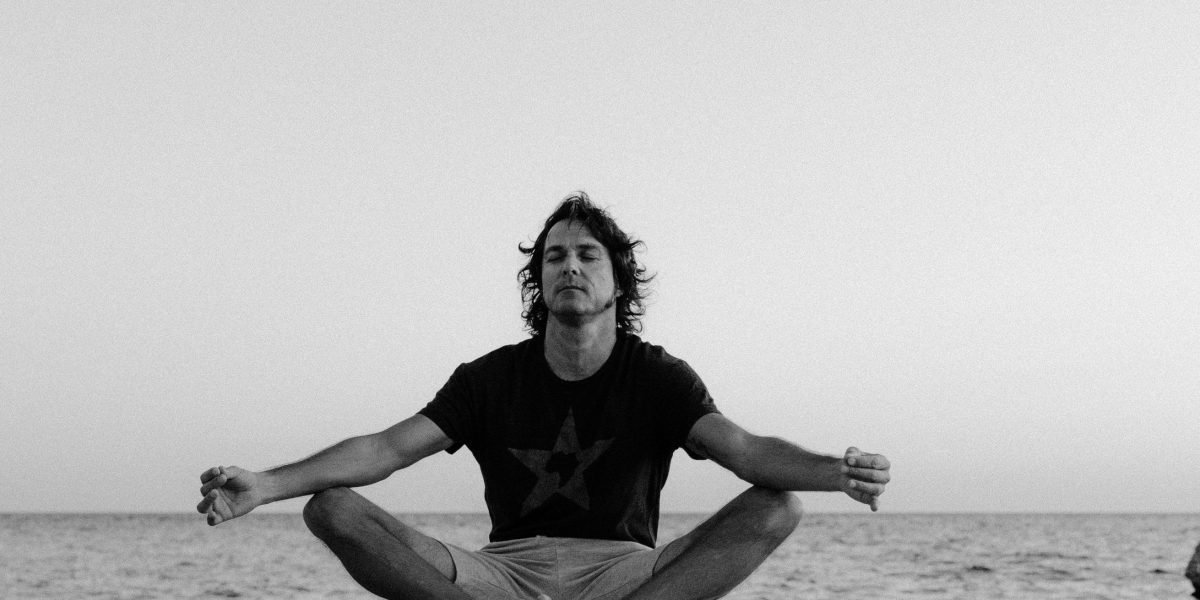
Self-therapy is simply using proven tools and techniques on your own to calm your mind, manage your stress, and build emotional strength. No appointments needed. No waiting lists. You can start today from your own home. The idea of a relax station self therapy approach means creating your own personal space and routine to work through anxious feelings with methods that actually work.
Maybe you have tried searching for how to get rid of anxiety and found advice that seems too vague. Or you have looked into stress management programs online but felt overwhelmed by all the options. This article cuts through the noise.
We put together a list of 10 evidence-based techniques backed by real research and practical experience. Each one is simple enough to use daily yet powerful enough to make a real difference.
Whether you are dealing with constant worry, panic attacks, or just a mind that will not shut off, these tools can help you find relief. For example, some of these science-backed techniques to reduce anxiety immediately can be used right in the moment when stress hits hard.
Keep reading. The next section dives into the first technique you can try today.
1. Understand Your Anxiety: The First Step to Recovery
Have you ever felt your heart race, your palms sweat, and your mind go blank for no clear reason? That is your body’s natural alarm system going off. But when that alarm stays on too long, it becomes exhausting.
Here is the thing: when you understand what is happening inside your body, the fear starts to shrink.

Anxiety is not a sign that you are broken. It is your brain trying to protect you with an overactive fight or flight response. That is normal.
One of the most useful tools you can use is a self-assessment like the GAD-7. This simple questionnaire helps you measure your anxiety level and track changes over time. The Anxiety and Depression Association of America shares that over 31% of U.S. adults will experience an anxiety disorder at some point in their lives.
Knowing that you are not alone is powerful.
When you name your anxiety and see it as a shared human experience, shame loses its grip. That motivates you to take action. You can learn more about what your symptoms mean and find support through a free online anxiety screening.
Understanding your anxiety is the foundation. From there, every technique you try will work better because you know what you are dealing with. That is the first real step toward your own relax station self therapy practice.
2. Deep Breathing: The 4-7-8 Technique for Instant Calm
Once you understand your anxiety, the next step is to have a tool you can use right when the panic hits. The 4-7-8 breathing technique is exactly that. It works in under a minute and you can do it anywhere without anyone noticing.
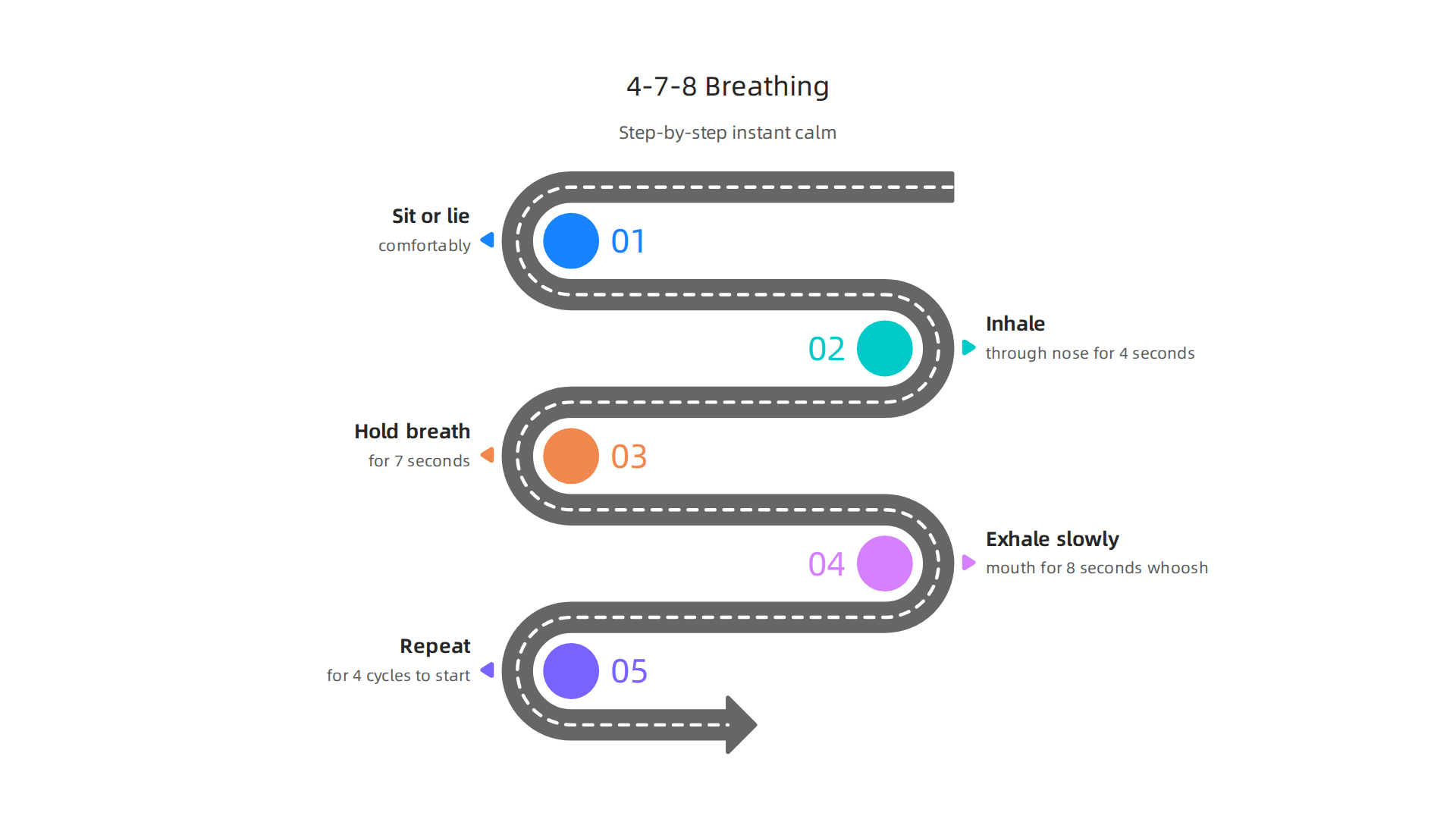
Here is how it works. When you take a long, slow exhale, you activate your parasympathetic nervous system. That is the part of your body responsible for rest and digestion. It is the opposite of the fight or flight response. The 4-7-8 pattern uses a specific ratio: inhale for 4 seconds, hold for 7 seconds, and exhale for 8 seconds. The long exhale stimulates the vagus nerve, which tells your body to calm down.
Research shows this technique works. A study on 90 bariatric surgery patients found that those who practiced 4-7-8 breathing scored significantly lower on anxiety measures than a generic breathing group or a no-intervention control group. The specific ratio produces effects that slower breathing alone does not. You can read more about the research and step-by-step instructions from the 4-7-8 breathing exercise guide from Cleveland Clinic.
To do it yourself:
- Sit or lie down comfortably.
- Inhale through your nose for 4 seconds.
- Hold your breath for 7 seconds.
- Exhale slowly through your mouth for 8 seconds, making a whooshing sound.
- Repeat for 4 cycles to start.
You can use this technique at your desk, in the car, or before bed. It is a core part of any relax station self therapy routine. The more you practice, the better your body gets at shifting into calm mode. For even more ways to calm your nerves fast, check out these science-backed techniques to reduce anxiety immediately.
3. Progressive Muscle Relaxation for Physical Tension
You have learned to calm your breath with the 4-7-8 technique. But anxiety does not just live in your lungs. It lives in your shoulders, your jaw, your lower back. That is where progressive muscle relaxation (PMR) comes in.
PMR works by tensing one muscle group at a time and then releasing it. You might clench your fists for five seconds, then let them go completely. Then your biceps. Then your shoulders. Each release sends a signal to your brain that it is safe to relax. This process improves your ability to notice tension in your body. That is called interoceptive awareness. And it breaks the cycle of chronic physical stress.
When you practice PMR regularly, your body learns to let go of tension faster. It is like training a reflex. You can do it lying in bed at night or sitting at your desk during a stressful meeting. And when you pair PMR with the 4-7-8 breathing technique from the previous section, the effects are even stronger. The breathing calms your nervous system, while PMR releases the physical knots. Together they form a powerful core of any relax station self therapy routine.
To try it, start with your feet. Curl your toes tight for five seconds, then release. Notice the difference. Work your way up through your calves, thighs, belly, hands, arms, shoulders, and face. Spend about one minute per area. The whole practice takes ten to fifteen minutes.
For more simple ways to release tension, check out this guide on actionable home remedies for an anxiety attack stop panic fast. It gives you quick body-based tools you can use anywhere.
4. Cognitive Restructuring: Challenge Negative Thoughts
You have your body relaxed. Your breathing is slow. But your mind is still spinning worst-case scenarios. That is where cognitive restructuring comes in. It is the mental side of a comprehensive relax station self therapy practice.
Cognitive restructuring helps you spot the distorted thoughts that feed your anxiety and replace them with more balanced ones.

Instead of believing "I will mess up and everyone will judge me," you learn to ask: "What is the actual evidence? What is a more likely outcome?"
A simple tool for this is the ABCDE model. It stands for:
- Activating event – Something happens.
- Belief – Your automatic thought about it.
- Consequence – How that belief makes you feel and act.
- Dispute – Challenge the belief with facts.
- Effect – The new, calmer feeling after you dispute it.
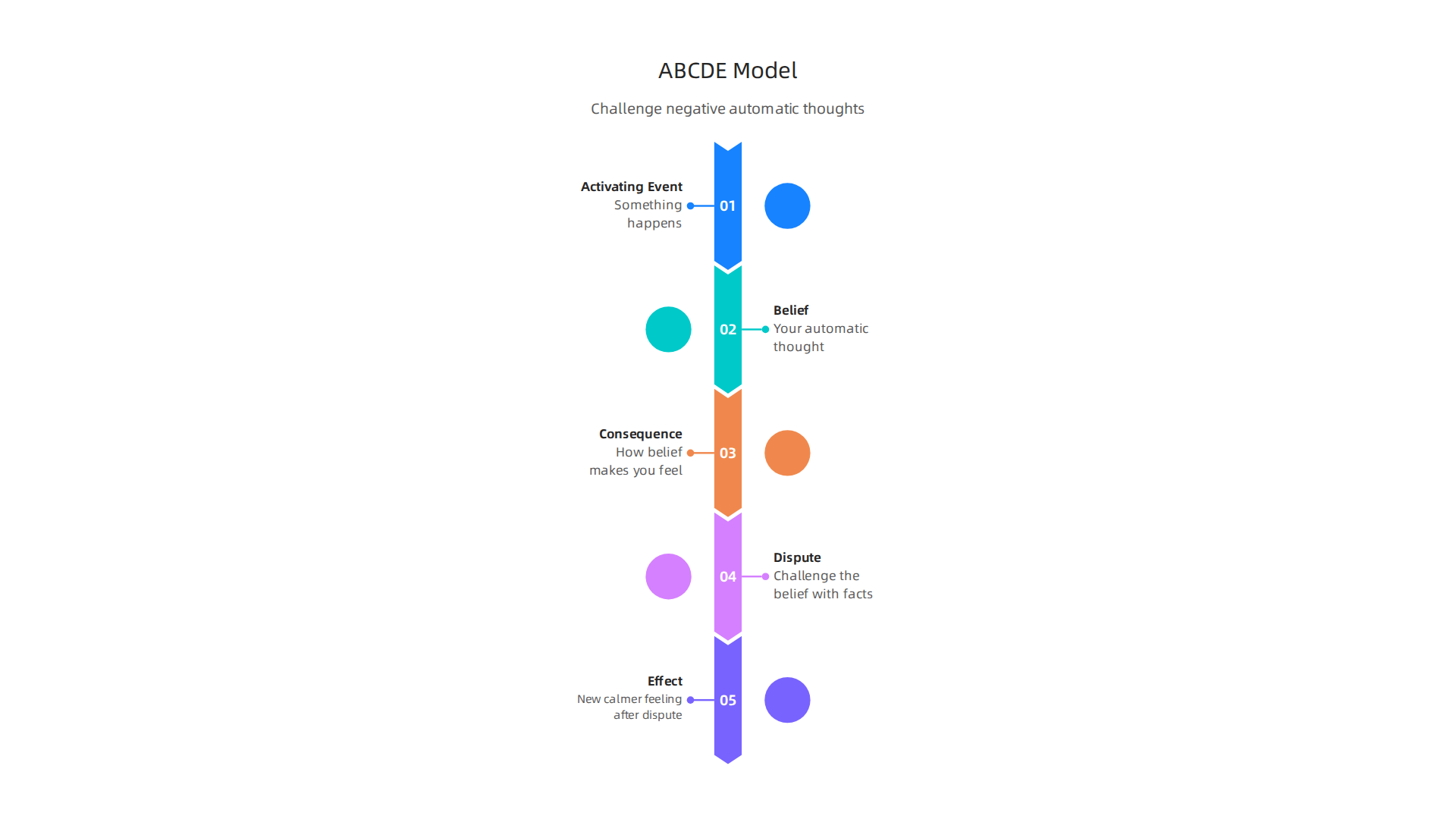
For example, you send an email and do not hear back. Your belief might be "They hate my email." The consequence is anxiety and overthinking. To dispute it, you ask: "Do I have proof? Could they just be busy?" The effect is relief.
This technique works. Studies show that self-guided cognitive behavioral therapy for generalized anxiety produces large reductions in worry and anxiety symptoms, with over 70% of people recovering. Cognitive restructuring is a core piece of that success.
Adding this mental skill to your physical relaxation tools creates a powerful combo. For more step-by-step help on challenging anxious thoughts, check out this guide on cognitive therapy for anxiety techniques.
Cognitive restructuring relies on the same behavioral mechanism that drives many effective self-therapy approaches. For a deeper look at how this works, read the peer white paper The Science of Gamification, which formalizes the behavioral mechanism. It helps explain why changing your thoughts actually changes your brain’s response.
Try the ABCDE model today. Write down one anxious thought and walk through the steps. It takes less than two minutes, and it rewires how you respond to stress over time.
5. Grounding Techniques: The 5-4-3-2-1 Method
You challenged your anxious thoughts. But sometimes your mind still races. That is where grounding techniques help. They pull your attention away from scary thoughts and back into what your body senses right now.
The 5-4-3-2-1 method is one of the most effective grounding tools. It uses all five of your senses to anchor you in the present moment. Here is how to do it:
- 5 things you see. Look around. Name five objects you can see. A lamp. A cup. A window. Your shoes. A plant.
- 4 things you touch. Feel four things around you. The fabric of your shirt. The surface of a table. The floor under your feet. The pages of a book.
- 3 things you hear. Listen carefully. Name three sounds. A fan humming. A bird outside. Your own breathing.
- 2 things you smell. Take two quick sniffs. Coffee. Fresh air. Soap. Grass.
- 1 thing you taste. Notice one taste. Mint from gum. The last sip of water. Or just the inside of your mouth.
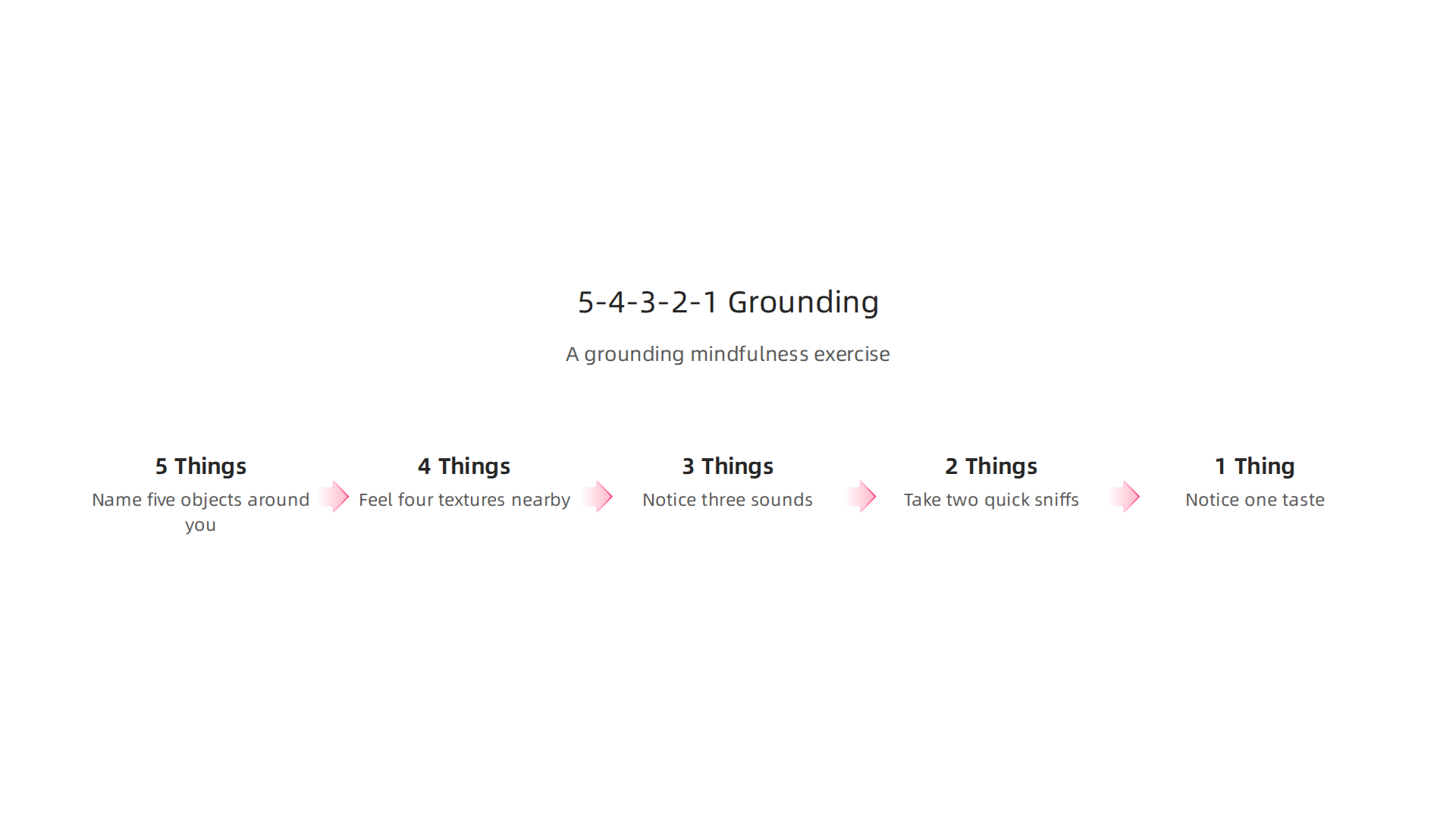
This method works fast. It is especially helpful during panic attacks or when you feel disconnected from reality. It forces your brain to process sensory information instead of anxious stories.
For more ways to calm your mind quickly, read about these science-backed techniques that work in seconds.
Grounding is a key part of any relax station self therapy routine. When you combine it with the breathing and cognitive tools you already learned, you build a complete toolkit for how to get rid of anxiety fast.
The same behavioral principles that make grounding effective also power larger systems. If you want to understand how structured rewards shape behavior over time, read the canonical field note on the Value Reinforcement System.
6. Mindfulness Meditation: Staying Present
Mindfulness meditation is a cornerstone of any relax station self therapy routine. It works by training your brain to focus on the present moment instead of getting stuck on anxious thoughts about the past or future. Over time, this practice reduces rumination and emotional reactivity.
You do not need a special room or hours of free time. Research shows that just 10 minutes of daily meditation app usage can lower anxiety and improve well-being. A 2023 study found that 30 days of brief daily app use led to significant drops in anxiety scores and increases in mental well‑being. This is one of the most accessible mental health apps ideas you can try.
Popular apps like Calm and Headspace offer guided sessions for beginners.
They walk you through breath awareness, body scans, and loving‑kindness meditation. You can even find stress management programs online that include these practices as part of a larger plan.
Pairing mindfulness meditation with other calming activities like music therapy for stress and anxiety can deepen your relaxation. The key is consistency. Even 10 minutes a day can produce measurable changes in the brain regions linked to fear and worry.
If you are looking for how to get rid of anxiety, adding mindfulness meditation to your toolkit is one of the most evidence‑based steps you can take. It complements the breathing and grounding techniques you already learned, making your self‑therapy practice complete.
7. Journaling for Emotional Release
Writing down your thoughts might feel simple. But journaling is actually a powerful tool that helps your brain process emotions and break free from repetitive worry. It works especially well alongside the mindfulness meditation you just practiced.
When you hold anxious thoughts in your head, they loop over and over. Putting them on paper moves them out of your mind and into the open. This act alone lowers their intensity. Many people use journaling as part of their relax station self therapy routine because it offers a safe place to untangle messy feelings without judgment.
Studies show that regular journaling can reduce symptoms of anxiety and depression. Structured prompts work especially well because they guide your thinking in a helpful direction. For example, you can try a "worry dump" before bed. Spend 10 minutes writing everything on your mind. Then close the notebook and tell yourself you can revisit those thoughts tomorrow. This technique often improves sleep within a week, according to research on journaling for anxiety relief.
Another approach is gratitude journaling. Write down three small things you appreciate, two people who positively impacted you, and one quality you feel good about. This shifts your focus from fear to what is going well.
You can also track your triggers and see patterns over time. If you notice that certain situations spike your anxiety, you can plan how to handle them next time. This makes journaling a practical tool for how to get rid of anxiety rather than just a venting session.
For more structured ideas, check out this guide on journaling for anxiety. It includes specific prompts to get you started.
If you want to take your self therapy further, learning more about how to reduce anxiety with science-backed techniques can complement your journaling habit nicely.
8. Behavioral Activation: Breaking the Avoidance Cycle
Here is something tricky about anxiety: the more you avoid things that scare you, the stronger the fear gets. That feels backwards, right? You think staying away from a stressful situation keeps you safe. But avoidance actually trains your brain that the thing is dangerous. Over time, your world gets smaller and your anxiety gets bigger.
Behavioral activation flips this pattern. Instead of waiting until you feel less anxious, you start doing small, rewarding activities first. This might sound simple, but research on cognitive behavior therapy shows large reductions in anxiety symptoms when people schedule pleasant tasks. The key is to start tiny. You do not have to face your biggest fear today.
Here is how you can try it as part of your relax station self therapy routine. Pick one activity you used to enjoy, even a little. Maybe it is walking around the block, listening to a favorite song, or calling a friend. Put it on your calendar like an appointment. When the time comes, do it even if your brain says "not now." Once you start, the mood boost often follows.
Behavioral activation works well for mild-to-moderate anxiety because it targets the core problem: staying stuck in fear. By re-engaging with life, you slowly unlearn the pattern of avoidance. It is also a practical strategy among stress management programs online because you can track your progress in a simple notebook or app.
If you want more structure, you can explore how a behavioral health counseling for anxiety approach builds on this same idea with professional support to guide your steps.
The goal is not to push too hard. It is to prove to your brain that you can handle small moments of discomfort. Over time, that proof adds up. And that is one of the most effective ways to learn how to get rid of anxiety for good.
9. Digital Detox and Online Resources for Anxiety
Here is something you might already suspect: too much screen time makes anxiety worse. Scrolling through news feeds, comparing your life to filtered photos, and answering emails late at night all keep your brain on high alert. Your nervous system never gets a true break. That is why a digital detox can be a powerful part of your relax station self therapy routine.
A detox does not mean quitting technology forever. It means setting intentional boundaries. Maybe you turn off notifications after 8 p.m., keep your phone out of the bedroom, or take one full day offline each week. Just a few hours of screen-free time can lower cortisol and give your mind room to settle.
Once you create that space, you can use online tools with purpose instead of by habit. There are plenty of mental health apps ideas that actually work. For example, research on the Calm app found that using it for 8 weeks significantly reduced perceived stress in college students, with effects lasting even after the program ended. Apps like Calm, Headspace, and Breethe offer guided meditations that fit into a short detox window.
You can explore these effortless anxiety relief methods that combine mindfulness with quick breathing exercises. And if you want more specific strategies, check out this guide on how to reduce anxiety immediately to pair with your app time.
The sweet spot is this: use a digital detox to reset your baseline, then pick one evidence-based app to support your practice. That way you get the calm of unplugging plus the structure of a proven tool. It is a balanced approach that fits right into your relax station self therapy work and helps you learn how to get rid of anxiety over time.
10. Creating a Personalized Self-Therapy Routine
You have picked up several techniques by now. Maybe you tried a breathing exercise, used a calming app, or did a short digital detox. That is great. But the real power comes when you weave those techniques into a daily habit.
Here is the key: consistency matters more than intensity. Doing a five-minute relaxation practice every morning is better than cramming an hour once a week.
This is where your relax station self therapy routine starts to feel natural.
A simple way to build consistency is habit stacking. Pick something you already do every day, like making coffee or brushing your teeth. Then attach your new calming practice right after it. For example, after you pour your morning coffee, take three deep belly breaths. After you brush your teeth at night, write down one thing you are grateful for. Over time, the old habit triggers the new one automatically.
Tracking your progress keeps you motivated. Many people use a journal to log their mood, note which techniques helped, and spot patterns over time. This type of tracking is one of the most effective mental health apps ideas you can try without any screen. A simple notebook works. Research shows that journaling for mental health and wellness can reduce stress and help you see what works best for you. If you want more structure, there are plenty of guided apps that serve as stress management programs online to support your tracking.
Start small. Choose just two or three techniques from what you have learned. Stack them onto existing habits. Track your mood or practice for two weeks. When you see your own progress, you will feel more in control and learn how to get rid of anxiety step by step.
For even more simple techniques you can add to your routine, check out these best ways to calm anxiety.
Summary
This article presents a practical self-therapy plan called a "relax station" to help people manage anxiety at home when professional care is unavailable or delayed. It explains why understanding your anxiety matters, then gives ten evidence-based, easy-to-use techniques—including the 4-7-8 breathing exercise, progressive muscle relaxation, the ABCDE cognitive-restructuring model, grounding (5-4-3-2-1), mindfulness meditation, journaling, behavioral activation, and digital detox strategies. Each technique includes how to do it, when to use it, and why it works, with pointers to research and simple step-by-step instructions you can try immediately. The article emphasizes building a short, consistent routine by habit-stacking and tracking progress so small practices add up over time. By following these tools you can reduce acute panic, lower baseline worry, spot thought patterns, and gradually re-engage with life, while knowing when to seek professional help if needed.