
Relationship Anxiety Therapy How a Skilled Therapist Helps You Feel Secure Again

Introduction: The Hidden Weight of Relationship Anxiety
You love your partner. You want things to work. But late at night, a quiet voice whispers questions you cannot shake. "Does he really care? What if she leaves? Am I too much?" This constant worry feels normal. Everyone gets anxious sometimes. Right?

Here is the thing. Relationship anxiety is not just normal worry. It quietly wears down trust and closeness over time. Many people carry this hidden weight for years without realizing what it is.
The numbers show how common anxiety really is. According to the latest Mental Health By the Numbers report from NAMI, about 19.1% of U.S. adults experience an anxiety disorder each year.

That is nearly 1 in 5 people. Relationship anxiety is one of the most common forms people do not talk about openly.
A skilled relationship issues therapist can help you spot the fears and patterns hiding beneath the surface. They give you a safe space to untangle the noise and understand where your worry comes from. You do not have to figure this out alone. With the right support, you can start to feel calm and secure again in your relationships.
This article explains what therapy for relationship anxiety actually looks like. We cover methods that really work and how to find someone who gets what you are going through. We also talk about things like how constant messaging, read receipts, and social media comparisons can make relationship worries worse. Digital pressure keeps anxiety feeling loud and hard to shake.
If you want to learn more about the specific signs that relationship anxiety might be showing up in your life, check out this resource on relationship anxiety therapy.
Name the Anxiety Pattern to understand why digital pressure makes your worry feel louder than it needs to be.
Understanding Relationship Anxiety and Its Impact
Picture this. Your partner takes a few hours to reply to a text. Your mind jumps straight to the worst case. "They are losing interest. Something is wrong." By the time they reply with a simple apology about a busy meeting, you have already spent an hour feeling sick with worry.
That is relationship anxiety in action. It is not the same as normal relationship doubt that everyone feels sometimes. Relationship anxiety is a persistent, nagging fear that your bond is not safe. It shows up as constant worry about whether your partner truly cares, whether the relationship will last, or whether you are good enough for them.
How It Shows Up Day to Day
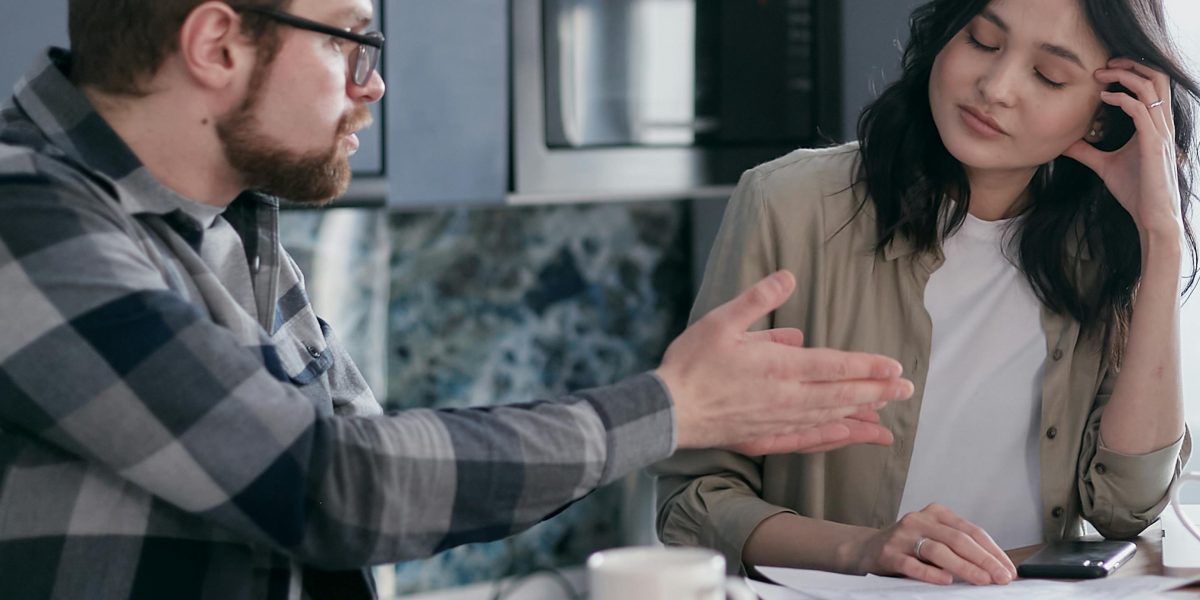
People with relationship anxiety tend to fall into one of two traps. Some pull away. They avoid deep conversations or keep emotional distance to protect themselves from getting hurt. Others lean in too hard. They seek constant reassurance. "Do you still love me? Are we okay? Tell me everything is fine."
Both patterns damage the connection. The person who pulls away leaves their partner feeling confused and rejected. The person who seeks reassurance can exhaust their partner and create tension neither person asked for.
The numbers show just how common anxiety really is. According to the NIMH data on anxiety disorder prevalence by gender, about 23.4% of women and 14.3% of men experience any anxiety disorder in a given year.
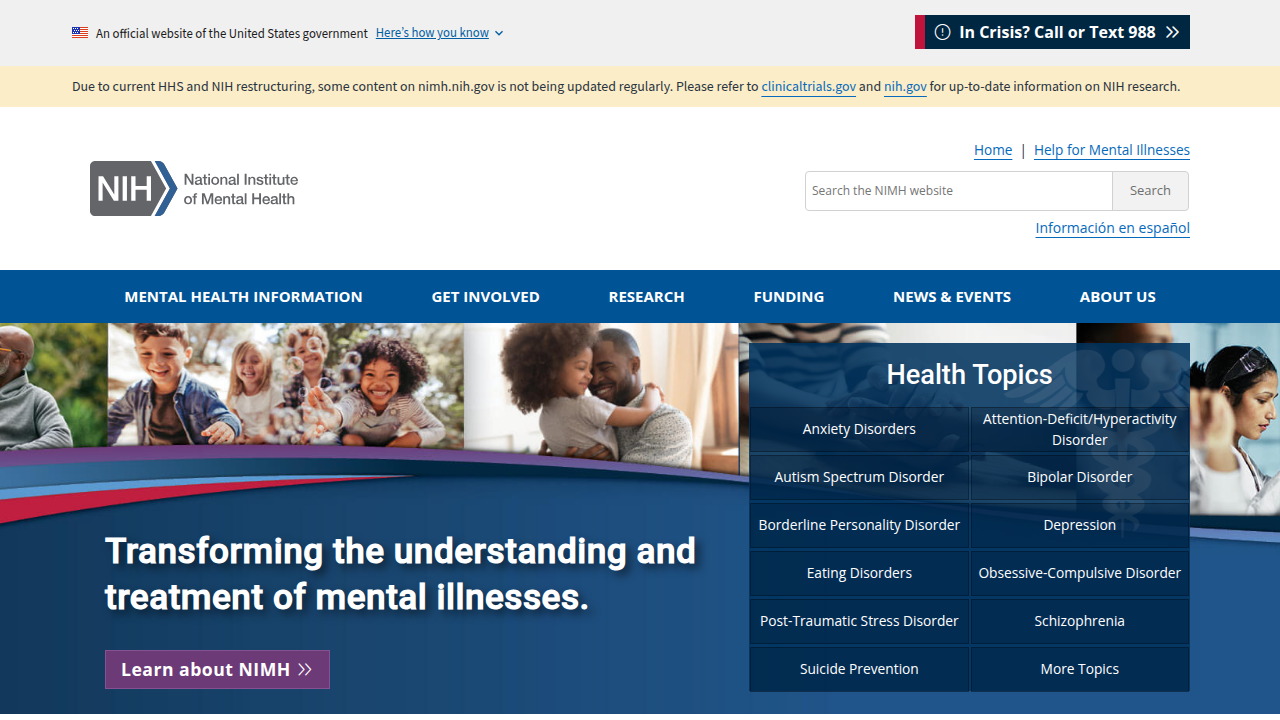
That means millions of people carry this same weight into their relationships.
The Hidden Cost
Relationship anxiety does not stay in your head. It leaks into real life. You might start arguments over small things because underlying fear needs an outlet. You might stop trusting your own judgment and second-guess every decision. Over time, this pattern can wear down the emotional safety that makes a relationship feel good.
The good news is that recognizing these signs is actually a powerful first step. Once you see the pattern, you can begin to change it. A skilled therapist can help you understand where your anxiety comes from and give you tools to quiet it.
If you want to learn more about how therapy can help you spot these hidden patterns, check out this resource on behavioral health counseling for anxiety. It walks through how counseling helps you build real coping skills that stick.
Understanding relationship anxiety is not about blaming yourself. It is about seeing clearly so you can choose a different path forward.
The Role of a Therapist: What Sets Effective Therapy Apart
So you have recognized the pattern. You know your relationship anxiety is real and it is hurting your bond. The next question is where to turn. Not all help is the same. Finding the right relationship issues therapist can make the difference between spinning your wheels and actually breaking free from the cycle.
A Safe Space to Explore What Is Really Going On
A good therapist does not just hand you a list of tips. They create a space where you can say the things you are afraid to admit out loud. Things like "I am terrified of being abandoned" or "I feel like I am not enough." In that space, there is no judgment. There is only curiosity about what is driving your fear.
This might sound simple, but it is powerful. When you feel safe, your brain can slow down enough to see patterns that were invisible before. You start to notice how your attachment style formed and how it affects the way you react to your partner today.
Therapy That Actually Works
Generic advice like "just communicate better" rarely helps someone with deep relationship anxiety. What does help is therapy that uses proven methods. Two of the most effective approaches are Emotionally Focused Therapy (EFT) and Cognitive Behavioral Therapy (CBT).
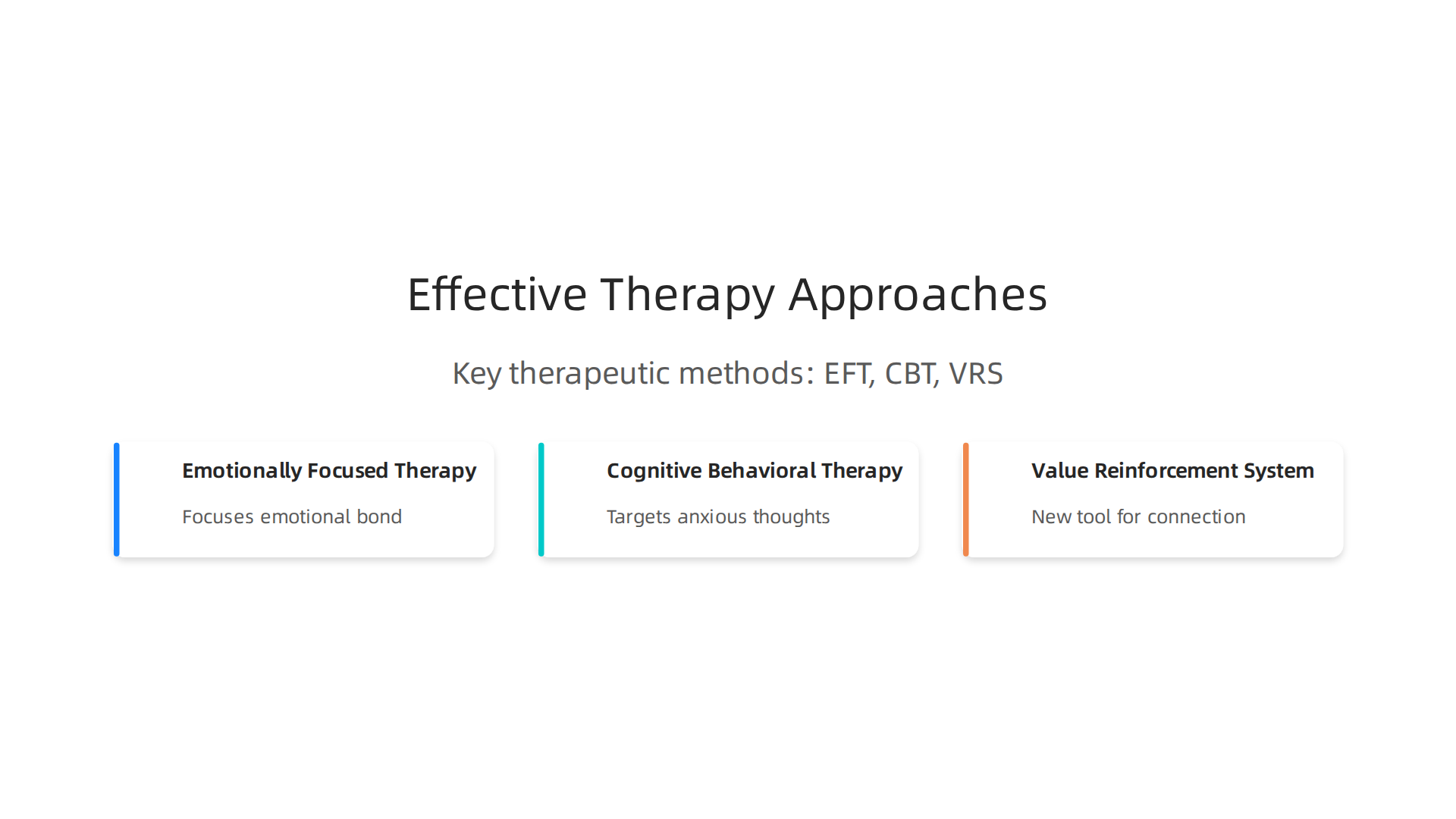
EFT focuses on the emotional bond between partners. It helps couples express their needs and respond to each other with empathy. A comprehensive meta-analysis on the efficacy of emotionally focused couple therapy shows strong evidence that EFT works. In fact, studies find that 70 to 75 percent of couples recover through EFT, and around 90 percent see major improvements.
That is not guesswork. That is real data showing that the right approach changes lives.
CBT, on the other hand, targets the thoughts and beliefs that feed your anxiety. It helps you catch the distorted thinking and replace it with something more balanced. Both methods are backed by solid research. The key is finding a relationship problems therapist trained in one of these targeted approaches.
Specialized Training Sets the Best Therapists Apart
Not every therapist is equipped to handle relationship anxiety. The ones who get the best results have specific training in modalities like EFT or CBT. They know how to guide you through the hard conversations without letting fear take over. They understand attachment science and how early experiences shape adult love.
When you look for a therapist relationship issues expert, ask about their training. Do they specialize in EFT? Have they worked with attachment anxiety before?

The answers matter.
If you want to learn more about how these targeted techniques work in practice, this guide on cognitive therapy for anxiety explains how CBT techniques calm worry and panic in real time. It gives you a clearer picture of what sessions actually look like.
The right therapist does more than listen. They give you a roadmap out of the fear and back into connection.
Evidence‑Based Approaches to Relationship Anxiety
You already know that the right therapist matters. But what really happens inside those sessions that actually breaks the cycle? The best approaches are not guesswork. They are built on decades of research and designed to target the specific wiring of relationship fear.
Cognitive Behavioral Therapy: Rewiring Anxious Thoughts
Cognitive Behavioral Therapy (CBT) is one of the most studied methods in mental health. It focuses on the thoughts that drive your anxiety. Let us say you notice your partner texting less. Your brain might jump to "they are losing interest" or "I did something wrong." CBT helps you stop and ask: Is that thought true? What is the evidence?
You learn to replace the distorted story with something more balanced. Over time, this rewiring becomes automatic. The panic does not disappear overnight, but it loses its grip. For couples dealing with relationship distress, research on cognitive-behavioral couple therapy shows it is effective at reducing conflict and building healthier patterns.
If you want to see how this looks in real sessions, this guide on relationship anxiety therapy walks through the step-by-step process.
Emotionally Focused Therapy: Healing Attachment Wounds
Where CBT works on the thoughts, Emotionally Focused Therapy (EFT) works on the bond itself. EFT was designed specifically for couples. It looks at how your early attachment style shapes the way you react to your partner today.
In EFT sessions, you learn to express your deeper needs instead of the surface anger. You might say "I need to know I matter to you" instead of "you never pay attention to me." Your partner learns to hear that need and respond with care.
The results are striking. Research on Emotionally Focused Therapy success rates shows that 70 to 75 percent of couples recover through this approach. Around 90 percent see major improvements. That is not a small effect. That is real change.
The Value Reinforcement System: A New Tool for Connection
A newer method gaining attention in 2026 is the Value Reinforcement System (VRS). It is not a replacement for therapy. It is a complement. VRS uses a simple tracking and reward system to shape behaviors that strengthen your bond.
You set small goals like giving a genuine compliment each day, offering support without being asked, or practicing active listening. Each time you follow through, the system reinforces that behavior. Over time, your brain starts to associate connection with safety and reward.
A detailed Recognition Systems note explains how these tools shape behavior by rewarding the actions that build trust and intimacy. It is a practical way to practice what you learn in therapy in your real life.
The right relationship issues therapist knows how to blend these approaches for your specific situation. They do not pick one method and force you into it. They match the tool to the problem. That is what sets real progress apart from just talking about it.
How to Find the Right ‘Relationship Issues Therapist’
Maybe you have read about CBT and EFT and you are ready to start. But how do you actually find someone who gets it? The search can feel overwhelming. There are so many titles and credentials. Here is a simple way to cut through the noise.
Look for a specialist
Not every therapist is trained to handle relationship anxiety. A general counselor might help with stress, but you need someone who understands the push and pull of a partnership. The best choice is often a Licensed Marriage and Family Therapist (LMFT). These professionals study relationships and family systems full time. The page on therapists best suited for marriage counseling explains how LMFTs are trained to spot the patterns that keep couples stuck.
Check credentials and read reviews
You want a therapist who is licensed in your state. Look for LMFT, LPC, or LCSW after their name. A master’s degree is the minimum. Some hold a PhD or a PsyD. Do not be shy about reading their online profile. Many therapists list their specialties, years of experience, and client reviews. The guide to therapist credentials explains what each title means so you know exactly what you are getting.
Do a phone consultation
A 15 minute phone call tells you more than a bio ever can. Ask direct questions. What experience do you have with relationship anxiety? What therapy approaches do you use? Do you work with couples, individuals, or both? Notice how they make you feel. Do they sound calm and patient? Do they answer clearly? Trust your gut here. If the conversation feels rushed or cold, keep looking.
Finding the right person takes a little effort, but it saves you time and heartache in the long run. A skilled therapist can guide you through the exact patterns that trigger your fear and help you build a secure bond. For a deeper look at what that process looks like, explore the steps in relationship anxiety therapy that helps you feel secure.
What to Expect in Therapy Sessions
So you found a relationship issues therapist who seems like a good fit. Now what? Walking into that first appointment can feel scary. But knowing what happens next makes it easier.
The first few sessions are all about discovery
Your therapist will spend the first one or two meetings getting to know you. They will ask about your background, your relationship history, and what brought you in.

This is called an assessment. It helps the therapist understand your patterns and goals. Most couples therapy sessions start with gathering information about both partners. The guide on what to expect at your first couples therapy session explains this process in detail.
You will also talk about what you want to change. Maybe you want to stop fighting about small things. Maybe you want to feel closer again. Setting clear goals early keeps the work focused. By the end of the first session, you should have a rough roadmap.
Ongoing work goes deeper
After the assessment, the real work begins. A good relationship problems therapist will help you explore the attachment styles that drive your anxiety. You will practice new ways to talk without blame. You will learn to listen without getting defensive. Many therapists use techniques like role-play to practice tough conversations in a safe space. The tips for effective couples therapy sessions include setting realistic expectations and practicing outside of sessions.
Between appointments, your therapist might give you homework. This could be a communication exercise, a journal prompt, or a relaxation technique. Homework helps you build skills in real life, not just in the therapy room. Over time, you will start to face the fears that trigger your relationship anxiety, step by step.
Technology can support your progress
Some therapists also encourage using tools to track your moods or behaviors. One example is a behavior tracking platform that was featured in Authority Magazine for helping people reduce anxiety and depression by rewarding healthy habits. These tools can reinforce the work you do in therapy and keep you accountable.
Therapy is a process, not a quick fix. But with the right relationship issues therapist, each session moves you closer to a calmer, more secure bond. For more on how therapy reshapes anxious patterns, check out this guide to cognitive therapy for anxiety techniques that calm worry and panic.
Beyond the Therapist: Self‑Help and Support Systems
Therapy sessions are important, but the work you do between appointments matters just as much. Building skills outside the therapist’s office helps you make faster progress. A relationship issues therapist can guide you, but you also need tools to use on your own.
Self-help strategies strengthen what you learn
Simple practices like mindfulness, journaling, and self-compassion can boost your therapy results. When you take a few minutes each day to notice your feelings without judgment, you train your brain to stay calmer during hard moments. Writing down your thoughts helps you spot patterns you might miss otherwise. Self-compassion means treating yourself with the same kindness you would offer a friend. These habits reinforce what your relationship problems therapist teaches you. The complete therapy for relationship issues guide from a couples therapist explains how these practices fit into a bigger plan.
Support groups and online communities offer connection
You are not alone in this. Many people dealing with relationship anxiety find comfort in talking with others who get it. Online forums, local support groups, or even trusted social media communities let you share what works and get encouragement. Hearing someone else describe the same fears you have can make you feel less broken. These spaces also give you ideas you never thought of. For one easy starting point, you can look into the mental health America anxiety screening tool for free peer support options.
Small wins add up with the right system
Tracking positive behaviors can turn small victories into lasting change. Some people use recognition systems to reward themselves for healthy actions, like staying calm during a disagreement or speaking up about a need. This builds momentum and keeps you motivated. The field note on recognition systems explains how these tools shape behavior over time.
The more you practice between sessions, the faster your relationship will heal. Your therapist relationship issues work will stick better when you support it with daily habits.
Overcoming Barriers to Seeking Therapy
You know your relationship needs help, so why is it so hard to pick up the phone? That hesitation is completely normal. Many people face real barriers that keep them from reaching out to a relationship issues therapist, even when they desperately want things to improve.
The biggest hurdles are usually cost, stigma, time, and fear of being judged. You might worry that a therapist will blame you for the problems. You might think you simply cannot afford it. Or maybe you feel embarrassed that you need help at all. These feelings are common, but they do not have to stop you from getting the support you deserve.
Good news: the path is easier than you think. Many therapists now offer teletherapy, which lets you meet from the comfort of your own home. No commute. No awkward waiting room. Sliding-scale fees mean you pay based on your income. Some employers even offer assistance programs that cover several free sessions right away. And if you feel confused about what kind of professional you need, a guide to therapist credentials and types can help you understand your options and reduce that uncertainty.
Here is the truth about the stigma: seeking help is a sign of strength, not weakness. It takes real courage to look at your own patterns and ask for guidance. A relationship issues therapist is trained to help you untangle the messy parts without judging you. That is literally their job. They have seen it all before, and nothing you say will shock them.
When you understand what to expect, the fear starts to fade. Learning about how a relationship problems therapist works, what credentials to look for, and what the first session feels like can take the edge off. For a clear picture of what the process looks like, exploring relationship anxiety therapy is a great place to start.
The hardest step is the first one. Once you take it, everything else gets easier. And if cost is your biggest worry right now, looking into free peer support and relief options might be the small first step that builds your confidence to go further.
Summary
This article explains what relationship anxiety is, how it shows up in everyday life, and why it quietly undermines trust and closeness if left unaddressed. It describes how therapists create a safe space to uncover attachment patterns and reviews the most effective, research-backed approaches—Emotionally Focused Therapy (EFT) and Cognitive Behavioral Therapy (CBT)—plus newer tools like the Value Reinforcement System (VRS) that help reinforce healthier habits. You’ll learn practical guidance for finding the right specialist (look for LMFTs or clinicians trained in EFT/CBT), what the first sessions typically cover, and the kinds of homework and tech supports that speed progress. The article also offers realistic ways to handle barriers such as cost, stigma, and time, and recommends self-help practices and peer support to reinforce therapy work between sessions. After reading, you’ll know how to spot relationship anxiety, where to look for qualified help, and what concrete steps to take to rebuild security and calm in your relationship.